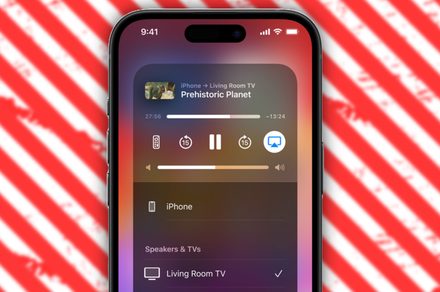
Apple is reportedly preparing one of the more surprising changes to iOS in years: support for third-party wireless casting systems as alternatives to AirPlay. According to a Bloomberg report by Mark Gurman, iOS 27 will allow users in the European Union to choose services like Google Cast as their default option for streaming videos, photos, and audio from iPhones and iPads to TVs, speakers, and other connected devices.
The move is said to be part of Apple’s ongoing efforts to comply with the European Union’s Digital Markets Act (DMA), a sweeping regulation designed to limit the control large tech companies have over their platforms and ecosystems.
For years, AirPlay has been deeply integrated into Apple devices, making it the default method for wirelessly sending media across compatible hardware. Under the upcoming changes, users in the EU may finally get the ability to switch to competing technologies instead of relying entirely on Apple’s own ecosystem.
Apple’s EU battle is getting bigger
The reported AirPlay changes arrive at a tense moment between Apple and European regulators. The company has already been forced to allow third-party app stores, alternative payment systems, and software sideloading in the EU following DMA enforcement.
Now, Apple is accusing the European Commission of deliberately delaying approval of its proposed compliance changes while continuing investigations into the company’s App Store policies. The dispute intensified after Setapp, a third-party app marketplace developed by MacPaw, announced plans to shut down its EU iOS marketplace next month. MacPaw cited “complex business terms” as one reason the model no longer made financial sense.

Apple strongly pushed back against suggestions that its policies caused the shutdown. In a public statement, the company accused the European Commission of using “political delay tactics” and claimed regulators had failed to respond to proposed changes Apple submitted months ago.
At the center of the controversy are the fees Apple still charges third-party app marketplaces operating on iOS. Currently, alternative app stores must pay Apple €0.50 per install after crossing one million downloads. Apple previously proposed replacing that structure with a 5% revenue-sharing system, which some developers considered more manageable.
Why this matters for users
For consumers, the biggest immediate impact may be greater flexibility. If iOS 27 allows default casting alternatives, users could potentially stream media more seamlessly across non-Apple devices without being locked into AirPlay compatibility.
More broadly, the EU’s pressure campaign is slowly reshaping Apple’s famously closed ecosystem. Features that once seemed impossible on iPhones – third-party app stores, sideloading, and now possibly alternative casting systems – are gradually becoming a reality in Europe.

Still, Apple continues arguing that many of these changes create unnecessary complexity and security risks for users while unfairly targeting the company compared to rivals.
Even so, the broader direction appears increasingly clear: regulators want users, developers, and hardware makers to have more control over how Apple devices connect, distribute apps, and share content. And with iOS 27, that shift may become much more visible to everyday users.