Products get worse. Users get stuck.
Layoffs are happening everywhere.
Talented people with decades of experience are being caught up in “restructurings.” In the process, many digital product design teams are parting ways with the people who focus on words.
With every layoff, we’re losing something essential. Writing is core to the design process. Every design team needs writers to make interactions simple, to introduce new features, to add the right personality at the right time.
So what happens when that team member — and that craft — disappears?

Without the right words, users get lost. Interactions are clunky when the phrasing, labeling, and calls to action don’t make sense. The brand personality and voice start to drift, too.
When this happens, some companies will lean on brand and marketing to try to fix things. But it’s not fair to ask those teams to solve usability issues. A great Instagram presence won’t improve the product.
Customer support tickets go up, too. It makes sense. When people can’t figure out your product, they ask for help. Your team may have fewer writers but a lot more confused users. And those users all need help navigating your product. Good UX writing lets the support team handle tougher, more complicated issues instead of explaining the interface.
Or users might just leave altogether.
The frustration is too big, and the app they loved just doesn’t cut it anymore. There are lots of products to choose from, and the bar for quality is higher than ever. People are quick to find new solutions.
It’s especially true for products that rely on deep levels of care. How can we ask a user to trust us with their private data if they can’t trust us with punctuation?
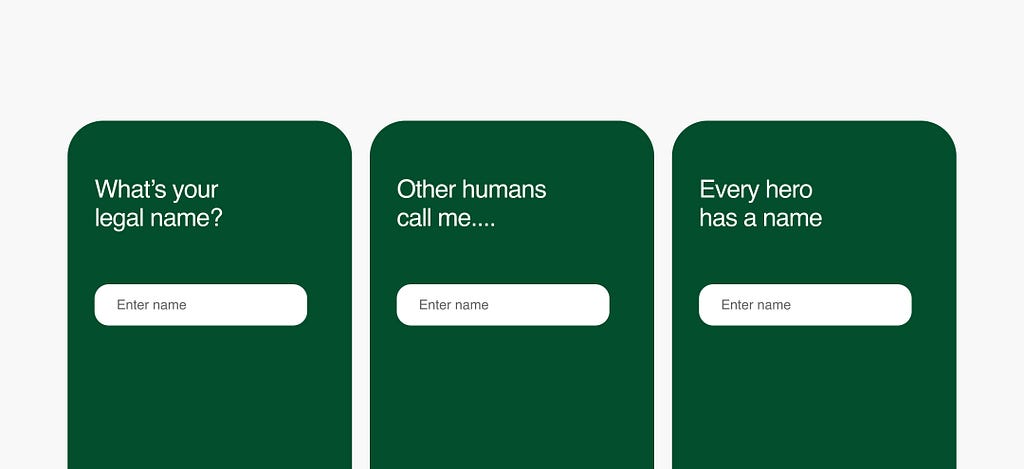
Eliminating the role of writer doesn’t eliminate the need in the product.
The interface will still have words, and someone will need to write them. An incredible team of designers, engineers, and PMs might be spread thin doing amazing work. But someone will be handed another responsibility, even if nobody has the bandwidth.
How can we ask a user to trust us with their private data if they can’t trust us with punctuation?
What’s tricky is that it often takes a writer to see the need — and the solution — in the first place. Most people can tell when an interface isn’t working, but a writer will be able to tell you: it’s the language.
It’s the same with every craft. We can all feel when a movie is badly paced; a professional editor can explain why. Try going to a symphony with a classically trained violinist, or eating a meal with a professional chef. They’ll help you understand the difference between good and perfect.
That’s the magic and mystery of creativity. It takes an expert to explain what’s broken and how it can be fixed.
When writers are gone, users feel it. Even if they can’t give specifics or find a solution. Good UX writing is sometimes invisible. We notice the error state, not the simple interaction that prevented it. Underneath is a writer who made things make sense.

I’ve joined or advised many companies as their first UX writer. Within six months, the companies that prioritize craft quickly shift from “maybe we need a writer” to “how did we ever function without one?”
So my advice to design leaders is always the same: hire the best writer you can, then let them write. Your products will get better. Your users will be happier. And you’ll unlock the whole team.
AI is changing the way we build things and changing it fast. The way I work today looks very different than it did last year. It’s going to keep changing. The products and features I’m shipping look different, too.
But I don’t think AI is replacing us. It’s just changing the way we work and the things we’re able to build together.
I still believe in the power of good words.
And I still believe in people who can write.
If you liked this article, you might enjoy some other things I’ve written about digital product design:
- AI interfaces and the role of good writing
- Writing the onboarding experience
- Every design team needs writers
- Advanced techniques for writing good interfaces
- Writing with respect
- How to write inclusive, accessible digital products
- This is good UX writing
- How to write digital products with personality
When design teams get rid of writers, nobody wins was originally published in UX Collective on Medium, where people are continuing the conversation by highlighting and responding to this story.