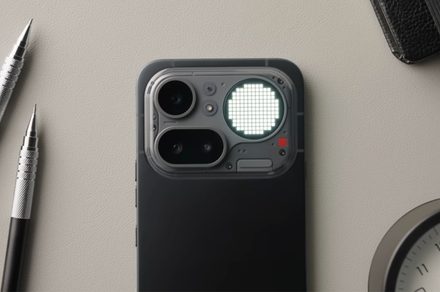
If you have been holding off on a new phone hoping for a better deal, perhaps a discount on a model launched in the first quarter of the year, Nothing’s co-founder Carl Pei has a blunt message for you: stop waiting.
In a post on X, Pei explained how 2026 is reshaping smartphone pricing like never before. The culprit, to no one’s surprise, is a component that now makes up more than 50% of the total hardware bill.

Why is RAM suddenly driving phone prices up?
According to Pei, memory or RAM is now the most expensive hardware component in a smartphone.
A couple of years ago, it was OLED displays, chipsets, or camera modules that competed for the title of the most expensive component in a smartphone. For budget smartphones, it was the high refresh rate AMOLED display, while for flagships, it could be either the chipset or the camera module.
However, in 2026, memory has raced to the top. Pei says memory is now more expensive than the chipset and the display. The cause, as most of us already know, is the global AI boom.
Data centers building AI infrastructure are consuming memory chips at a rate that is squeezing supply for everyone else, including the most popular smartphone brands on the planet.

How has memory pricing surge affected Nothing?
In his own reflective style, Pei pointed to his own company’s experience as the clearest example.
For the Nothing Phone (4a), the company’s recent mid-range smartphone, memory costs doubled between when the device was greenlit and when it launched, and they have doubled again since. This is the kind of price increase that breaks the finances midway through the product cycle.
Pei warns that phone prices will continue going up into the next year, i.e., 2027. “If you’ve been waiting to upgrade a device, the best time was yesterday,” Pei said, underscoring how smartphone prices are going up by the day.
The RAM pricing surge might not normalize this year, which is also why the sale season toward the end of the year won’t come with the discounts people have become used to seeing over the years.
We’ve seen flagships and mid-rangers debuting at higher prices, entry-level smartphones seeing a $100 or higher price increase, and companies doing away with entry-level variants of their smartphones or compact PCs (such as the Mac mini), and it looks like the pricing pressure is here to stay.