
The next nurse monitoring your hospital room may not be in the same building, city, or even the same country. Facing a shortage of nearly 80,000 registered nurses, US hospitals are increasingly turning to remote healthcare workers based in the Philippines to fill the gap.
These workers monitor ICU patients, coordinate care, handle administrative tasks, and call patients directly, all from thousands of miles away, for as little as $5 to $10 an hour compared to over $45 an hour for a US registered nurse (via Rest of World).
How remote nursing from the Philippines actually works
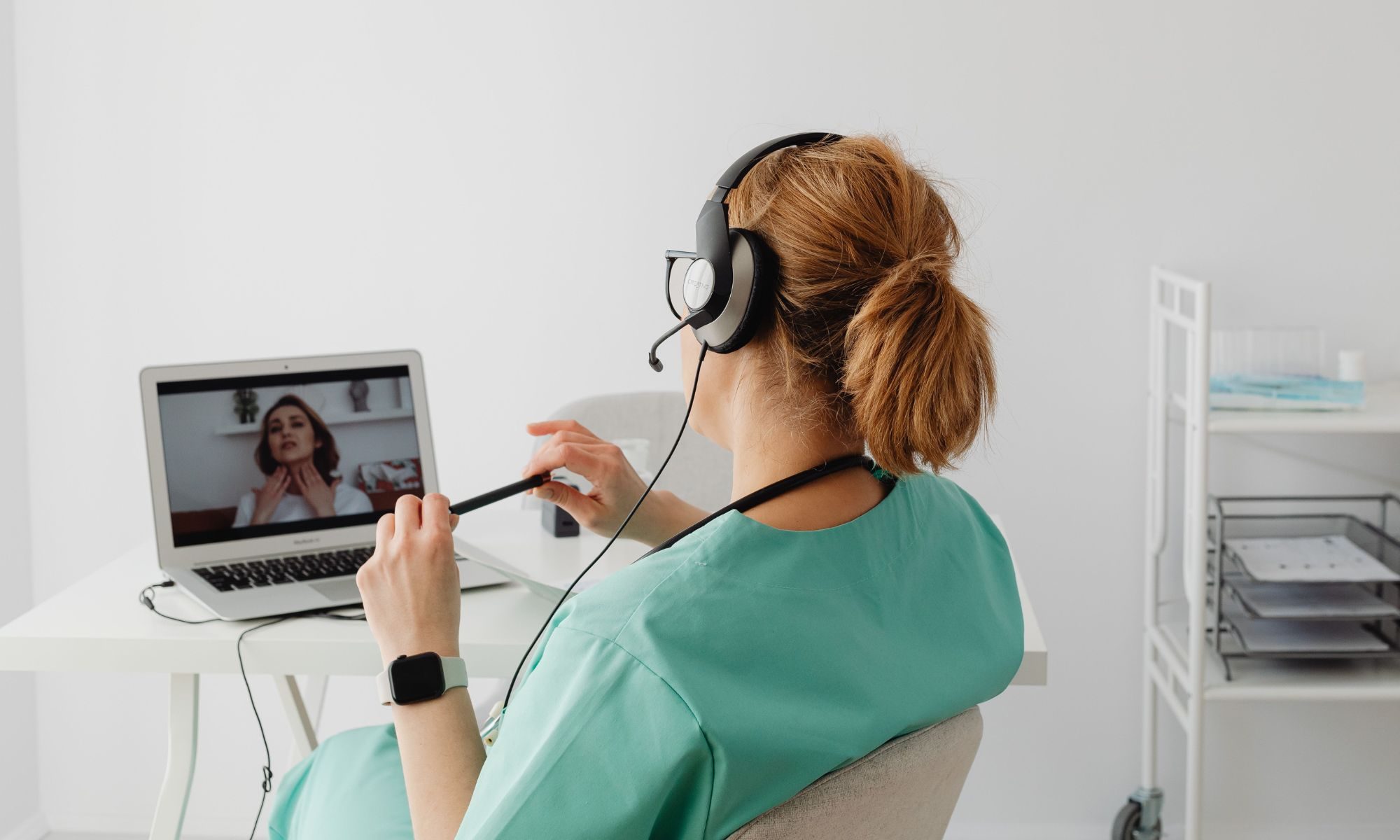
The Philippines has become the quiet backbone of a fast-growing virtual nursing industry. The country’s outsourced health sector already employs around 210,000 full-time workers, generating $4.5 billion in revenue in 2025, with nearly 30% of those workers being nurses or other medical professionals.
US hospitals can save up to 70% in labor costs by tapping this workforce instead of hiring locally. Many of these workers are recruited by US-based staffing agencies and then quietly white-labeled by hospitals as their own staff, meaning patients often have no idea their nurse is working remotely from abroad.
AI tools are increasingly part of the setup too, helping remote nurses monitor vitals, flag alerts, and manage patient data across time zones. AI is also becoming more common on the patient side, with assistants like Anthropic’s Claude helping users understand their health data.
Why remote nursing raises serious patient safety concerns
The cost savings are real, but so are the risks. Workers frequently report being hired without formal interviews, background checks, or structured training programs. Patients rarely know their care is being managed remotely, and there is little regulatory oversight governing how these arrangements are run.

Even though AI has shown real promise in emergency diagnoses, but remote nursing relies on human judgment under conditions that are far from ideal. Meanwhile, the same talent pipeline solving America’s crisis is also deepening one in the Philippines, which already faces a domestic shortfall of around 190,000 health workers.
The US nursing shortage is real and growing, but the solution being built right now raises as many questions as it answers.