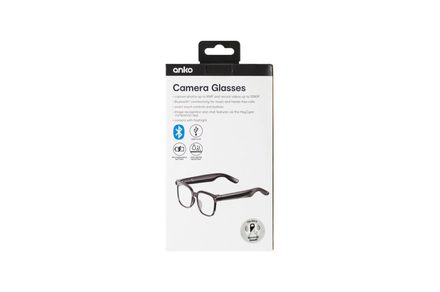
We’ve reached the point where AI-powered smart glasses are no longer just expensive gadgets for early adopters. Now, they’re cheap enough to end up in a shopping cart alongside kitchenware and school supplies. That’s exactly what’s happening in Australia, where Kmart’s new Anko AI Camera Glasses have completely sold out across the country. Priced at just AU$89, the wearable undercuts Meta’s Ray-Ban smart glasses by a huge margin while offering many of the same features, including photo capture, HD video recording, AI assistance, music playback, and hands-free calling.
The rapid sellout suggests there’s real interest in affordable smart glasses. But it has also reignited a conversation that refuses to go away: What happens when wearable cameras become so inexpensive that almost anyone can buy one?
The glasses see more than you think
Unlike Meta’s premium offering, the Anko glasses run on HeyCyan software, a platform that’s already used across numerous low-cost smart glasses sold through online marketplaces. While some users on Reddit describe the experience as noticeably slower than Meta’s software, the core functionality remains remarkably similar. That’s exactly why privacy experts are paying attention. Camera-equipped glasses have been controversial ever since Meta brought the category into the mainstream. While the devices include an LED indicator designed to show when recording is taking place, critics have repeatedly questioned how effective those safeguards really are.
The concern isn’t simply that people can record videos in public. It’s that the technology is becoming increasingly discreet, making it difficult for bystanders to know when they’re being filmed or photographed. Tom Sulston, head of policy at Digital Rights Watch, described camera-equipped smart glasses as a “privacy nightmare,” arguing that existing privacy laws haven’t kept pace with rapidly evolving wearable technology. He also pointed to instances where social media creators have allegedly used similar devices to harass people in public spaces, raising broader concerns about consent and responsible use. Australia’s privacy regulator has acknowledged public concern surrounding the technology and says it’s monitoring developments as adoption grows.
Met’s success has opened the floodgates
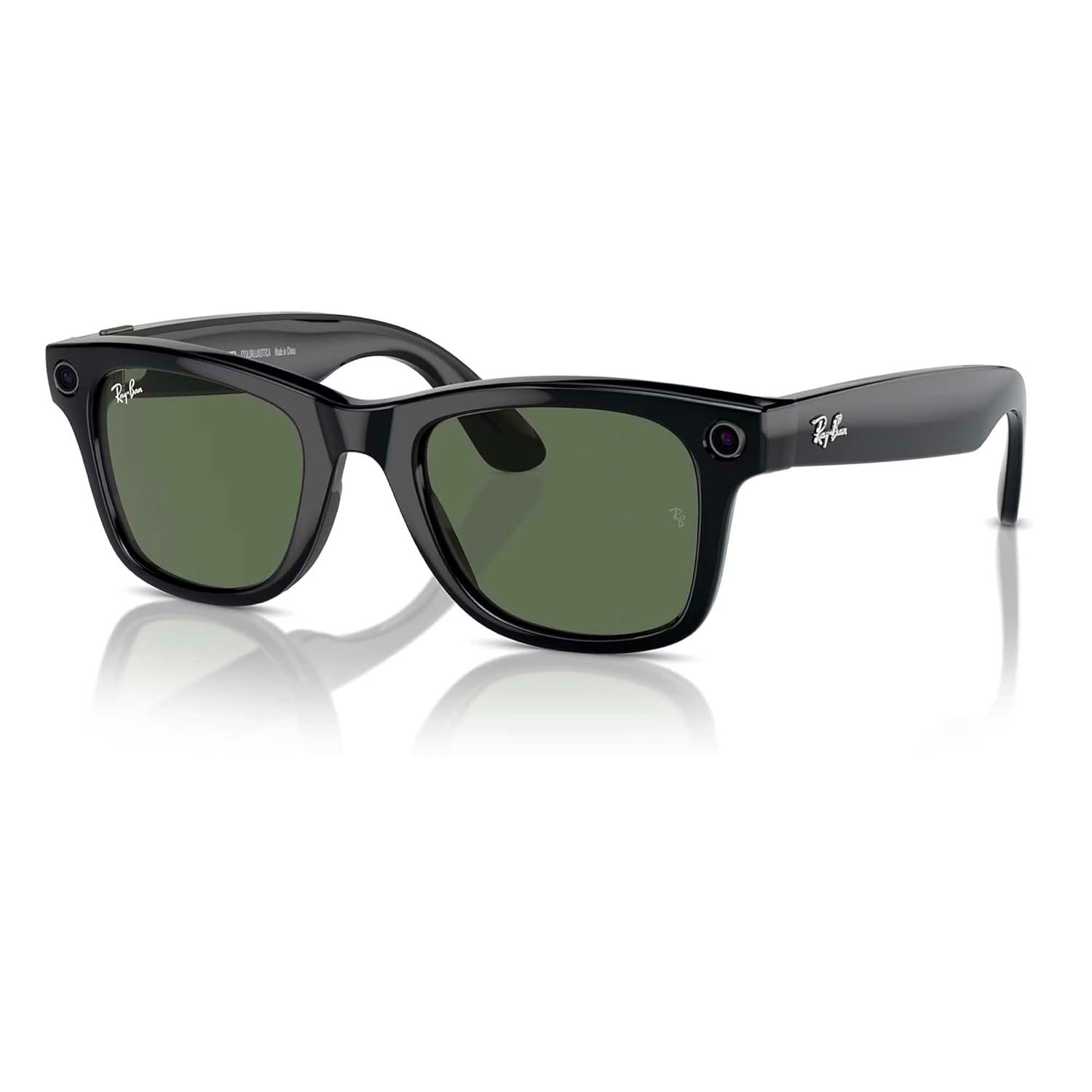
Meta has sold more than 7 million pairs of its Ray-Ban smart glasses worldwide, turning what was once considered a niche product into a growing consumer category. Celebrity marketing campaigns and continuous software updates have only accelerated that momentum. The company has also had to respond to criticism. Recent software changes reportedly prevent recording if the device’s privacy LED is obstructed, and Meta has taken action against videos showing users allegedly harassing strangers while wearing the glasses. Some organizations, including government agencies and conferences, have restricted or banned the devices altogether over security and privacy concerns.
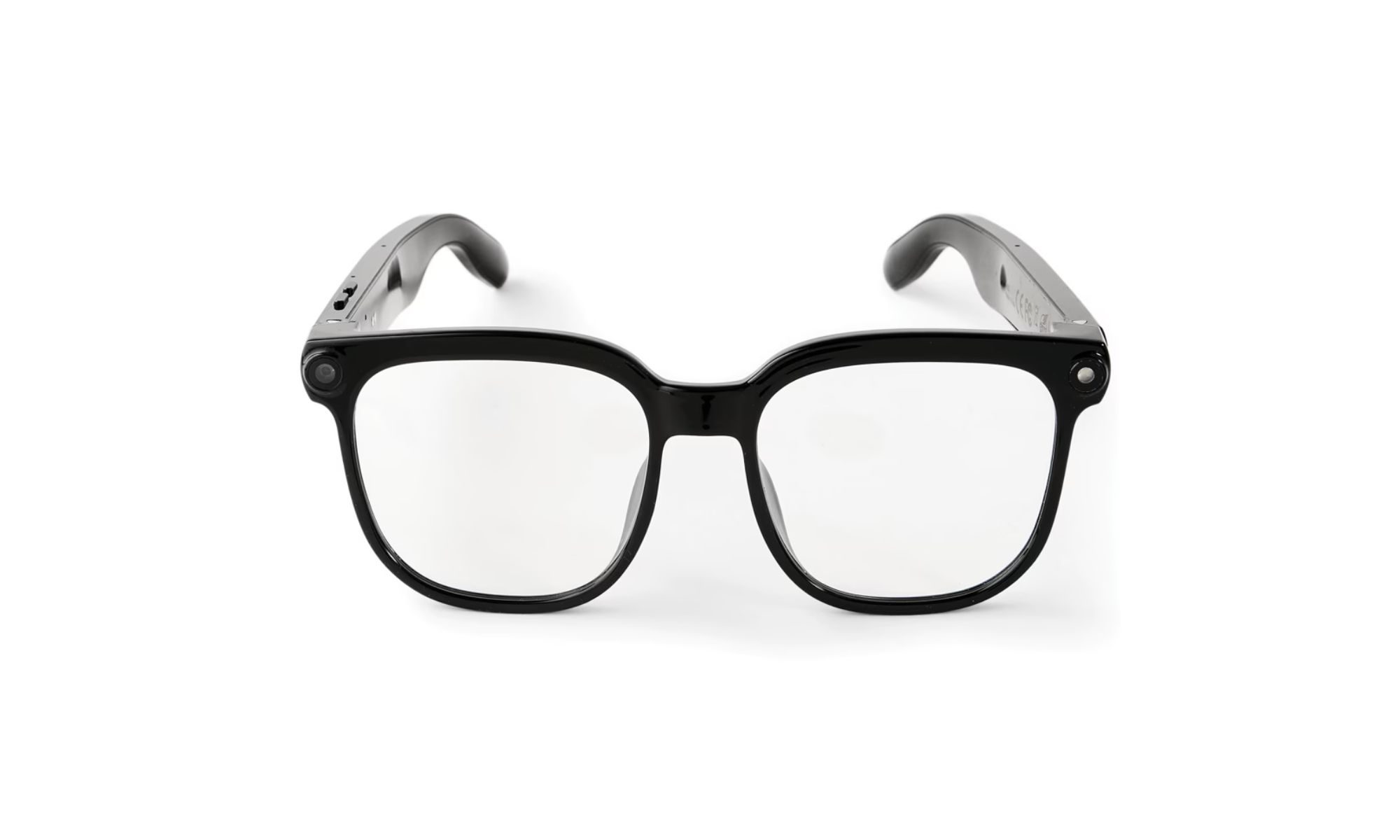
Kmart, meanwhile, says its Anko glasses belong to an increasingly common category of wearable technology and expects customers to use them responsibly and in accordance with local laws. Whether that’s enough to reassure the public remains to be seen. Ironically, the growing backlash isn’t only affecting people being recorded. Even some smart-glasses owners say they’re becoming uncomfortable wearing the devices in public, worried they’ll be judged or confronted simply for having a camera on their face. As AI-powered wearables become cheaper and more accessible, that tension may become just as common as the technology itself.