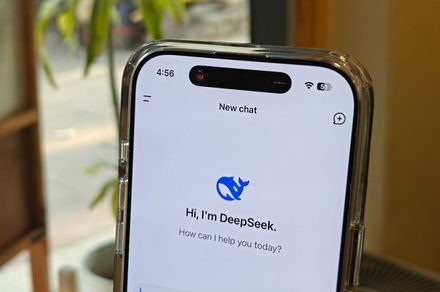
DeepSeek’s R1 helped kickstart global interest in low-cost Chinese AI. This was followed by increasingly capable systems from Alibaba, ByteDance, and Z.ai. Some models can be downloaded, customized, and hosted independently, giving many developers an alternative to paying for access to expensive US platforms.
However, this bargain may soon face a geopolitical lock–and this time, it’s because of China and not the US. Reuters reports that Chinese authorities have held meetings with Alibaba, ByteDance, and Z.ai about potentially restricting overseas access to the country’s most advanced AI systems. Discussions apparently included closed models and open-weight releases, along with technology that has yet to reach the public.
The world could lose one of its cheapest AI alternatives
Chinese models have gained ground internationally through a combination of strong performance and aggressive pricing. Z.ai is a great example of this, with its GLM-5.2 leading American systems in capability while costing considerably less. Meanwhile, Alibaba’s Qwen family has become one of China’s most widely used model lineups.
So restrictions on future releases could remove an important source of competition. Companies currently using Chinese APIs or planning to self-host open-weight models might have to turn to more expensive alternatives from OpenAI, Google, Anthropic, or other providers.
It is worth noting that this hasn’t been confirmed yet, as Beijing hasn’t settled on this matter yet. Authorities could limit API access, block overseas model-weight downloads, introduce licensing requirements, or reserve selected frontier systems for domestic use. Reuters was unable to determine how any final controls would operate.
Models already downloaded would be difficult to pull back. The greater uncertainty surrounds the next generation of systems that developers currently assume will receive global releases.
China is borrowing from Washington’s playbook
With advanced models being treated more like chips and strategic assets, we can see the shift in how governments are viewing AI. The US recently restricted foreign access to Anthropic’s most advanced Fable and Mythos models over national security concerns. Some of these restrictions on the consumer-focused Fable system were later relaxed after new safeguards arrived, while access to the cybersecurity-oriented Mythos remains limited to selected trusted American organizations.
Chinese officials are reportedly considering tough penalties for leaks or theft of proprietary AI technology. Discussions also covered possible limits on who can finance domestic AI startups, tightening Beijing’s control over both the models and the companies building them.