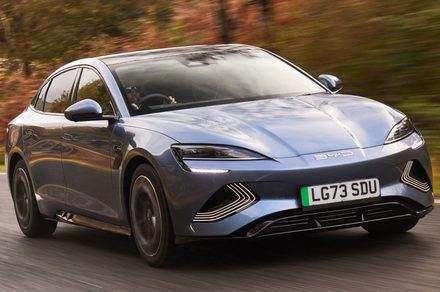
BYD has made no secret of its ambition to build more of its own technology. That includes everything from batteries to electric motors, and now even the AI chips that power advanced driver assistance systems. But despite all that momentum, the company’s latest move suggests it’s not ready to cut ties with outside chipmakers just yet. Instead, BYD appears to be taking the practical route.
A smart detour before the destination
The latest reports out of China indicate that the BYD Seal is currently testing Horizon Robotics’ upcoming Super Drive 2.0 platform. BYD Chairman Wang Chuanfu was reportedly seen evaluating the system alongside Horizon Robotics CEO Yu Kai, hinting that the software is nearing a more mature stage of development.
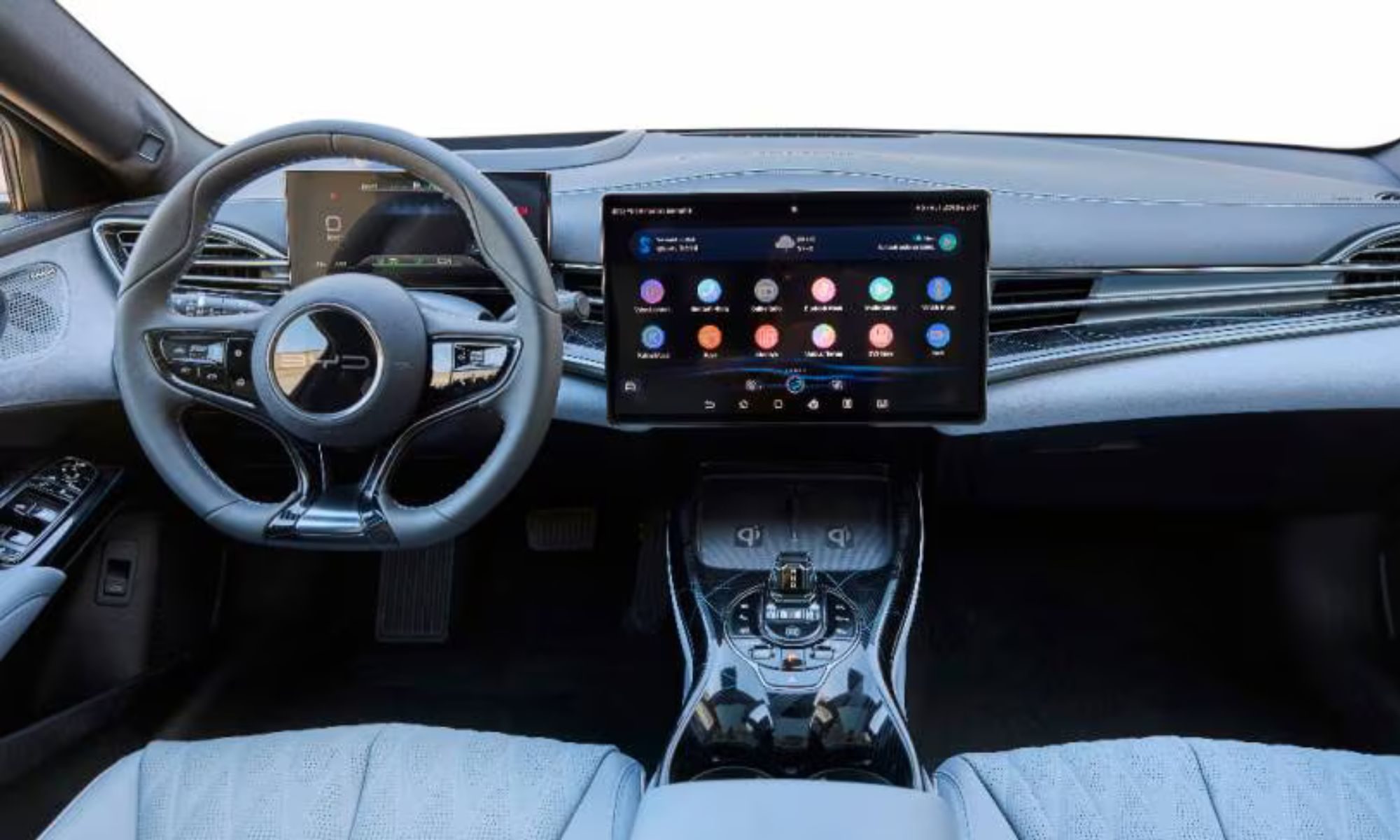
The focus isn’t simply on adding new driving features. Engineers are reportedly refining how the vehicle’s cameras communicate with its central computing hardware, squeezing better performance from the existing architecture before an entirely new generation of hardware arrives. That matters because BYD has already shown off its own custom AI processor — the 4nm Xuanji A3 — which promises an impressive 700 TOPS of computing performance. Many expected that chip to quickly replace third-party suppliers across the lineup. That isn’t happening, at least not anytime soon.
Sometimes waiting is the smarter upgrade
According to recent industry reports, BYD’s in-house silicon won’t reach production until 2027, beginning with premium Denza models. Until then, Horizon Robotics and other chip suppliers will continue powering many of the company’s high-volume vehicles. There’s a practical reason behind that decision: money.
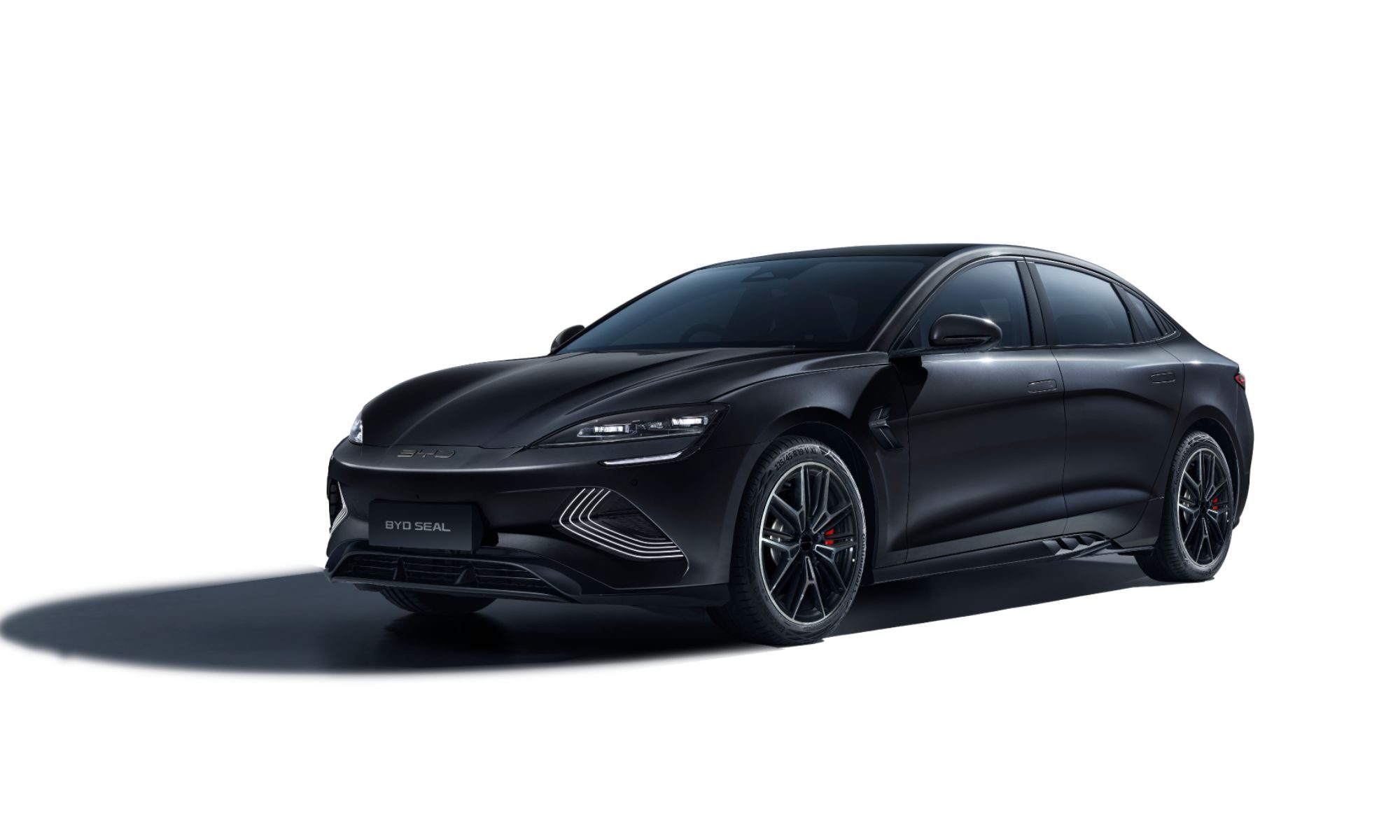
Using established third-party processors reportedly cuts manufacturing costs by roughly 1,500 to 4,000 yuan per vehicle. When you’re building cars at BYD’s scale, those savings add up remarkably fast. Lower hardware costs also make it easier to bring advanced driver assistance features to more affordable models, rather than reserving them exclusively for flagship EVs. There’s another advantage, too. Horizon has already supplied millions of processors for BYD’s driver-assistance program, giving the automaker a mature supply chain ready to scale without disrupting production.
The broader chip race is still very much alive. NVIDIA continues to dominate the automotive AI market, while Horizon Robotics has steadily expanded its footprint. BYD clearly wants to eventually join that conversation with silicon of its own. For now, though, the company seems more interested in getting capable software into customers’ hands than in rushing to prove it can do everything on its own. And for buyers, that’s probably the more sensible strategy.