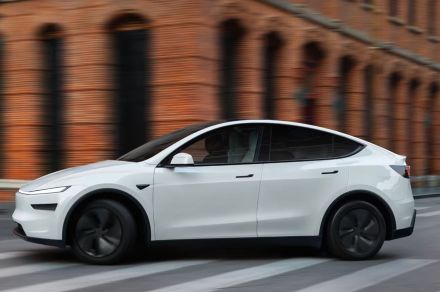
Tesla is making steady progress toward letting owners turn their idle Model Y vehicles into a source of passive income. The automaker provided a concrete timeline during its latest earnings call and stated that the first customer cars could join its Robotaxi network in the second quarter of 2027.
FSD V15 will bring unsupervised driving to customer cars
During Tesla’s latest earnings call, Ashok Elluswamy, the company’s AI chief, said that the self-driving software powering its Cybercab and Model Y robotaxis is essentially the same. Tesla plans to bring that software to customer vehicles through its upcoming Full Self-Driving (FSD) V15 update.
The update could mark a significant shift for Model Y owners. So far, Tesla has reserved unsupervised driving for its own Robotaxi fleet, but FSD V15 will extend that capability to privately owned vehicles. However, there are some noteworthy limitations.
Customer cars will need to be integrated into Tesla’s fleet management systems and operate within designated geofenced areas where its Robotaxi service is available. That means owners won’t necessarily be able to send their cars out to earn money anywhere they choose. Tesla has yet to detail how much owners could earn, how insurance would work, or what requirements their vehicles must meet before joining the network.
Tesla is taking a different approach with Cybercab
Tesla is also preparing to expand its purpose-built Cybercab fleet. Lars Moravy, the company’s VP of manufacturing, said Tesla wants to begin delivering the pedal-less vehicle to customers by the end of 2026. However, the company plans to start small and learn from the initial rollout before expanding availability.
CEO Elon Musk has also suggested that Cybercab will primarly operate as a Tesla-owned ride-hailing service than a vehicle customers buy for personal use. If Tesla meets its latest targets, Model Y owners could eventually make money rom their cars without having to drive passengers themselves. However, regulatory approval, insurance requirements, and the practical challenges of operating autonomous vehicles remain hurdles Tesla will need to address.
RELATED COVERAGE: