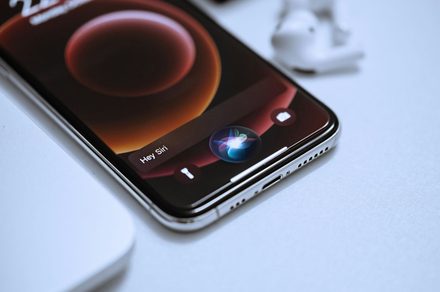
Apple is reportedly preparing one of the most significant changes to Siri in years, with plans to open its voice assistant to third-party AI services as part of the upcoming iOS 27 update. The move signals a major shift in Apple’s artificial intelligence strategy, transforming Siri from a closed assistant into a broader AI platform that can integrate with competing technologies.
A Shift Toward An Open AI Ecosystem
According to a Bloomberg report by Gurman, Apple intends to allow Siri to route user queries to external AI assistants beyond its current ChatGPT integration, potentially including services like Google’s Gemini or Anthropic’s Claude.
This would enable users to choose which AI system handles specific requests, effectively turning Siri into a central interface rather than a single, self-contained assistant. Apple is also said to be developing tools that allow AI chatbot apps downloaded from the App Store to integrate directly into Siri and other parts of its “Apple Intelligence” ecosystem.
The update is expected to be introduced alongside iOS 27, likely to be showcased at Apple’s Worldwide Developers Conference (WWDC) later this year.
Why Apple Is Making This Move
The decision reflects growing pressure on Apple to keep pace with rapid advancements in AI. While Siri has been a core part of Apple’s ecosystem since 2011, it has struggled to match the capabilities of newer AI assistants powered by large language models.

By opening Siri to third-party AI services, Apple is effectively acknowledging that it may not need to build the best AI model itself—as long as it controls the user interface and platform experience.
This approach mirrors Apple’s broader strategy with the App Store, where it provides the ecosystem while allowing third-party developers to deliver functionality. In this case, Siri could become the gateway through which users access multiple AI tools seamlessly.
What It Means For Users
For iPhone users, the change could significantly expand what Siri is capable of. Instead of being limited to Apple’s built-in features or a single AI partner, users may be able to tap into different AI systems depending on their needs.
For example, one assistant could handle creative writing tasks, while another focuses on search or productivity. This flexibility could lead to more accurate responses, better personalization, and a more powerful overall experience.
It also simplifies access. Rather than switching between multiple apps, users could rely on Siri as a unified interface for interacting with various AI tools.
Industry Impact And Competitive Landscape
Apple’s move could reshape the competitive dynamics of the AI assistant market. By opening its platform, the company may encourage greater innovation among AI providers, who will now compete for visibility and usage within the iOS ecosystem.
At the same time, this strategy positions Apple differently from rivals like Google and Microsoft, which are heavily investing in their own proprietary AI models. Instead of competing directly on model performance, Apple appears to be focusing on integration, privacy, and user experience.
This could also create new revenue opportunities, as Apple may take a share of subscriptions or services offered through integrated AI apps.
What Comes Next
The changes are expected to debut with iOS 27, likely during WWDC, where Apple is also rumored to showcase a broader overhaul of Siri, including a more conversational interface and deeper system integration. Future updates could expand these capabilities further, potentially allowing Siri to act as a fully-fledged AI agent capable of handling complex, multi-step tasks across apps and services.

However, much will depend on execution. Apple has faced delays and criticism over its AI rollout in recent years, and the success of this strategy will hinge on how smoothly these integrations work in practice.
The Bigger Picture
Apple’s plan to open Siri marks a turning point in how digital assistants are evolving. Rather than being standalone tools, they are becoming platforms that connect users to a wider AI ecosystem.
For users, this could mean more choice, better performance, and a smarter everyday experience. For Apple, it represents a strategic bet—that controlling the interface may matter more than owning the intelligence behind it.