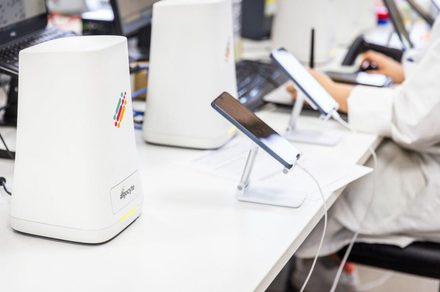
Algocyte’s Proxima is designed to run blood-count tests from a small finger-prick sample and send the results to a clinician in about 20 minutes. For patients who need frequent monitoring, that could mean fewer trips to a clinic or laboratory.
The device has also moved beyond the concept stage. Proxima carries UK conformity credentials, while Algocyte operates under a certified medical-device quality system. Those steps give the project more weight than a prototype shown at a launch event.
What Proxima actually does
Proxima is an ultra-portable hematology analyzer built around a small blood sample. Algocyte says it can measure markers used in a partial or full blood count, including red and white blood cells, platelets, and hemoglobin.
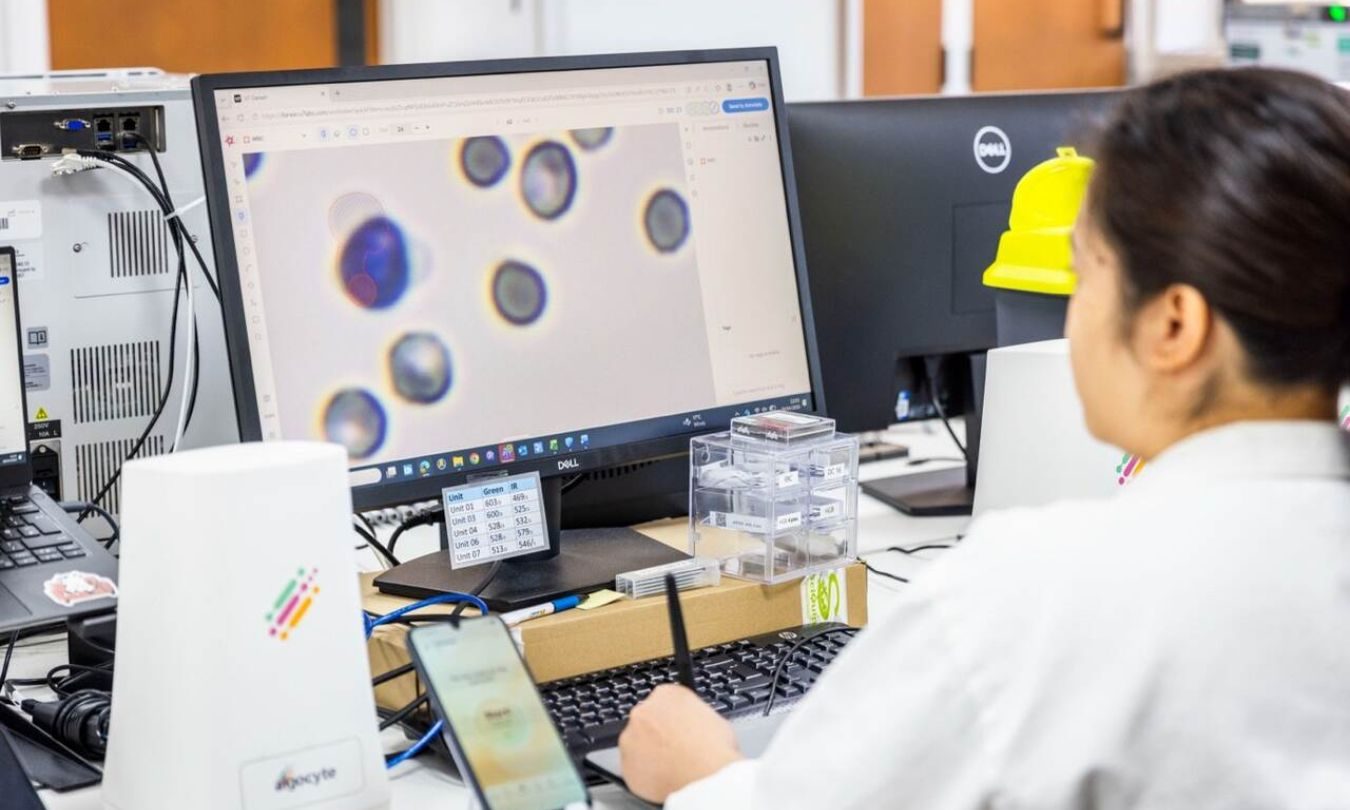
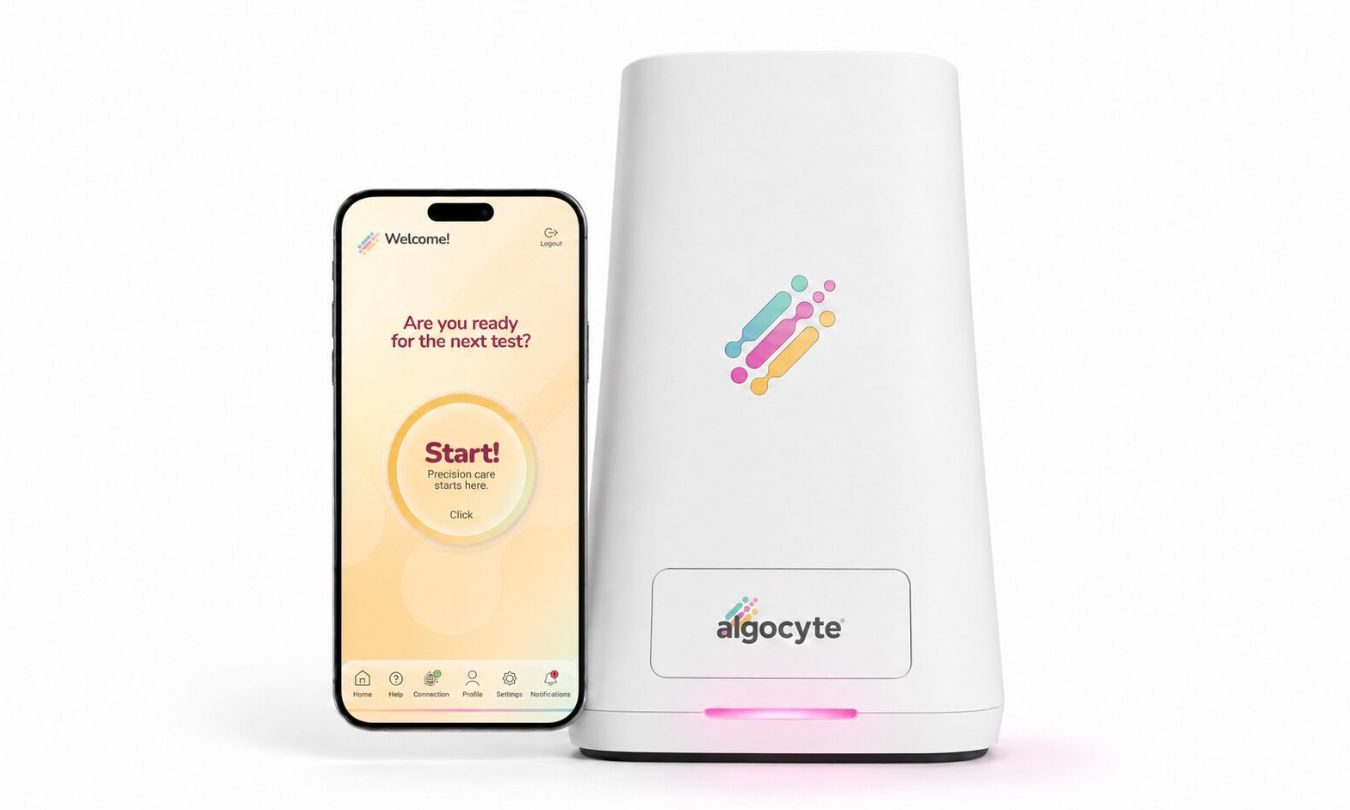
A smartphone app controls the device. Two sensing systems capture information from the sample, then AI converts those signals into biological measurements.
The results are sent to a clinician dashboard rather than presented as a diagnosis for patients to interpret alone. Algocyte is initially targeting supervised use by healthcare workers, with home monitoring positioned as a longer-term goal.
What the early clearance means
Proxima is UKCA marked as a General IVD, while further conformity work remains underway for additional uses. Algocyte also holds ISO 13485 certification for its medical-device quality system.
These credentials show that formal design and manufacturing processes are in place. They don’t independently prove how closely Proxima’s readings match conventional laboratory equipment.
Finger-prick testing still draws extra scrutiny after Theranos, though Proxima’s current claim is much narrower. It’s being presented as a supervised hematology tool rather than a replacement for an entire clinical laboratory.
What still needs to be shown
The clearest next step is public performance data comparing Proxima with established reference analyzers across every claimed marker. That evidence should also show how often tests fail or need to be repeated.
Real-world use will matter just as much. Finger-prick collection can vary, and a device intended for home monitoring has to remain dependable when samples aren’t handled by laboratory staff.
Proxima has cleared several meaningful early hurdles and is making a restrained claim. Its next milestone should be equally concrete, with published clinical evidence that doctors and patients can examine for themselves.