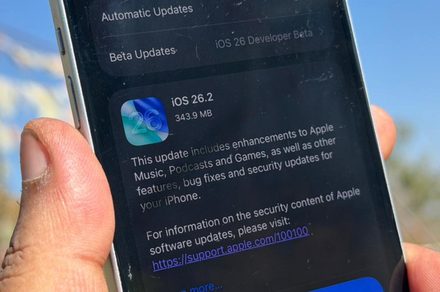
Apple just dropped iOS 26.2, and while most people are focused on the flashy updates to the system apps, there is a quieter change tucked away that might actually make a bigger difference in your daily life. Alongside the usual tweaks to Reminders, Podcasts, and Apple Music, this update adds a new option that lets your iPhone uses its own screen to scream for your attention.
What happened: iOS 26.2 adds a new way to see notifications
The update is live right now for supported iPhones, bringing a mixed bag of productivity and media upgrades. You get things like “Urgent” nudges in Reminders, AI writing your Podcast summaries, a cleaner News layout, and finally, offline lyrics in Apple Music.

But buried deep in the menus is a new accessibility tool. For years, iOS has let you flash the camera’s LED light when a notification hits – a feature originally designed for people who are hard of hearing. With iOS 26.2, Apple is expanding that idea by letting you flash the actual screen, too.
You can find it by digging into Settings > Accessibility > Audio & Visual. Inside the “Flash for Alerts” section, there is a new toggle specifically for Screen. You can even turn on both the back LED and the front screen at the same time if you really want to make sure you see it.
Basically, when a text or alert comes in, your display pulses with bright light for a split second before going back to normal. If you leave your phone face-up on a desk and don’t use the always-on display, it makes new notifications almost impossible to ignore.

Why it matters: who this feature is really for, and what’s next
This might sound like a tiny tweak, but it solves a very real annoyance: missing notifications when your phone is on silent or the room is just too loud. While Apple Watch users get a tap on the wrist, everyone else relies on seeing or hearing the phone. This gives you a massive visual cue that cuts through the noise.
From an accessibility standpoint, it’s a solid win. It gives users with hearing impairments or attention challenges a clear way to stay in the loop without needing sound.
For the rest of us, it’s just another layer of customization. Some people might prefer the subtle flash of the LED on the back, while others might need the full-frontal screen flash to catch their eye. Having the choice lets you tailor the phone to your specific habits.
Looking ahead, this fits Apple’s recent vibe of polishing the basics rather than just shipping gimmicks. By giving us granular control over how our phones interrupt us, iOS is slowly getting better at balancing the need to stay connected with the need to avoid distraction.