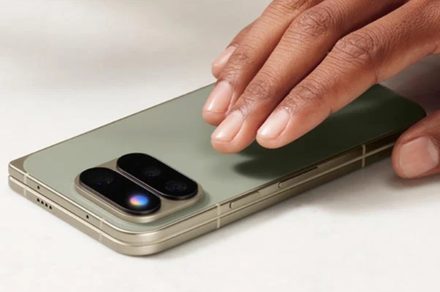
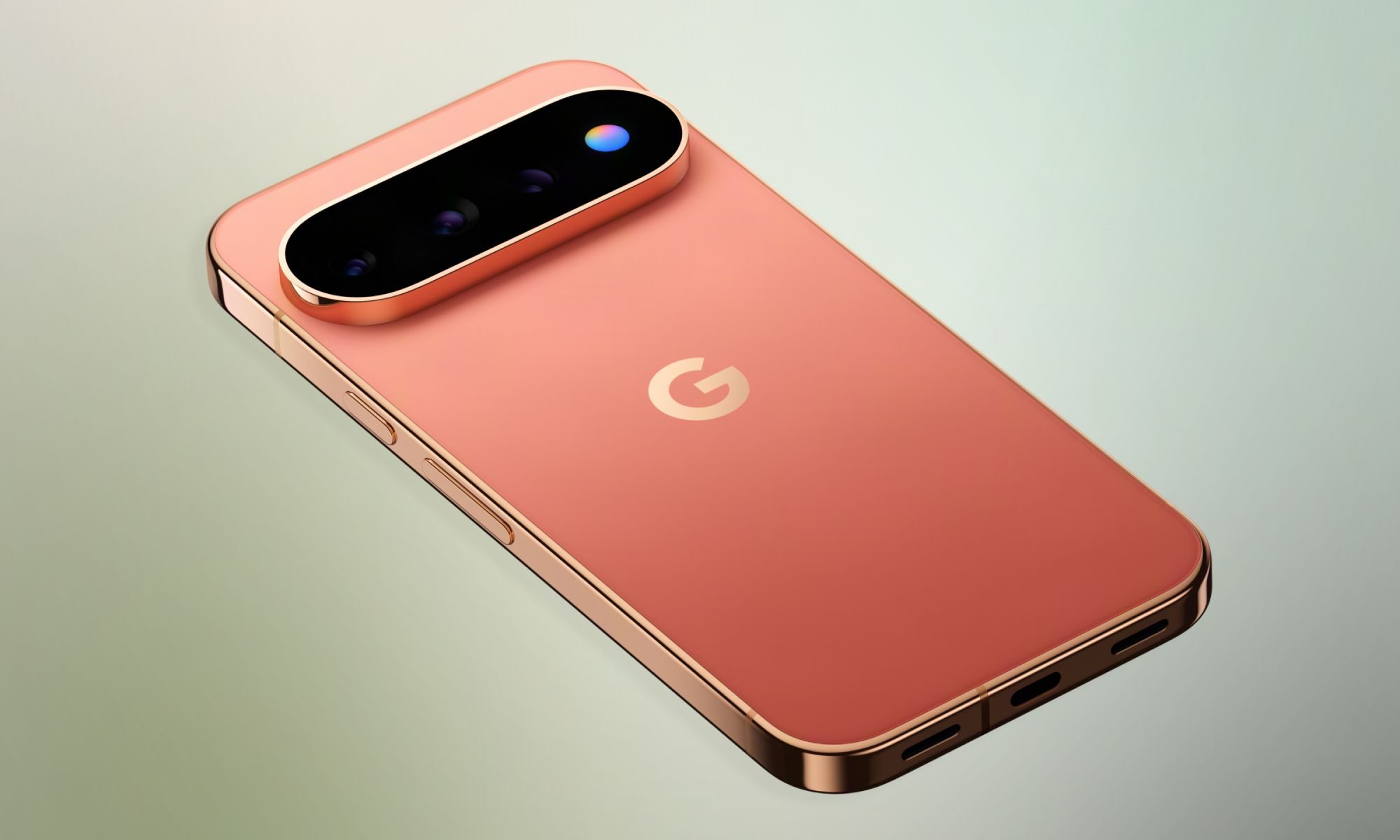
During the recent Pixel 11 announcement, Google showcased its new HiLight feature. We had our initial skepticism about it, but what caught my eye more was the temperature sensor being replaced. This was a feature barely anyone remembers (or uses), though it was something unique to the Pixels at the time.
The hardware eventually became capable of measuring body temperature, and I can appreciate the engineering behind squeezing something like this into a smartphone’s body. Even then, I rarely had a reason to reach for it in day-to-day use. While I wasn’t immediately drawn to the concept behind its replacement, I don’t mind making this trade at all.
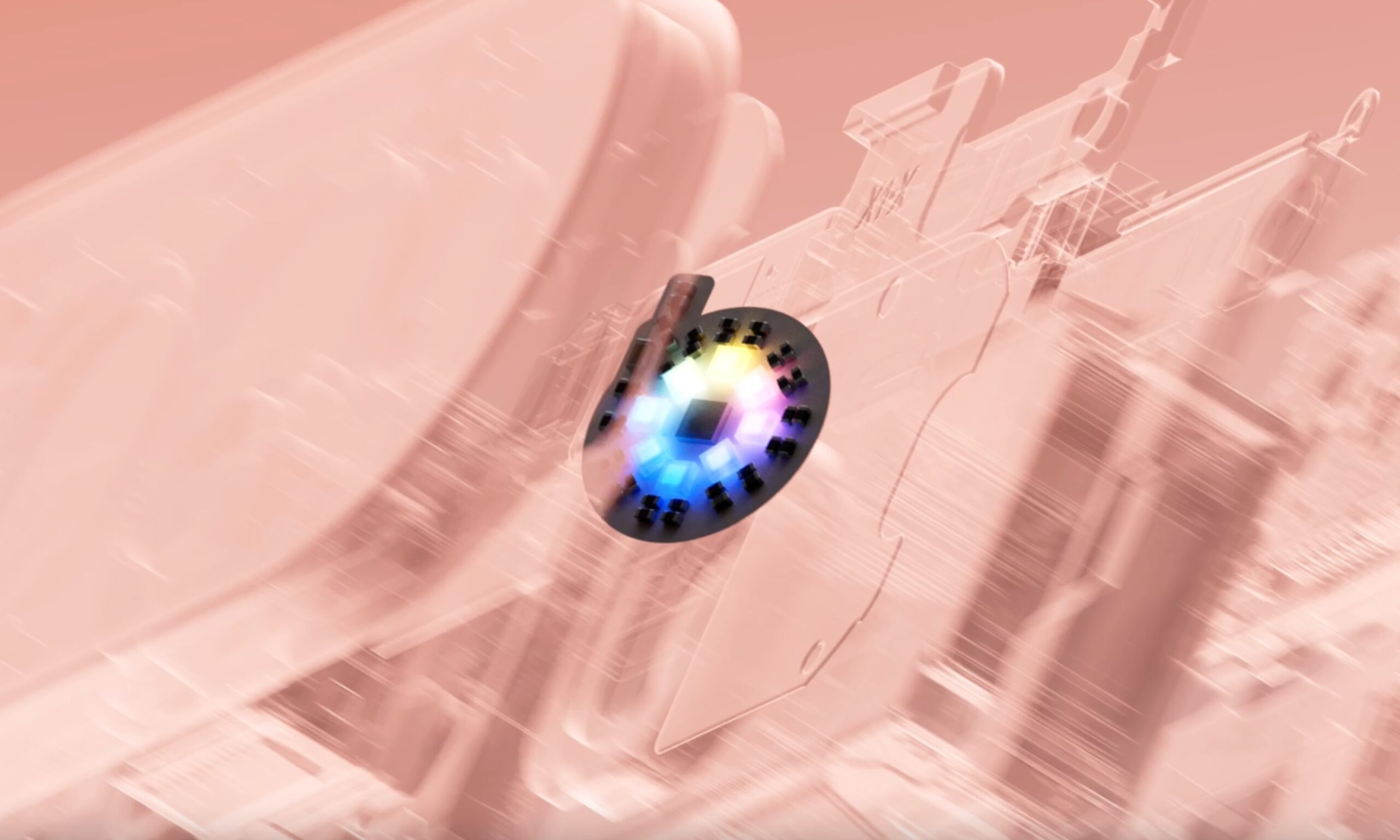
HiLight is an RGB lighting system that works while the phone is sitting face-down. Assign a color to one of your favorite contacts, and the Pixel can glow when that person calls through the Phone app or WhatsApp. Ask Gemini something, and the light changes patterns to show when the assistant is paying attention. The tech is pretty simple, though the idea has a surprising amount of depth when you really look into it.
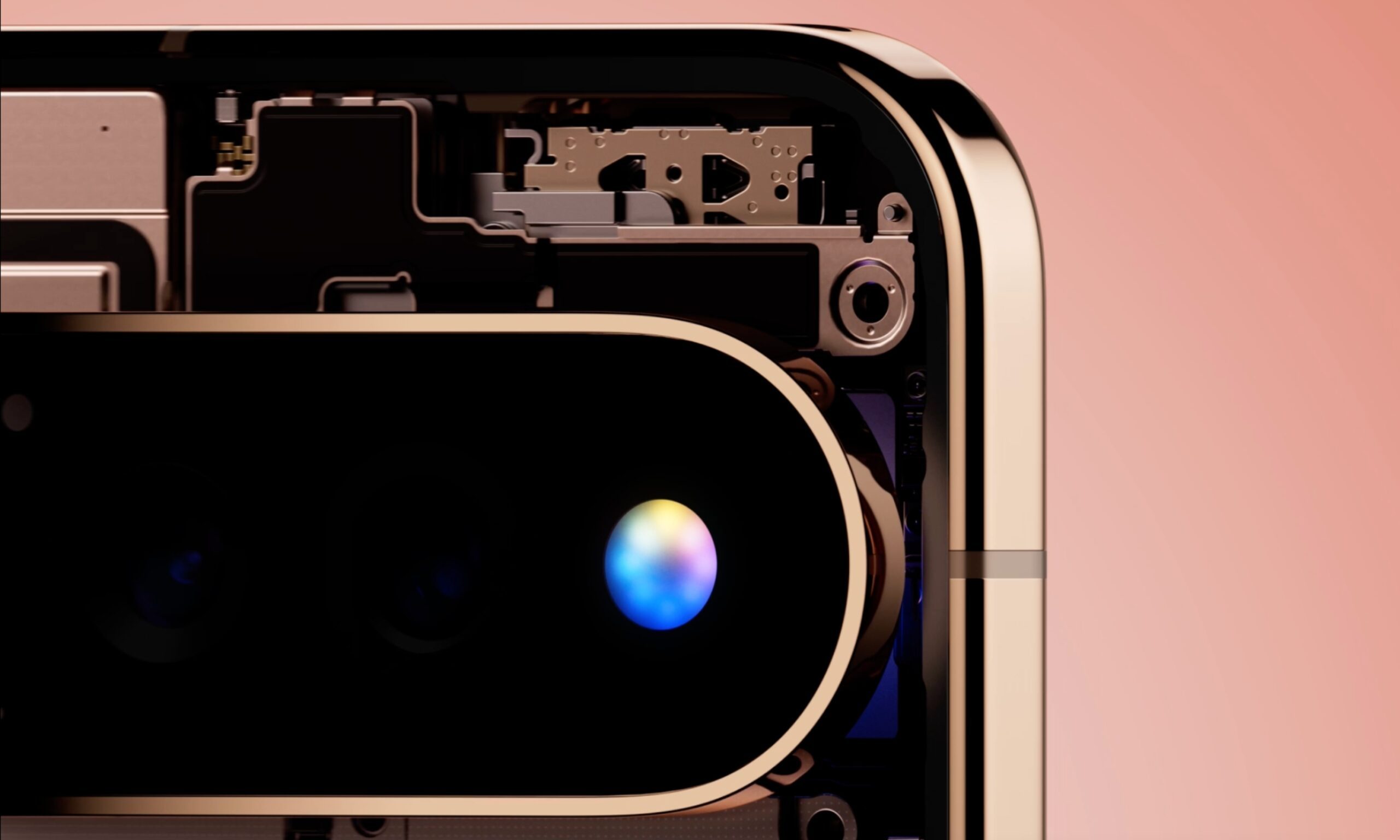
How Google’s new attempt finds a better use for that circle
As per Google’s own description, HiLight is a feature designed to help users “stay present” by minimizing distractions. Timely information arrives through colored light, leaving the display out of the interaction altogether. My phone sitting face-down on my desk usually means I’m trying to concentrate. Pixel’s existing Flip to Shhh feature makes this even more useful by activating Do Not Disturb when you place the Pixel screen-down. HiLight adds a carefully selected window back to the outside world.
Rather than simply blocking everything, users can now be aware of things that actually matter to them. So I can ignore almost everything while still knowing that someone important is calling. I can technically accomplish this with notification settings, Focus Mode, and other settings, but all of this still takes you back to the screen. The point of HiLight is to simplify the process with just colors.
You don’t need to unlock the phone or see the caller’s name. What is perhaps even better is that it doesn’t give any room for social media to steal another five minutes once the display comes on.
Notifications take more from your attention than you might think
This feature wasn’t developed to carry forward older implementations of LED notification lighting. A 2026 study published in Computers in Human Behavior examined how smartphone-style social media notifications affected 180 university students completing an attention-demanding Stroop task. Researchers found that a single notification produced a temporary slowdown in cognitive processing lasting roughly seven seconds. Personally relevant alerts caused the strongest disruption.
The study found that total daily screen time was a relatively poor predictor of how strongly someone would be distracted. Notification volume and how frequently people checked their phones were stronger predictors. The researchers argued that fragmented smartphone use may consequently matter more for attention than the raw number of hours shown in your weekly Screen Time report.
Another 2025 study, published in the European Journal of Investigation in Health, Psychology and Education, adds some useful context. The study tested young adults with their phones either present or absent and found that the passive presence of a phone did not significantly impair attention. The relationship between smartphones and concentration appears considerably more nuanced than saying a phone sitting beside you automatically wrecks your focus.
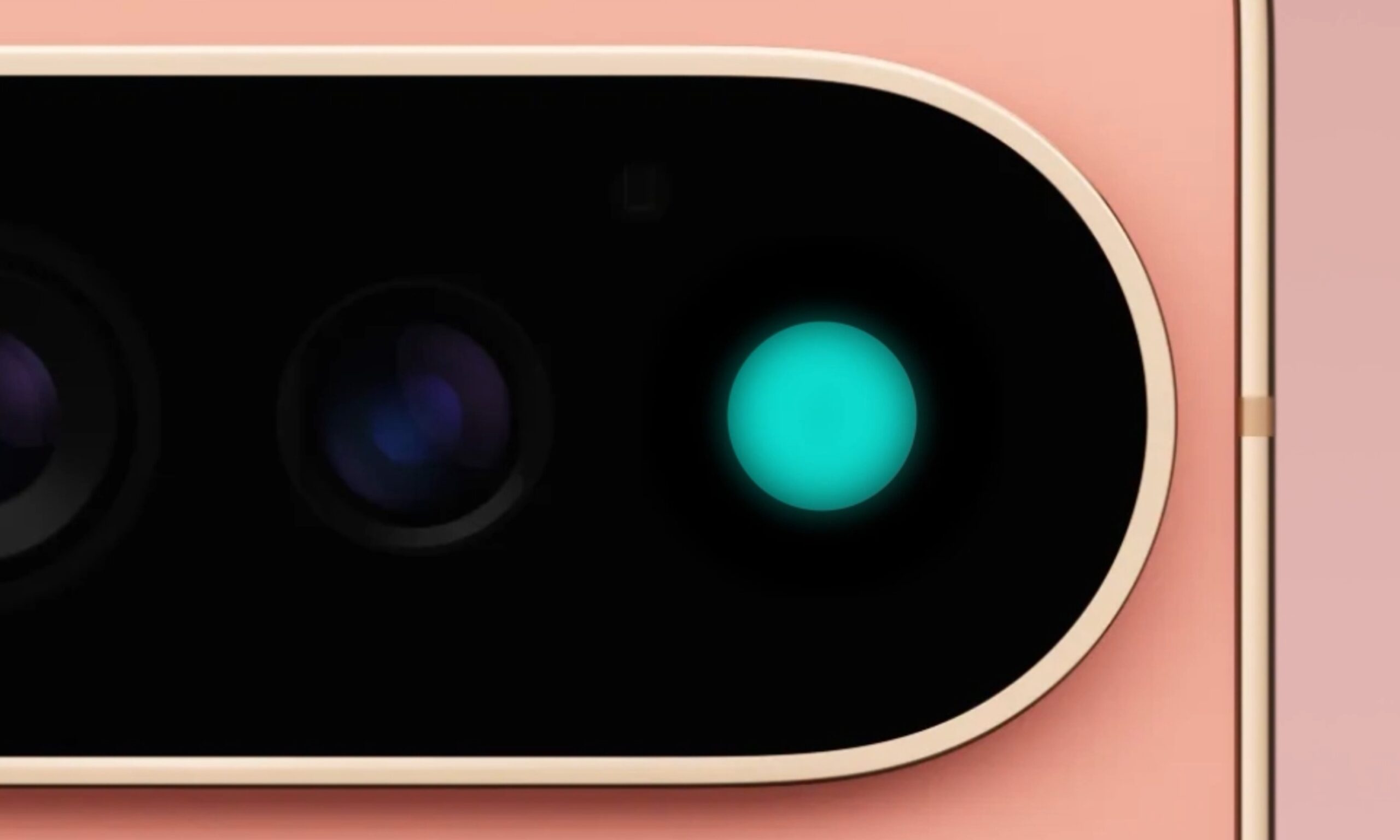
Keeping all of these findings in mind, suddenly, HiLight starts to seem a lot more attractive to me.
HiLight’s limitations could be a boon
There’s a fair bit of obvious criticism coming towards HiLight. At launch, Google only implements the feature for Gemini interactions and calls from your favorite contacts. The company does say that more functionality is coming, adding in message notifications from frequent contacts. However, broader app support is still unknown. Still, I hope Google exercises some restraint.
I’d only want a small group of people or events actually having my attention when I’m busy. Family members can take one color, while others could be someone I’m waiting to hear from. Google has taken an idea Android phones used years ago–the notification LED–and narrowed its purpose around a modern problem. Sure, the temperature sensor could tell me how hot something was, though I’d still keep the feature that helps me decide whether my phone deserves my attention at all.