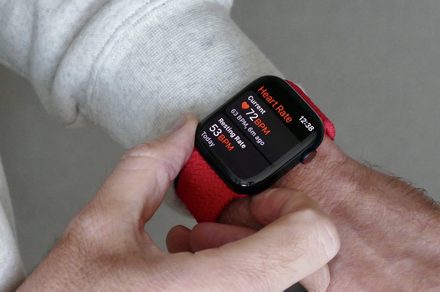
Watching the World Cup can be an intense (and fun) affair that makes your heart race. And now, your smartwatch could be ready to track just how worked up you got over your favorite team winning or losing. Researchers at Bielefeld University are inviting football fans to join the World Cup Fever Study, a project that uses smartwatch and fitness tracker data to measure how fans physically respond to matches during the 2026 FIFA World Cup.
The study is looking at heart rate, stress levels, movement, and sleep to understand how football events like goals, wins, losses, and tense moments show up in the body.
How is the study being conducted?

The study originally launched with Garmin support, but it has now expanded to devices from 13 major brands, including Apple Watch, Google Pixel Watch, Samsung Health, Garmin, Fitbit, Oura, Polar, Amazfit, Coros, Whoop, Xiaomi Mi Fitness, Withings, and Wahoo. Fans can still participate even though the World Cup is already underway. Participants register online with details such as country of residence, gender, nationality, preferred team, and how strongly they identify as a supporter.
Once enough fans of a particular national team have registered, selected participants receive instructions by email to connect their smartwatch. During the tournament, they will also be asked which matches they watched live and whether they followed them on TV or at a public viewing event. The data is collected anonymously through a data-protection-compliant interface. Participants need to grant one-time permission, which allows their device to automatically send the relevant health and activity data.
Football fever is more literal than you think

This project builds on an earlier Bielefeld study from the 2025 DFB Cup final, where researchers tracked 229 supporters of DSC Arminia Bielefeld over 12 weeks. It revealed that fans inside the stadium had an average heart rate of 94 beats per minute, compared with 79 beats per minute for people watching on television. Heart rates also spiked by up to 36% after a goal was scored, while stress levels started rising as early as 14 hours before kick-off.
So this gives researchers the perfect time to monitor emotionally charged fans from across different countries, giving them a rare chance to compare how nationality, team loyalty, and match drama influence the body.