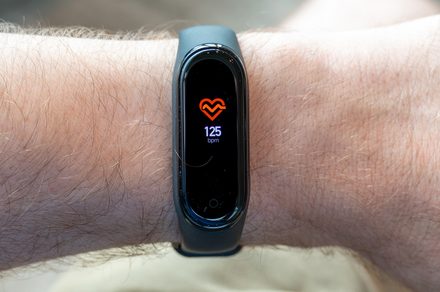
Fitness trackers and smartphone apps may be doing more than just tracking you from your wrist. A new review published in the Journal of the American Heart Association found that people with cardiovascular disease who used smartphone apps, fitness trackers, or wearable devices were more active than those who did not use digital tools.
The review looked at 14 clinical trials involving 1,057 participants with diagnosed cardiovascular disease, including coronary heart disease, heart failure, heart attack, or stroke history. Compared to people who did not use these tools, participants using apps or wearable tech walked nearly 1,100 more steps per day and added about four extra minutes of moderate-to-vigorous physical activity daily.

Why every small movement gains matter
For many people managing heart disease, small activity improvement like these can be a big deal. Many patients are encouraged to take part in cardiac rehabilitation, but traditional programs are not always easy to access. Aspects like distance, cost, time, and mobility challenges can all get in the way.
That is where phones and wearables have an obvious advantage. They are already in people’s pockets and on their wrists, and they can deliver reminders, feedback, daily step goals, motivational messages, coaching, and progress tracking without requiring a trip to a rehab center. Some of the programs in the review also used gamification, quizzes, rewards, and goal reviews to keep people engaged. In other words, the same little nudges that make your smartwatch mildly annoying during a lazy afternoon could be useful when built into a care plan.

This is not a miracle cure
The review found improvements in daily steps and activity time, but it did not find significant improvements in peak oxygen consumption or walking distance. Reasearchers noted that longer studies are needed to know whether these habits last over time and whether they lead to better long-term health outcomes.
So your fitness tracker is not a replacement for medical care, cardiac rehab, medication, or professional guidance. It is just a useful support tool. But the finding gives wearable tech a stronger case beyond sleep scores, streaks, and calorie estimates. And for those battling heart diseases, a phone app or fitness tracker helps becoming more proactive with movement in daily life.