
For years, smartphone buyers have had it pretty good. Even budget phones now offer fast processors, high-refresh-rate displays, and cameras that would’ve seemed flagship-worthy just a few years ago. But that trend may be about to slow down, and AI is playing a big role.

According to a new report from Omdia, global shipments of smartphones priced below $400 are expected to decline by more than 22% in 2026, largely because the cost of DRAM and NAND memory continues to rise. As AI features demand more memory across the industry, manufacturers are finding it increasingly difficult to build capable budget phones without sacrificing their already razor-thin margins.
Why has memory suddenly become so expensive
Memory has always been one of the highest costs inside a smartphone, but Omdia says it’s becoming an even bigger burden. In the first quarter of 2026, memory alone accounted for nearly 60% of the bill of materials in smartphones priced below $400, rising to more than 64% for phones costing under $99. That’s left manufacturers with very little room to absorb further price increases.
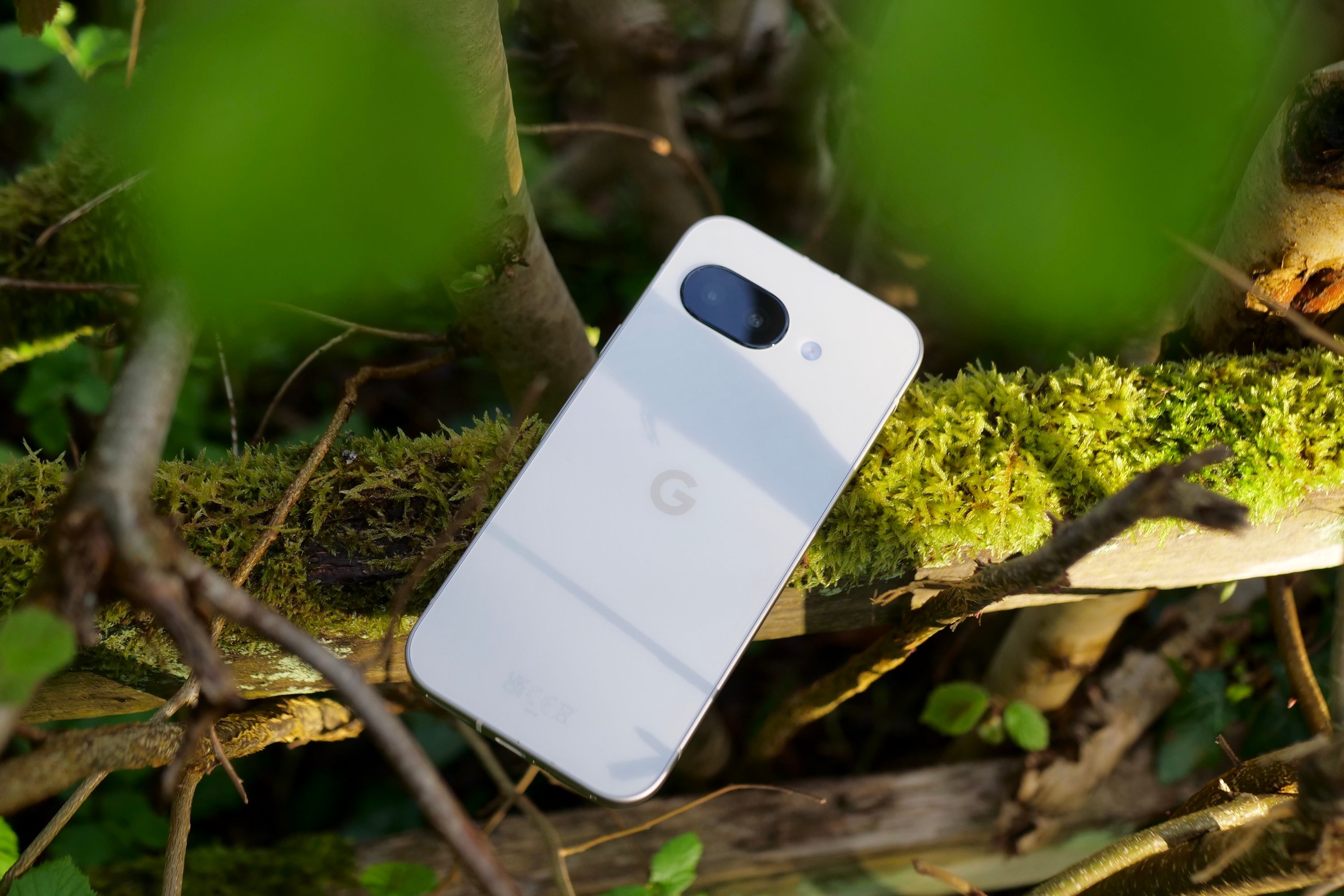
Brands have already tried trimming costs elsewhere by using cheaper display panels, camera sensors, and radio components, but Omdia says low-end smartphones are already so tightly optimized that there simply isn’t much left to cut. As a result, companies like Transsion, OPPO, vivo, Honor, and Xiaomi are increasingly being forced to either raise prices or reduce specifications just to protect their margins.
Premium phones aren’t facing the same problem
Interestingly, Omdia says this pressure is mostly limited to the budget segment. While shipments of phones under $400 are forecast to fall by more than 22%, smartphones priced above $400 are expected to grow by 5.7% this year. Premium devices simply offer manufacturers far more flexibility to offset higher memory costs by tweaking displays, cameras, or even using older chipsets where it makes sense.
The funny thing is that AI was supposed to make smartphones more capable. Instead, it may also make them more expensive, or at least make truly affordable phones much harder to build. If Omdia’s forecast proves accurate, the next generation of budget smartphones may end up offering fewer upgrades than we’re used to, or disappear altogether as brands shift their focus toward more profitable devices.