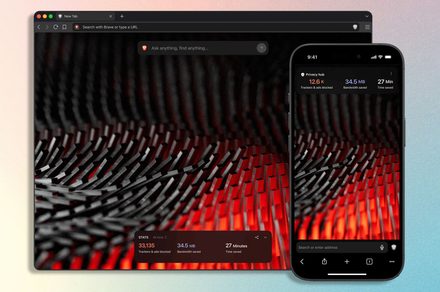
Brave built its reputation as a lean, privacy-focused alternative to Chrome, but over the years it has accumulated a crypto wallet, an AI assistant, a news feed, and a rewards program. In response to user dissatisfaction with the bloat, the company has launched a stripped-down version of the browser called Brave Origin. However, you can’t have it for free unless you’re a Linux user.
What’s included and what’s gone
Brave Origin gets rid of Brave Rewards, Wallet, Leo AI, News, Talk, VPN, Tor, and a few other features. What stays is Brave Shields, the company’s built-in ad and tracker blocking.
There are two ways to use Origin:
— Brave (@brave)
1) As a standalone browser with most features outside Brave Shields disabled.
2) As an upgrade to the existing browser, with a new panel that lets you toggle features on/off.
This chart shows what features are disabled in Origin by default: pic.twitter.com/uw4SXxwjmj
The browser is available as a standalone download or as an upgrade to an existing Brave installation for a one-time license fee of $59.99 that covers up to 10 devices. Linux users, however, don’t have to pay anything for the minimalist experience.
A paid fix for a self-made problem
The launch has drawn criticism from parts of Brave’s community. Some users argue the company is charging to remove features that were unwanted additions in the first place. Others point out that most of what Origin removes can already be disabled in the free version, raising questions about what the $60 actually buys.
byu/thrashingjohn from discussion
inbrowsers
Supporters have countered that most users will never touch those settings, and that Origin packages a cleaner experience in a way that’s actually accessible. Whether Origin is worth $60 depends on how much those features bother you, and how much you trust Brave not to add more of them later.