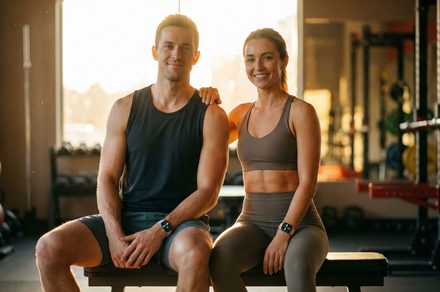

The best fitness apps combine structured training programs, advanced analytics, motivational tools, and community support into a single platform. Many of them now also integrate AI-powered features, wearable device compatibility, and personalized coaching systems to help users train smarter.
Fitness Online: Best Overall
Unlike many fitness apps that rely solely on generic workout videos, Fitness Online builds its training system around programs created by Certified Strength and Conditioning Specialists (CSCS) and diet plans developed by Registered Dietitian Nutritionists (RDN). The platform supports a wide variety of goals, including muscle building, weight loss, strength training, CrossFit-style workouts, and specialized performance programs.
One of the defining features of the platform is its advanced conversational AI interface, which acts as a 24/7 intelligent pocket assistant. Instead of replacing professional expertise, the AI layer helps users navigate the app’s features, answer questions about training or nutrition, and provide contextual guidance when users need help during their workout routine. The goal is to remove cognitive friction and help athletes stay focused on training rather than struggling with technical details.
Fitness Online also offers one of the most extensive exercise libraries among fitness apps. Users can build their own workout plans from a database of 850+ exercises, each accompanied by high-quality 3D muscle visualizations and a unique “Right vs. Wrong” form correction engine that help athletes understand technique and targeted muscle groups.
Another standout feature is the platform’s advanced analytics system, which tracks workout duration, total weight lifted, muscle group distribution, heart rate, calories burned, and other key metrics. These insights help users measure performance and adjust their training strategies over time.
Fitness Online also offers a fully standalone Apple Watch experience, allowing users to follow workouts, log sets and reps, and track performance directly from their wrist without needing a phone in the gym.
The app also integrates personalized macro-adaptive nutrition plans with more than 10,000 localized recipes, enabling users to align their diet with their fitness goals. Combined with its social feed, education hub, and detailed training handbook, Fitness Online becomes more than just a workout tracker – it functions as a complete, All-in-One digital fitness ecosystem.
Nike Training Club: Best Free Workout App
Nike Training Club remains one of the most popular fitness apps thanks to its extensive library of free workouts and guided training programs. The app offers hundreds of routines covering strength training, yoga, mobility, cardio, and bodyweight workouts.
Workouts are designed by professional trainers and athletes, ensuring that users receive structured guidance during each session. The app also includes multi-week training plans that help users gradually progress toward specific goals.
Nike Training Club is especially appealing for beginners because it provides high-quality instruction without requiring expensive equipment or subscriptions.
Apple Fitness+: Best For Apple Ecosystem Users
Apple Fitness+ is designed specifically for users who own Apple devices such as the Apple Watch, iPhone, and Apple TV. The service offers a large catalog of guided workouts led by professional trainers across multiple categories, including HIIT, strength training, cycling, yoga, and meditation.
One of the app’s key advantages is its seamless integration with the Apple Watch. Real-time metrics such as heart rate, calories burned, and workout intensity appear on the screen during workouts, providing instant feedback and motivation.
Apple Fitness+ is particularly appealing for users who want immersive, video-based workouts combined with detailed performance tracking.
Strava: Best For Runners And Cyclists
Strava has become one of the most widely used fitness apps among runners and cyclists who want to track their performance and connect with a community of athletes.
The app uses GPS tracking to record distance, pace, elevation, and route data for outdoor activities. Users can analyze performance trends over time and compare results with friends or other athletes.
Strava’s social features also play a major role in its popularity. Users can share workouts, give encouragement through comments and “kudos,” and participate in virtual challenges that keep training engaging and competitive.
Fitbit App: Best For Health Tracking
The Fitbit app focuses on overall health monitoring rather than just workouts. When paired with Fitbit devices, the app tracks activity levels, sleep quality, heart rate, and other health metrics throughout the day.
In addition to fitness tracking, the app provides guided workouts, wellness programs, and stress management tools. The combination of activity monitoring and health insights makes it ideal for users who want a broader view of their lifestyle and fitness habits.
Fitbit’s clean interface and easy-to-understand data visualizations make it accessible for beginners while still offering useful insights for experienced athletes.
Freeletics: Best For Bodyweight Training
Freeletics is a popular app for users who prefer high-intensity bodyweight workouts that can be done anywhere without equipment. The platform offers AI-driven training plans that adapt based on user performance and progress.
Workouts focus on strength, endurance, and conditioning using exercises such as push-ups, squats, burpees, and sprints. The app’s training plans gradually increase in difficulty, helping users improve fitness levels over time.
Freeletics is particularly appealing for users who want effective workouts at home or outdoors without needing a gym membership.
Fiit: Best For Interactive Home Workouts
Fiit is designed for users who enjoy guided classes similar to studio workouts. The app offers instructor-led sessions across strength training, cardio, yoga, and mobility workouts.
What makes Fiit unique is its interactive experience. When connected to compatible fitness trackers, the app displays real-time performance metrics during workouts and allows users to compete on leaderboards with other participants.
This interactive approach adds motivation and a sense of community, making workouts feel more engaging and competitive.
Why Fitness Apps Matter More Than Ever
Fitness apps have become essential tools for maintaining healthy routines in an increasingly busy world. They allow users to train whenever and wherever it is convenient, removing many of the barriers associated with traditional gym schedules or personal training.
The most advanced platforms now combine professional coaching, performance analytics, AI-powered guidance, and social support systems. These features help users remain consistent, track their progress, and adjust their training strategies based on real data.
For many people, the right fitness app becomes a long-term training companion that evolves alongside their goals and fitness level.
Choosing The Right Fitness App
Selecting the right fitness app ultimately depends on individual goals and training preferences. Some users prefer guided workouts and video instruction, while others prioritize data tracking and personalized training plans.
Apps like Fitness Online provide a comprehensive ecosystem that combines workouts, nutrition, analytics, and AI guidance in a single platform. Others, such as Strava or Freeletics, focus more on specific activities or training styles.
Regardless of which platform users choose, fitness apps have made it easier than ever to stay active, track progress, and achieve long-term health goals. With continued advances in AI, wearable technology, and data analytics, these digital fitness companions will only become more powerful in the years ahead.