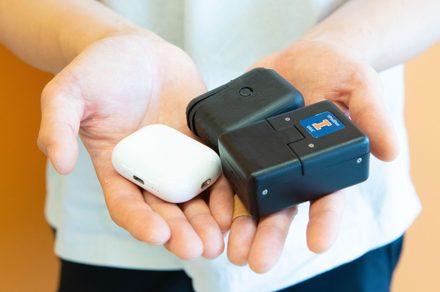
Home testing could eventually become a lot more convenient. Researchs at the at the University of Illinois Urbana-Champaign has developed the VPodDuo, a pocket-sized fluorescence reader designed to measure sensitive molecular tests outside a conventional laboratory.
Its housing is roughly comparable in size and shape to an AirPods charging case, while Bluetooth connectivity sends results directly to a smartphone. Meaning, you might not have to wait in line anymore.
A tiny box that reads far more than a line
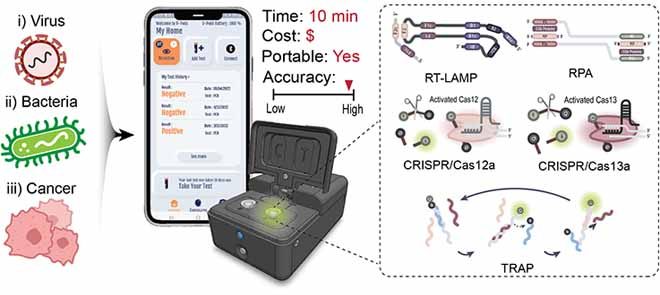
Common home tests generally provide a positive, negative, or roughly estimated result through a visible line. Fluorescence-based molecular assays can deliver far more sensitive and quantitative readings, although the equipment needed to analyze them is often large, expensive, and intended for professionally trained laboratory personnel.
VPodDuo replaces the camera systems found in some fluorescence readers with simpler photodetectors that measure the intensity of green fluorescent signals. Its two ports analyze a test sample and a negative control simultaneously, helping the system determine whether the detected signal represents a genuine result.
This tiny medical gadget managed to detect genetic material associated with the Zika virus, HIV, methicillin-susceptible Staphylococcus aureus, and two biomarkers linked with lung cancer. The tested assays had incubation periods of approximately 10 minutes.
Benchmarking against three commercially available fluorescence readers reportedly produced comparable detection limits. The team also tested the device under changing temperatures and in outdoor environments, an important consideration for clinics and field testing sites without tightly controlled laboratory conditions.

The AirPods comparison comes with a big asterisk
A companion smartphone app guides users through operation and interpreting results. Furthermore, wireless connectivity allows real-time readings, data storage, and sharing. The researchers also included safeguards intended to reduce accidental misuse. VPodDuo remains a research device rather than something ready for your bathroom cabinet. The study provides no consumer price, release date, or regulatory approval timeline.
The researchers see its eventual value in frequent screening and earlier intervention. Its results would help determine when additional medical attention is needed, but a definitive diagnosis would remain with healthcare professionals. That leaves the VPodDuo some distance from becoming an everyday health gadget.