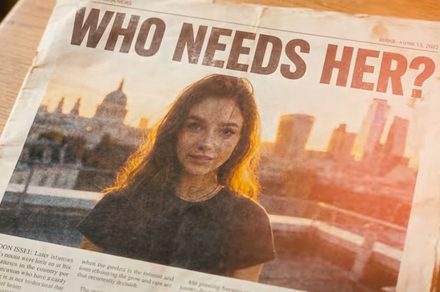
People in China can now license their face to AI much like a photographer licenses a stock image. AI creators can then make that likeness speak, move, and appear as different characters in short dramas or ads.
Contributors have earned between $15 and $700 through platforms such as ActID and New Claw, according to Rest of World.
For studios, these marketplaces provide virtual actors without the trouble of arranging a conventional shoot. Contributors get defined payment terms, but once the files leave the platform, the agreement can’t guarantee every buyer will behave.
How does renting a face work
ActID reportedly has around 800 registered users, including roughly 300 people licensing their likenesses. Creators pay between 99 and 500 yuan per episode, while the platform takes a 10% commission.
New Claw lets contributors upload their own images and set a minimum licensing price of 500 yuan per image. Buyers can use the resulting likenesses in AI projects covered by the agreement.
A stock photo usually captures one expression in one setting. A licensed AI likeness can play a recurring character, giving buyers far more freedom and contributors many more places to look for misuse.
Why does AI need so many faces
China’s appetite for AI-generated entertainment is creating work for faces even when their owners never step onto a set.
Figures from the China Netcasting Services Association suggest AI was used in more than 95% of the 128,000 microdramas released during the first quarter of 2026. Studios producing content at that scale need characters they can license and put to work quickly.
One photo session could lead to an unusually long acting career, minus the trailers and uncomfortable press tours.
Can you get your face back
Chinese law requires consent before biometric data can be processed and prohibits fabricating someone’s likeness without permission. Face-licensing platforms add contracts and technical restrictions intended to keep buyers within the agreed uses.
Enforcement is messier. The Guangzhou Internet Court has handled around 700 AI-related disputes over three years, including cases involving face-swapping and copyright.
Anyone tempted to license their face to AI should look beyond the fee and check how the platform tracks unauthorized use. A contract can define who has permission to use your likeness. It can’t make every rogue version disappear.