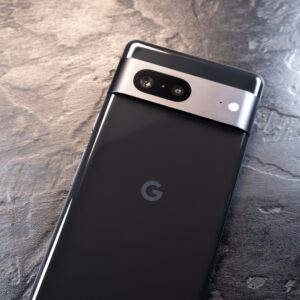
If you’re ever in an emergency situation, your can use your Google Pixel to get more information about what’s going on and receive the help you need. While some emergency features are enabled by default, you do have to set most of them up before a crisis actually occurs.
It’s worth noting that emergency settings aren’t consistent across all Android devices. Many of Android’s emergency features live within the Personal Safety app, which is automatically installed on all Pixel phones (4a and later). A version of this app is available to other Android users through the Google Play Store, though it may be labeled just “Safety” in your app list once downloaded and have different functionality across non-Pixel devices.
Schedule a Safety Check on your Google Pixel
If you’re ever out alone and want to ensure that someone knows where you are, Safety Check can prompt you to confirm that you’re OK and notify your emergency contacts (with a link to your location) if you don’t. This is especially useful during activities that present some risk, such as running at night, going to a party, or taking a ride share.
In Personal Safety, go to Safety Check, select the reason and duration for your check-in, and hit Next. Choose the contacts you want notified in case of emergency, and hit Start. You can notify your emergency contacts upfront—they’ll receive a text with your name as well as Safety Check reason and duration. When you get the Safety Check prompt, choose from I’m OK. Don’t Share, Start sharing now, or Call 911.
Add emergency contacts and medical information to Personal Safety
The Personal Safety app is also the hub for any information first responders might need in an emergency. Tap Your info > Medical information to add allergies, medications, blood type, and other health data, and Your info > Emergency contacts > Add contact to pull from your existing contact list. Then tap Emergency info access > Show when locked to make this information available from your Pixel lock screen. All someone has to do is swipe up on your lock screen and tap Emergency > View emergency info.
If you want to be able to send your location to emergency contacts, you must turn on Emergency Sharing in the Personal Safety app and select which individuals you want to notify. Note that your location is shared automatically through Android Emergency Location Service (ELS) when you call 911 unless you disable this feature in Settings > Location > Location services > Emergency Location Service or Google Emergency Location Service.
Turn on Emergency SOS on Google Pixel
Emergency SOS is actually a collection of features that you can activate in an emergency, such as calling emergency services, sharing your location with your emergency contacts, and recording video. In Settings, go to Safety & emergency > Emergency SOS > Start setup. From here, you can add an emergency services number, turn on assisted calling, select contacts to share information with, and enable emergency video recording. Tap Done when you’re finished. You can also select the activation method: either Touch & hold to start actions or Start actions automatically. (In an emergency, these options are activated after you press the power button quickly five times or more.)
Set up emergency alerts on Google Pixel
Android has several settings for emergency alerts, which push a notification to your device in the event of severe weather, a natural disaster, or other local crisis. Government-issued emergency broadcasts also include AMBER alerts. You can manage how you want to receive these under Settings > Notifications > Wireless emergency alerts. Crisis alerts, meanwhile, provide localized information with links to Google Search results about the emergency. These are on by default, but you can adjust them under Settings > Safety & emergency > Crisis alerts. Finally, Android can provide earthquake alerts in certain areas (California, Oregon, and Washington in the U.S.) if you enable them under Settings > Safety & emergency > Earthquake alerts.
Enable Car Crash Detection on Google Pixel
Pixel devices can detect severe car crashes—using data like your phone’s location, motion sensors, and nearby sounds—and call emergency services for help. You do have to grant several permissions in order for detection to work, and it’s not available in every country. To turn it on, open Personal Safety and go to Features > Car Crash Detection > Set up. You’ll need to allow location sharing when the app is in use and allow microphone and physical activity sharing at all times. If your device does detect a crash, it’ll send a prompt asking if you need help and automatically call emergency services if you don’t respond.
Put a message on your Pixel’s lock screen
In addition to making your medical information and contacts available when your phone is locked, you can add a lock screen message, which is visible to anyone who has access to your device. This can be useful for sharing a secondary contact in case your phone gets lost, but you can also put critical health alerts here, such as severe allergies or medical conditions that someone assisting you in an emergency might need to know without having to navigate any further.
Access Satellite SOS when you’re out of service
Like on iOS, Android allows you to connect to emergency services via satellite if you don’t have cellular data or wifi. This is available on Pixel 9 and later (except Pixel 9a) and works only with Google Messages as the default messaging app. When you attempt to dial 911 (or the emergency number in your area) when you’re out of service, you’ll see a Satellite SOS button. Tap and select Use Satellite SOS > Start. Follow the prompts to answer questions about your situation, notify emergency contacts, connect to a satellite, and open a text conversation with first responders.