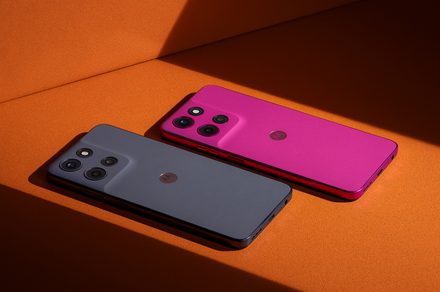
If you have been holding out for a cheap phone deal, you might want to act fast. New data from Counterpoint Research shows smartphone sales below $100 in the US dropped a staggering 64% year over year in the second quarter of 2026. Overall smartphone sales fell 5% too as rising costs squeeze both shoppers and phone makers at once.
Why are budget phones disappearing?
Two separate pressures are colliding here. Rising gas and goods prices, driven partly by conflicts in the Middle East, have already cut into how much people can spend on electronics. At the same time, memory chip prices have climbed sharply, largely because massive tech companies are buying up huge amounts of RAM for their own AI infrastructure needs.
This has hit budget smartphones the hardest, since manufacturers either raise prices to cover the cost or stop making cheap models altogether. Carrier-branded white-label phones, the generic budget models sold directly through carriers, have been hit especially hard by these price increases.
Who wins and who loses in this shift?
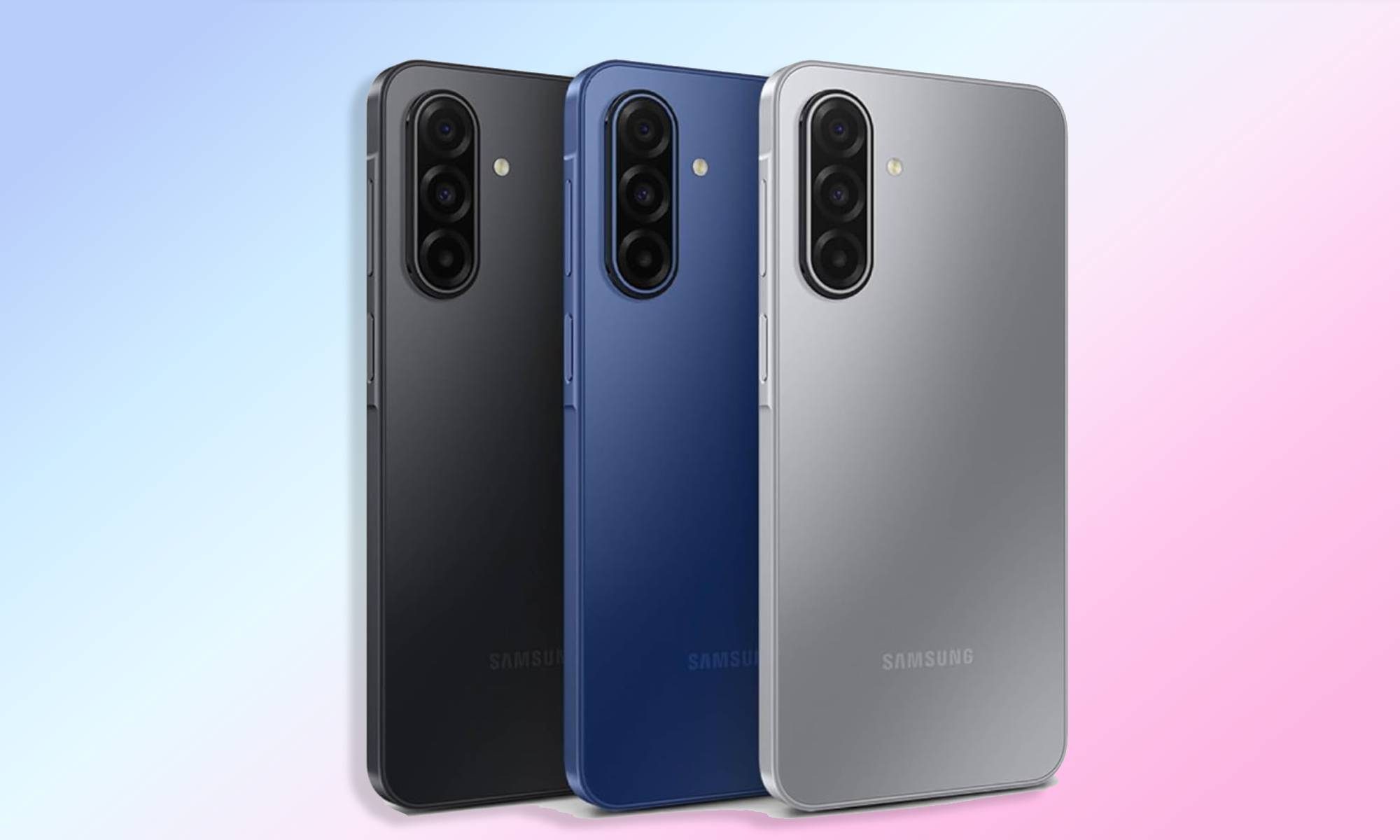
Bigger phone makers are weathering this far better than smaller ones. Combined sales for Apple, Samsung, Motorola, and Google fell just 4%, while every other brand combined dropped a brutal 45%. Smaller companies simply cannot buy components in bulk the way giants can.
HMD, the company behind Nokia phones, already exited the US market entirely last year. Meanwhile, Motorola raised prices on its popular budget lines, and Samsung did the same, which oddly caused the $200 to $299 price range to nearly triple in market share.
We can expect prices to climb further too, since Apple is expected to raise iPhone 18 pricing this fall, and Google’s new Pixel 11 already costs more than last year’s model.