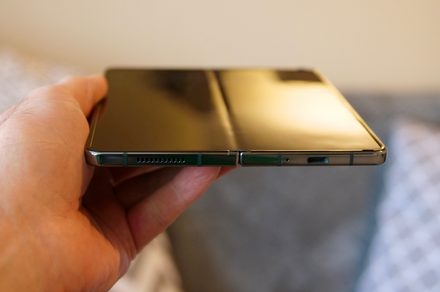
Samsung has spent generations refining hinges, reinforcing display layers, and promising increasingly subtle creases. But soon, it might eliminate the crease by physically carving away part of the glass where the screen folds.
Samsung Display is developing a foldable OLED cover layer known as Center-Etched Thin Glass, or CTG, alongside its suppliers. The technology selectively etches the central folding section of the ultra-thin glass, leaving that area thinner than the rest of the panel. Industry sources believe it could appear in some Galaxy Z9 foldables as early as 2027. It is also known as Hybrid UTG, since a single glass layer would carry two different thicknesses.
Samsung wants a flexible center and stronger sides
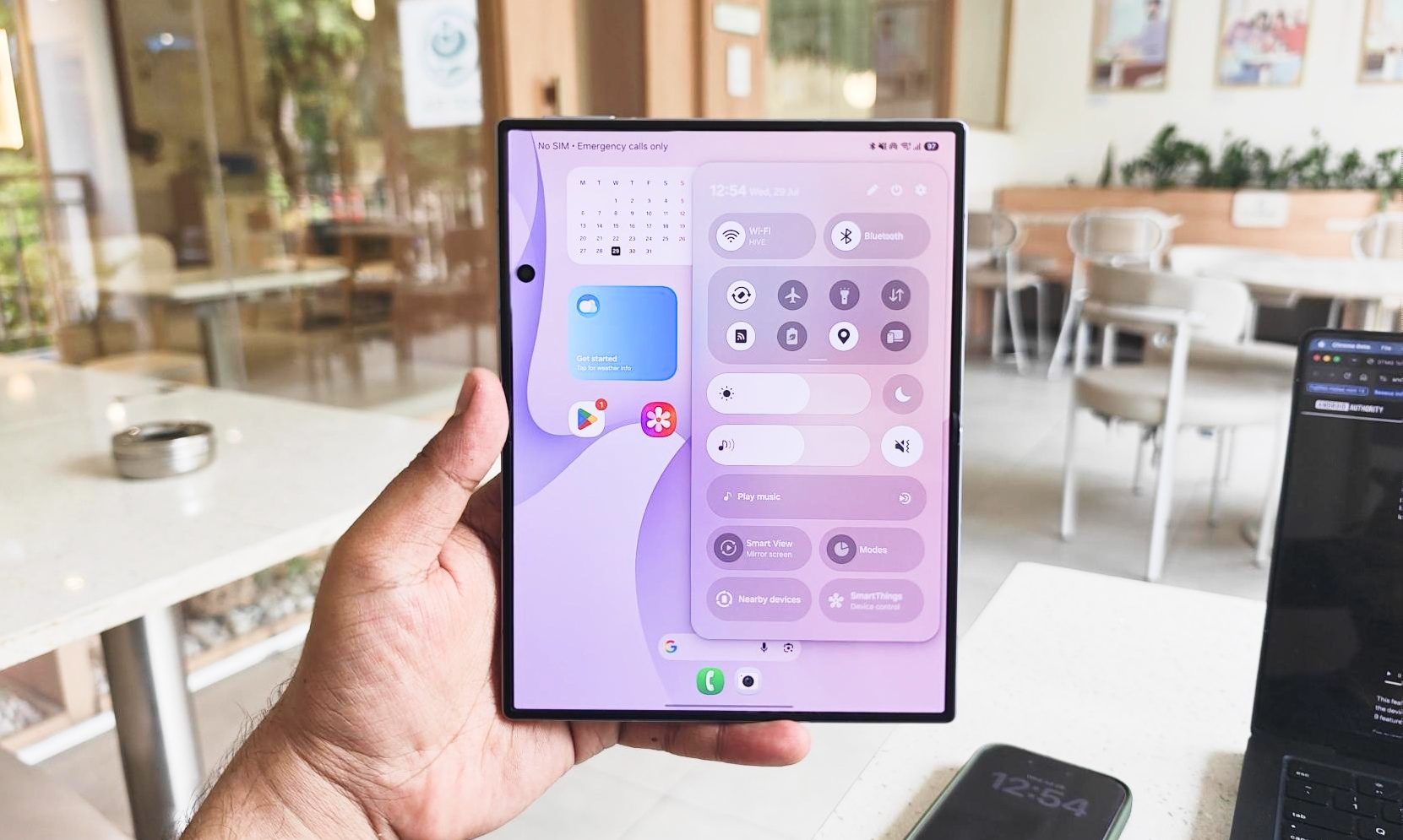
Making the folding section thinner should allow it to bend more easily, reducing the stress that creates a visible valley over time. Samsung could then use thicker glass across the areas that remain flat. According to ZDNet Korea, this could produce a more rigid, taut display with better durability away from the hinge.
So Samsung won’t need to use a thinner UTG layer, which would make it more vulnerable to damage. The screen would gain flexibility exactly where it needs to fold while retaining greater structural strength across most of its surface. Samsung already moved in this direction with the Galaxy Z Fold 8 series.
Its current Flex Titanium structure combines a titanium-alloy film and titanium plate to improve strength, flexibility, and crease visibility. Samsung also uses micro-patterned holes around the folding section to help the rigid titanium plate bend. Meaning, CTG could add another layer of refinement by reshaping the glass itself.
But there’s another problem here
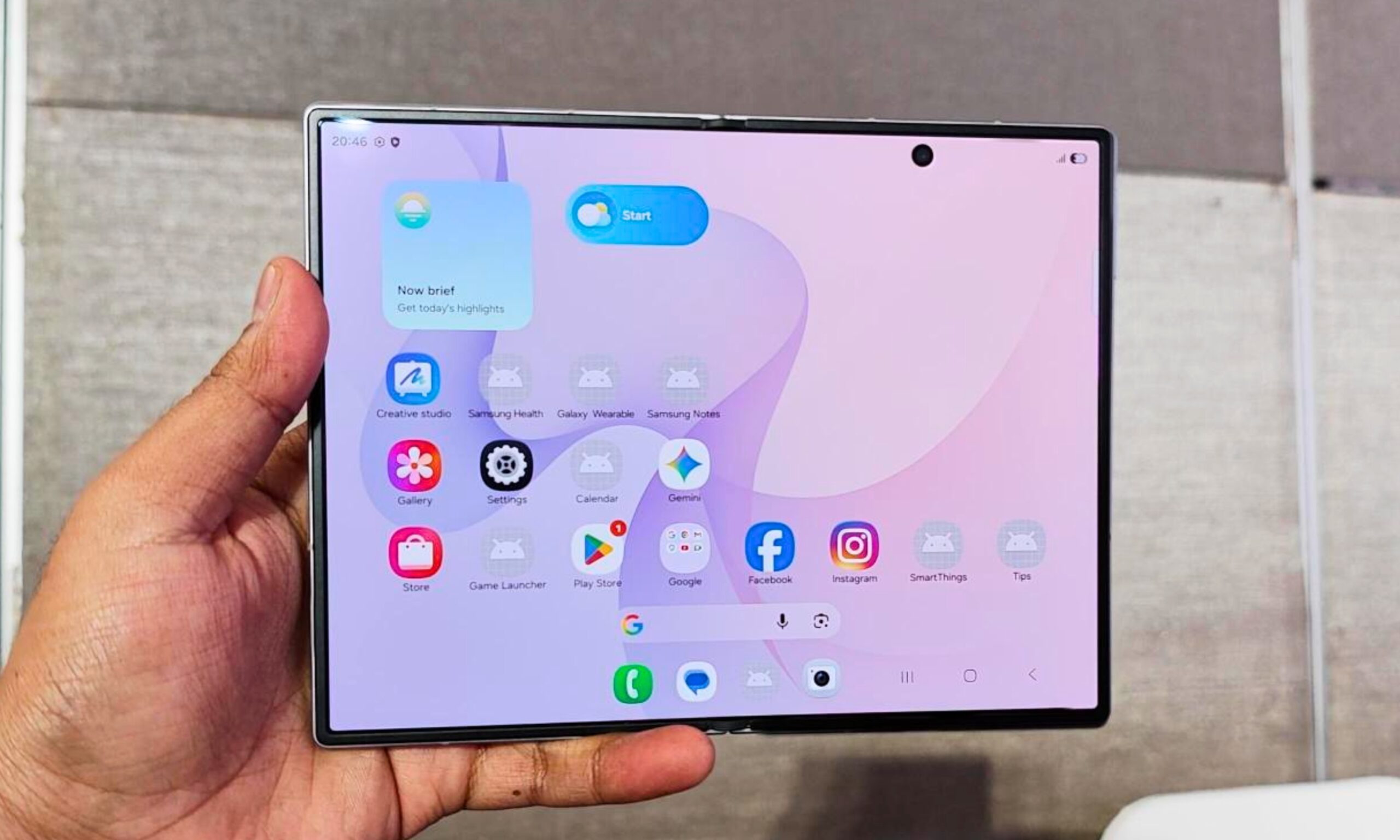
Creating two different glass thicknesses introduces a new problem. The transition between the etched center and thicker surrounding sections could leave a visible or tactile step beneath the display. Samsung Display is reportedly developing a filler that would sit inside the etched section and level the entire UTG surface. The company must also ensure that the filler and surrounding glass have sufficiently similar optical properties, or the center could still appear visually different.
Samsung has yet to make a final decision on using CTG in a commercial phone. The report adds that adoption should become clearer during the fourth quarter, with some Galaxy Z9 models considered the earliest candidates. So the technology still remains under development.