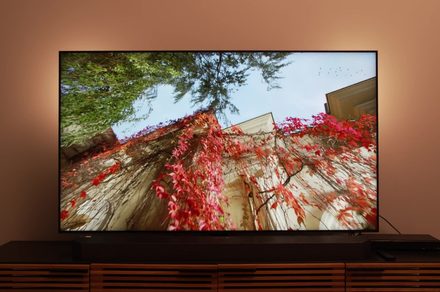
I’ve never once suspected my smart TV of moonlighting as someone else’s internet connection. However, that’s apparently been happening to millions of Samsung smart TV users.
So what exactly did researchers find?
Norwegian cybersecurity firm Mnemonic discovered that several popular Samsung smart TV apps, some claiming installs on hundreds of millions of devices, contain code that quietly shares the owner’s internet connection without permission.
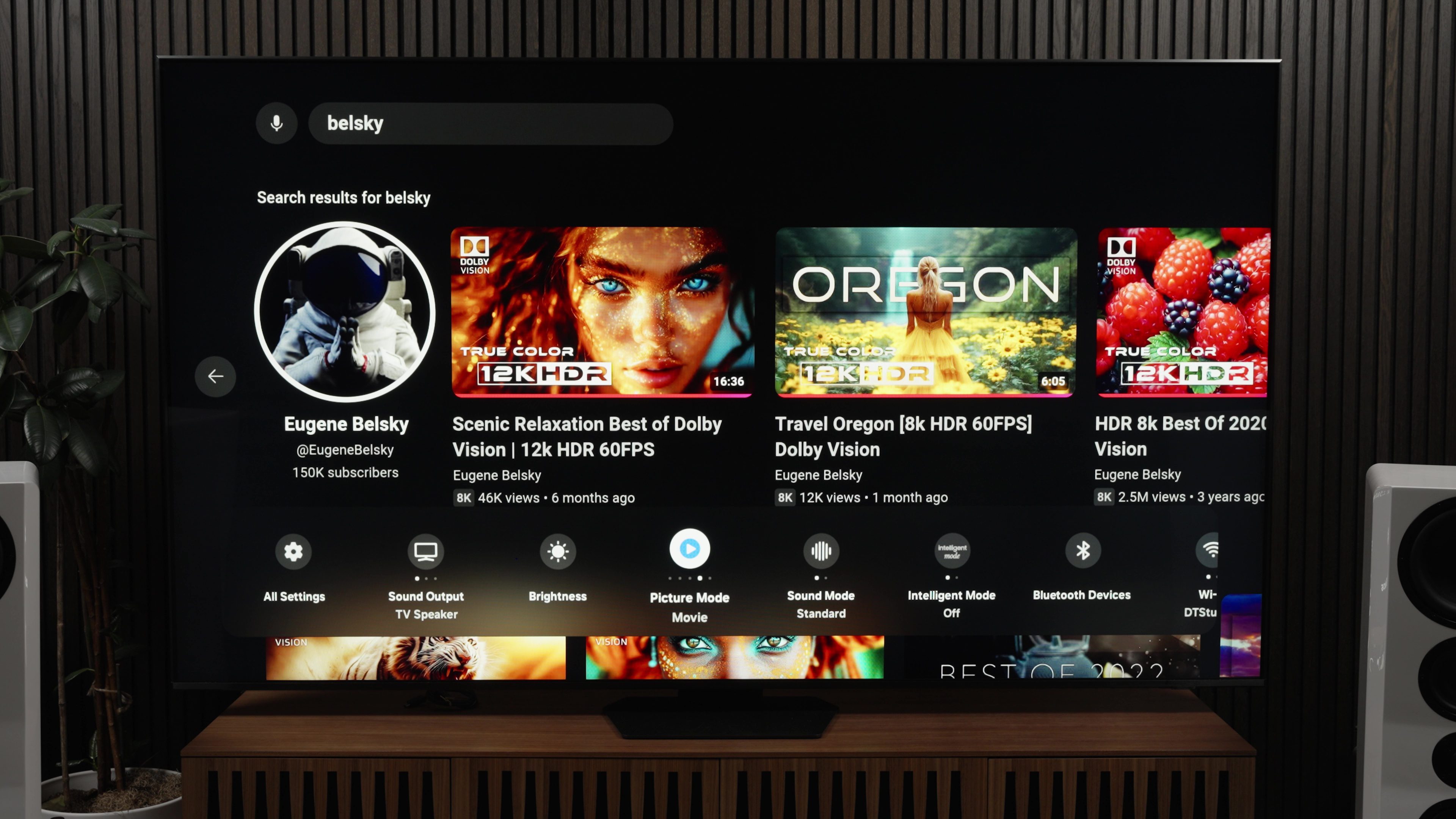
One of the apps flagged was a Pac-Man game that, ironically, Samsung had featured in its own “Editor’s Choice” section. That game contained code from Bright Data, which is an Israel-based internet company that runs proxy networks. It claims access to millions of residential connections across the world, along with a marketplace selling scraped datasets pulled from those networks.
Once you open an app carrying such code and accept a consent screen, which most people probably click through without reading, your smart TV turns into what’s called a residential proxy in technical lingo. Essentially, the code routes outsiders’ web traffic through your home connection in the background.
And that’s not even the worst part. The routing remains active even after you close the app. It stays active until you uninstall it entirely from your smart TV. Harrison Sand, the offensive security consultant at Mnemonic, warned that a single code change on a remote web server could theoretically flip hundreds of millions of these TVs into a botnet all at once, with no user consent whatsoever.
How did Samsung respond
It gets more interesting. Sand also observed that much of the traffic passing through his own TV (without his consent) appeared linked to mass scraping of LinkedIn profiles and collecting AI training data. However, he says he only glimpsed a small slice of Bright Data’s overall network.
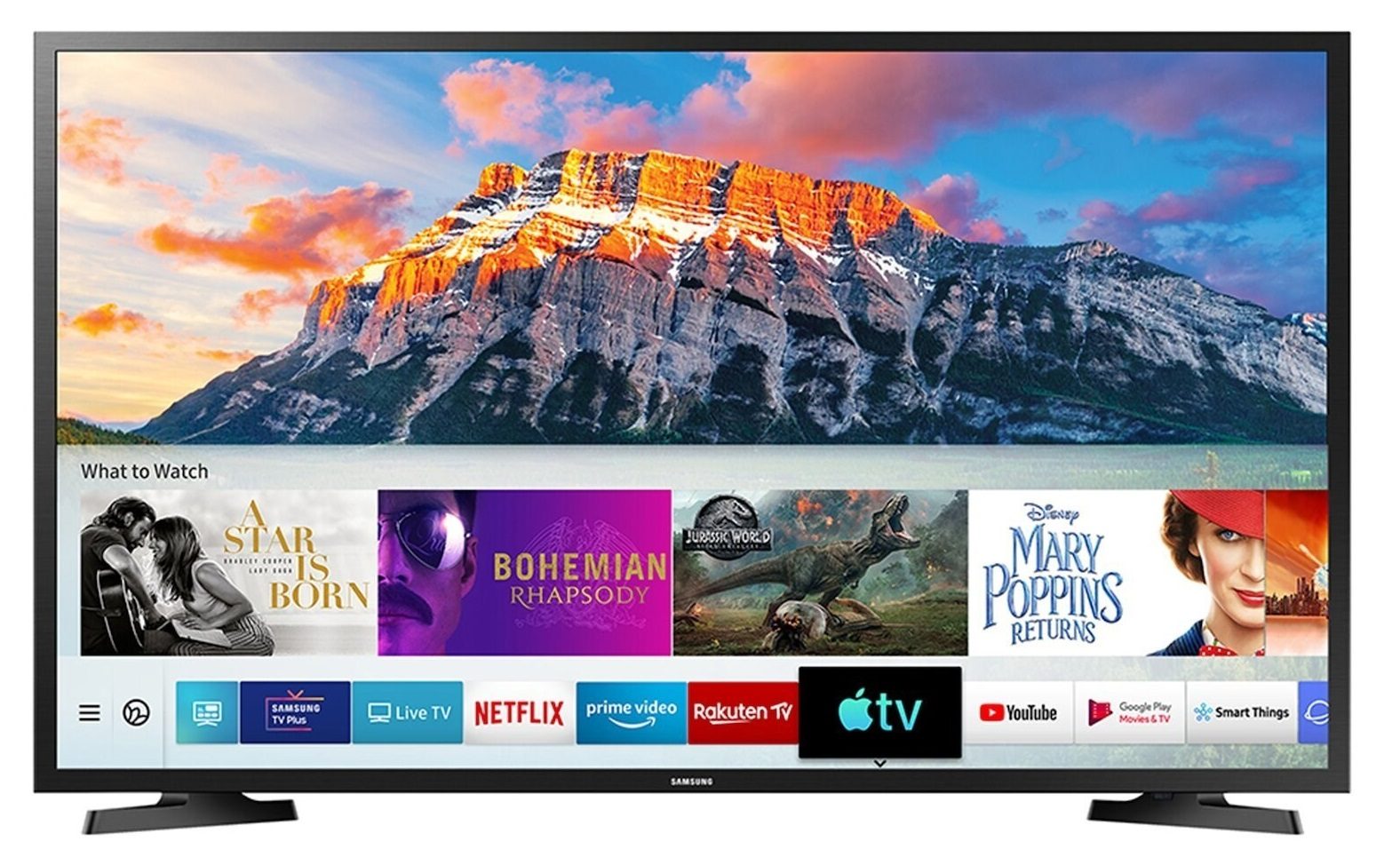
Samsung, for its part, told TechCrunch it’s now banning apps that share users’ connections (which it should), has already restricted new app registrations using proxy functionality, and is working to identify and pull existing offenders from its store.
This follows LG’s own ban last month, as similar reporting found roughly 42% of apps on LG’s store were doing the exact same thing. After writing this, I’m going to check my smart TV for apps I don’t remember installing, or I don’t use that frequently, and will uninstall them rightaway, and you should do it too.