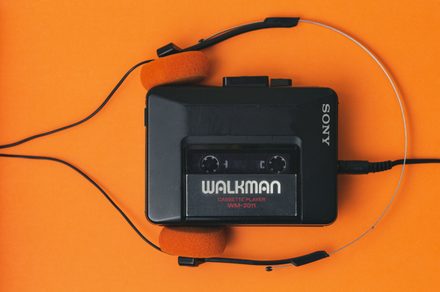
Every few months, another piece of tech that seems obsolete crawls out of a drawer and becomes cool again. The age of minimalism has revived the popularity of iPods among younger buyers. Dumbphones have become an escape hatch from endless notifications. Similarly, digital cameras are dangling from bags again. Physical media keeps attracting people who want something they can actually hold instead of another frustrating subscription.
All of this makes it the perfect time for Sony to bring back the classic Walkman, which was a phenomenon during the 80s and 90s. I would love one. Give me a compact cassette player, physical buttons, and wired headphones. Keep the apps, notifications, and algorithms that shape your taste of music. No more AI assistants or personalzied feeds, just you and your Walkman. There is only one problem though. Recreating the Walkman that people love and remember, would be far harder than putting an old design back into production.
Where the Walkman fits in this era of tech
Part of the current retro-tech revival comes from younger buyers discovering older gadgets for the first time, or reconnecting with tech from their childhood. Passing it off as the ol classic nostalgia and rose-tinted glasses is an easy dismissal of this trend. But the attracting is far deeper.
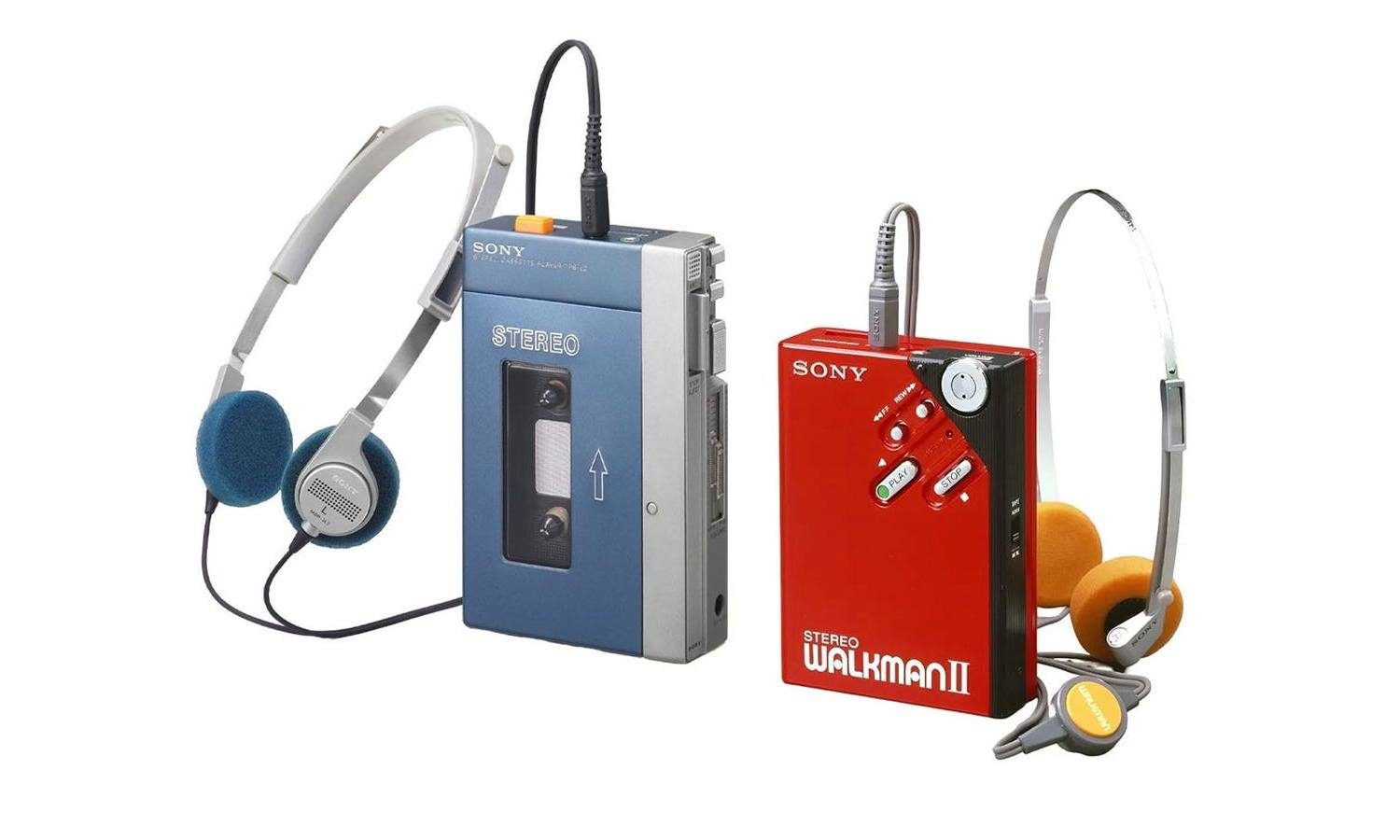
A classic Walkman has one job. Put a cassette inside, press play, and listen. If you were part of the later 2000s era, then CD players or digital players were a part of it too. Compare that with the phone in your pocket. Music lives beside messages, work emails, social media, news alerts, games, shopping apps, and enough notifications to derail whatever you opened Spotify to do in the first place.
You’ve probably already seen something similar happen to the original iPod. Younger buyers are hunting down old classics and Nanos. It does defeat the purpose of minimalism in the sense that you have one more gadget to carry around. But to many, the deliberate choice is the appeal. You’re picking an album before leaving home. Loading up the music on the devie to set the vibe of your day.
Sony doesn’t have a rewind button
A recent report from Obsolete Sony offered a much less romantic look at what a Walkman revival would involve. Former Sony engineer Akira Tanaka spent years working across cassette, CD, MiniDisc, and digital Walkman products. According to him, many of the components behind those classic machines simply do not exist anymore.
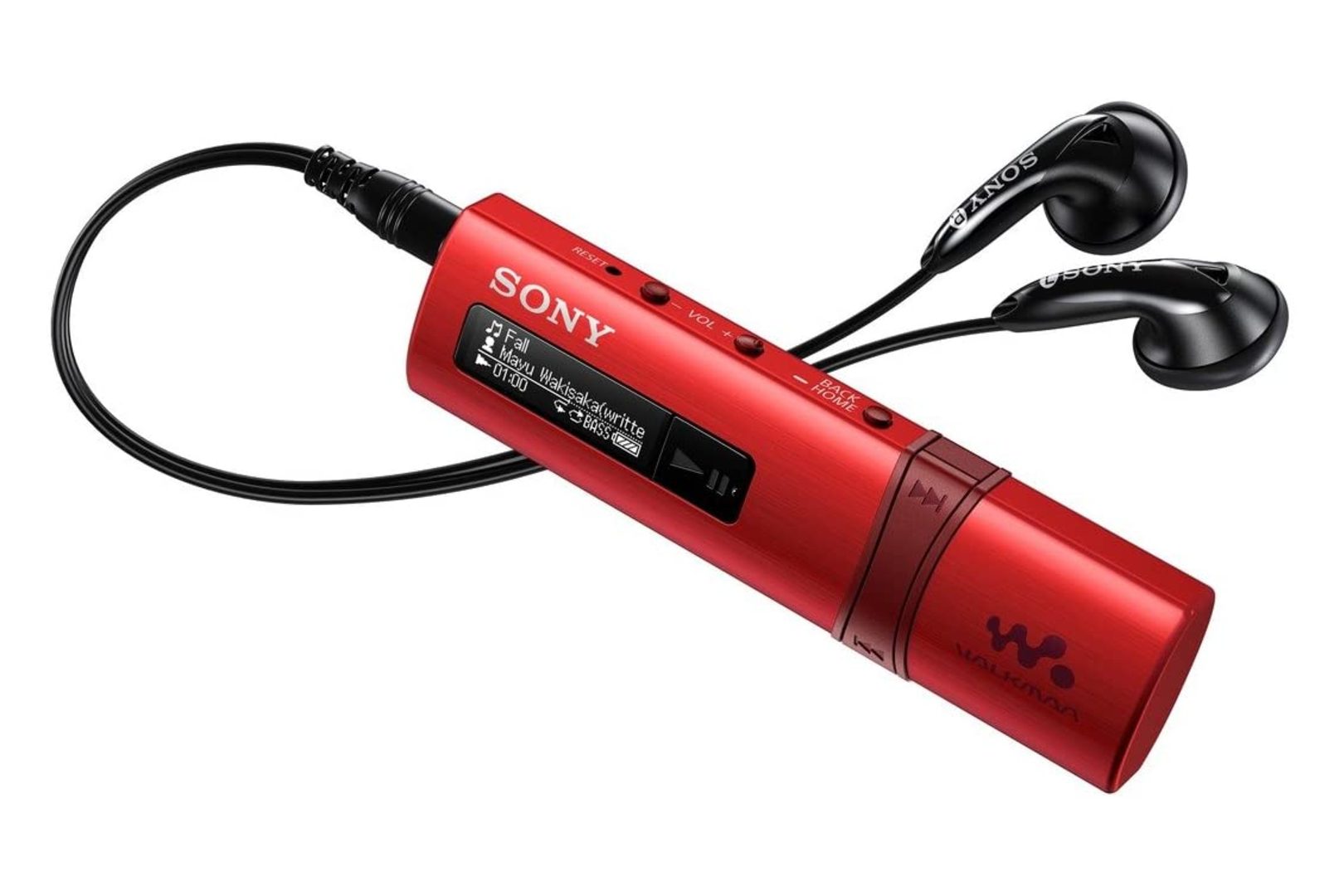
The miniature motors are gone. Magnetic heads and proprietary integrated circuits have disappeared from production. Even the suppliers have moved on, with production equipment being retired, and the factories that once built these devices at enormous scale changing along with the market.
Classic Walkmans, especially later models, were incredibly sophisticated mechanical devices. Back in the day, Sony was squeezing motors, circuit boards, and a whole bunch of tiny mechanical components in a tiny body. So manufacturing them required dedicated tooling, alignment procedures, and specialized equipment. Decades later, recreating one would mean designing around parts available today and developing much of that manufacturing process again.
Maybe some technology really belongs to its era
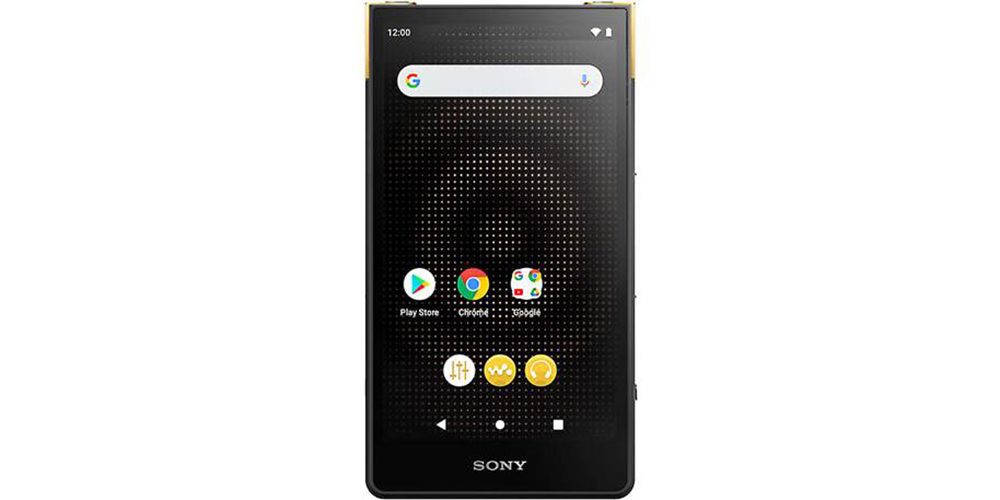
Technically, Sony never actually killed the Walkman. Today’s Walkmans are high-resolution digital music players. The compact NW-A306 runs Android, supports streaming apps and local music. Quality is the focus here. Those machines satisfy the modern dedicated-player audience without forcing Sony to rebuild an entire mechanical supply chain. From a business standpoint, the logic here is sound.
But there’s still a sad note to Tanaka’s explanation. A gadget can survive perfectly in a drawer while the entire world required to manufacture it vanishes around it. I would love Sony to find a way around all of this, especially with the original Walkman’s 50th anniversary approaching in 2029. A limited modern interpretation could capture some of the old machine’s character without attempting a microscopic reproduction of a 1990s mechanism. Till then, the secondhand market may be the closest thing we get.