
Somewhere between the last day of school and the first day back, your phone conked out. Perhaps the screen shattered after a particularly nasty fall, or its battery regularly gives up by noon, or apps take so long to launch that by the time they do, you’ve forgotten why you opened them in the first place. You don’t think it’ll last another school year, but between all the school supplies and everything else, a budget phone is all your wallet can handle right now.
Fortunately for you, cheap phones have come a long way, offering better screens, bigger batteries, and more capable cameras than devices launched just a couple of years ago. Since you’re already prepping to head back to school, this is as good a time as any to lay your old phone to rest and lock in an upgrade. But unfortunately, the timing isn’t great for the smartphone industry in general, and that has had a real impact on entry-level phones.
The ongoing memory and storage shortage has driven some manufacturers to increase prices. It has also impacted availability and, in at least one case, pushed a major manufacturer out of the US market entirely. That’s left the field thinner than usual, with only two phones that still earn a clear recommendation at budget pricing. Here are those picks, plus what dropped out of contention this year.
Samsung Galaxy A17: The safest budget pick
| Pros | Cons |
| Six years of OS and security updates, unmatched at this price | Exynos 1330 is showing its age |
| 6.7-inch AMOLED display with 90Hz refresh rate | 4GB RAM on the base model is limiting |
| 5,000mAh battery easily clears a full day | Ultrawide and macro cameras are essentially filler |
| Works on any US carrier | IP54 rating only protects against splashes |
| $35 upgrade to 256GB storage also doubles RAM to 8GB |
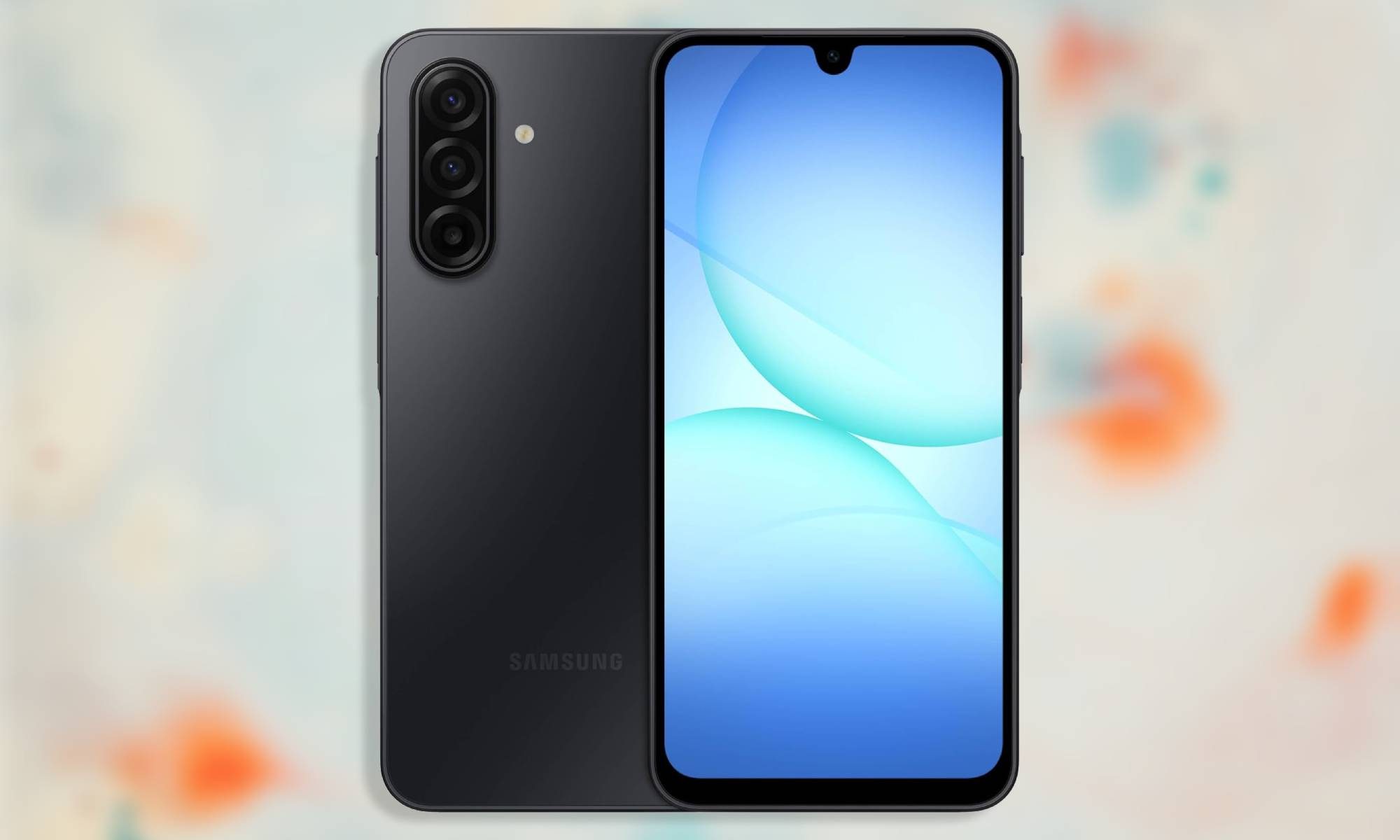
Samsung’s most affordable Galaxy A-series device is the one I’d confidently hand to a student who just needs a reliable phone that’ll survive the next few years without breaking the bank. Samsung backs the Galaxy A17 with six years of OS and security updates. That’s unheard of for a $200 device, and it’s the single biggest reason this is the budget phone to buy right now.
Its 6.7-inch AMOLED display is gorgeous to look at and, with its 90Hz refresh rate, it will feel smoother if you’re upgrading from an old phone with a 60Hz panel. Gorilla Glass Victus on the front means it can survive the kind of drop that would spiderweb a cheaper screen, and the plastic build, while not glamorous, doesn’t feel flimsy in hand either. The 5,000mAh battery can easily clear a full day without needing a midday charge, but you should tame your expectations when it comes to performance.
The Exynos 1330 powering the device is a few generations old, and you may notice occasional stutters when opening apps or scrolling through pages. But that’s mostly due to the 4GB RAM on the base model. Upgrading to the 256GB storage variant for $35 extra will get you 8GB RAM, which will resolve this hitch for the most part and even improve multitasking performance.
The triple-camera setup on the back is mostly marketing, with the main 50MP sensor pulling all the weight while the other two are nothing worth writing home about. The device has an IP54 rating that won’t survive a dunk in a pool, but it’ll handle a spilled drink or a walk in the rain just fine.
Compromises like these are expected from devices in the sub-$300 price range, so they’re not entirely deal-breakers. What matters more is whether the phone you buy today still looks sharp, gets through most of the day with few hiccups, and receives updates by the time you graduate, and that’s exactly where the Galaxy A17 delivers. It works on all carriers and is the safer of the two options in this piece.
TCL NXTPAPER 70 Pro: A strong alternative, if you’re on T-Mobile
| Pros | Cons |
| 8GB RAM and 256GB storage as standard | $199.99 price requires signing up for T-Mobile or Metro, unlocked price is $329.99 |
| Larger 5,200mAh battery | Carrier compatibility claims are vague and require confirmation |
| Unique NXTPAPER 120Hz display | TCL doesn’t match Samsung’s software support window |
| IP68 rating offers full submersion protection |
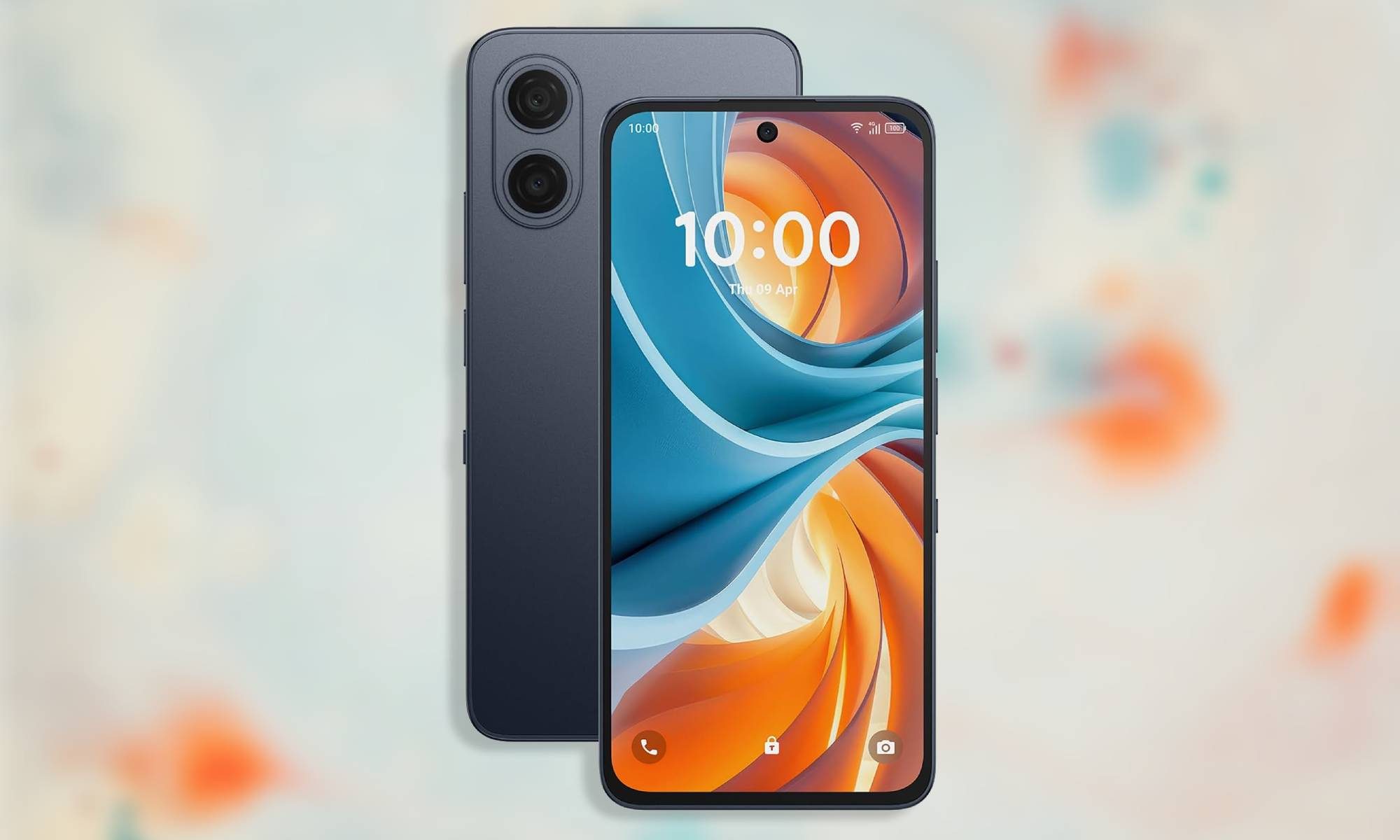
The TCL NXTPAPER 70 Pro is a great pick for students who will spend several hours a day staring at a screen and want their eyes to survive the semester. It offers 8GB of RAM, 256GB of storage, a 5,200mAh battery, and an IP68 rating, giving it a significant leg up over the Galaxy A17.
Its headline feature is the NXTPAPER display itself, which switches the 6.9-inch, 120Hz screen between full color and a matte, paper-like Ink Mode at the press of a switch. The Ink Mode cuts down glare and is genuinely useful for a student working through PDFs, textbooks, or lecture slides late at night.
The pricing has a major caveat, though. The $199.99 figure you’ll see attached to this phone requires signing up for service through T-Mobile or Metro by T-Mobile. But if you want to buy it unlocked, the price jumps to $329.99. TCL also doesn’t have Samsung’s track record on update speed or longevity, so that’s another thing to consider.
It’s also worth pointing out that while the device’s Amazon listing claims that it’s compatible with almost all US carriers, the fine print tells the real story. “Carrier compatibility may vary depending on SIM type, carrier-specific rules, SIM configuration, or plan provisions. Please check with your carrier for activation before use.”
You should take TCL’s claim of carrier compatibility with a grain of salt and confirm whether it works with your specific carrier before buying. Or better yet, stick with the Galaxy A17 if you’re not already on T-Mobile or Metro.
The phones that fell out of contention
A few months ago, more phones would have made it to this list, like the Moto G (2026), the Moto G Power (2026), the CMF Phone 2 Pro, and devices from OnePlus’ Nord lineup. But not anymore.
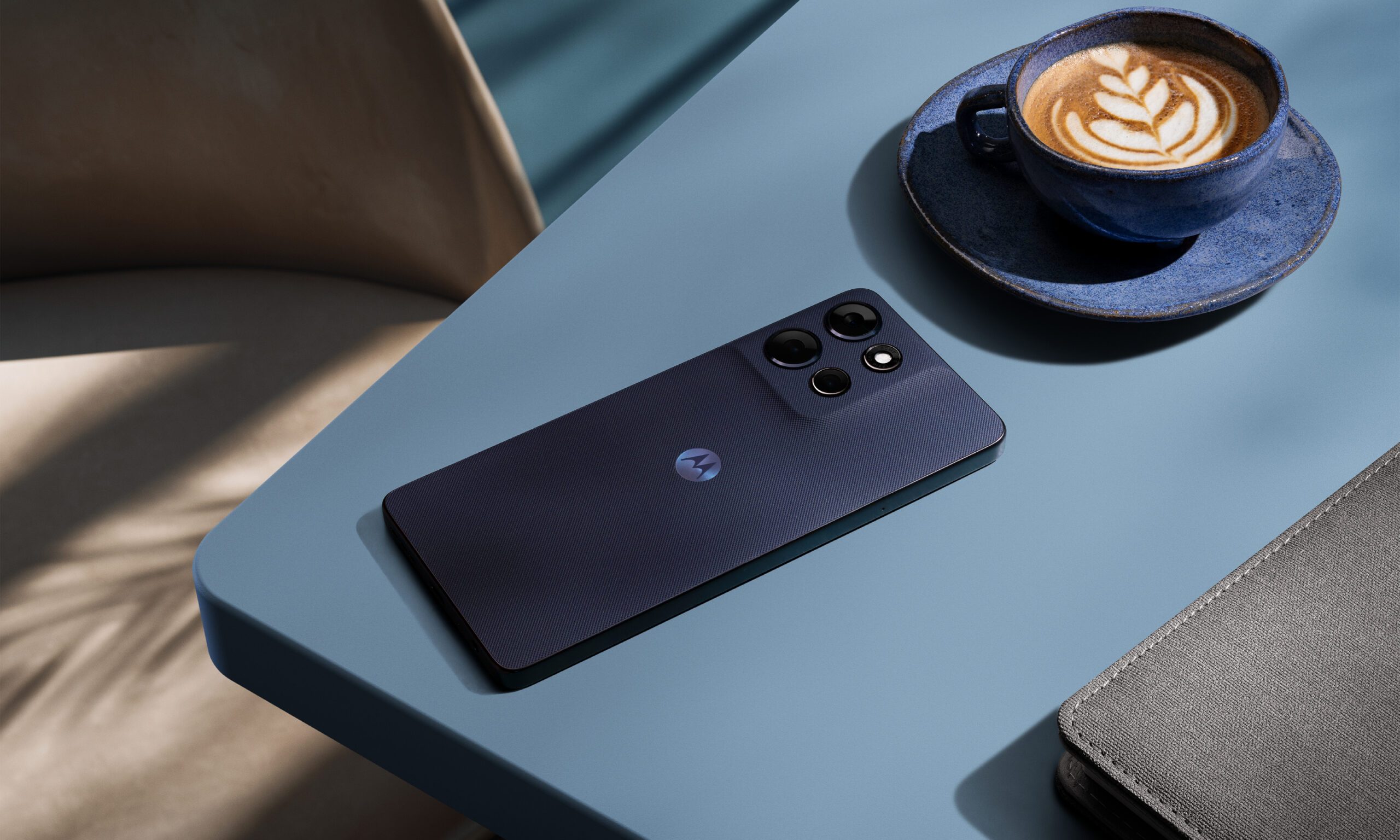
The Moto G (2026) launched at $199.99 with a 5,200mAh battery that posted some of the best screen-on time of any budget phone this year. That, despite its weaker Dimensity 6300 chip, two years of software support, and HD+ display, would’ve landed it a spot on this list. But Motorola bumped its price up to $299.99 in April, and at that price, it makes no sense, especially considering the Galaxy A17 offers better software support and a sharper display for $100 less.
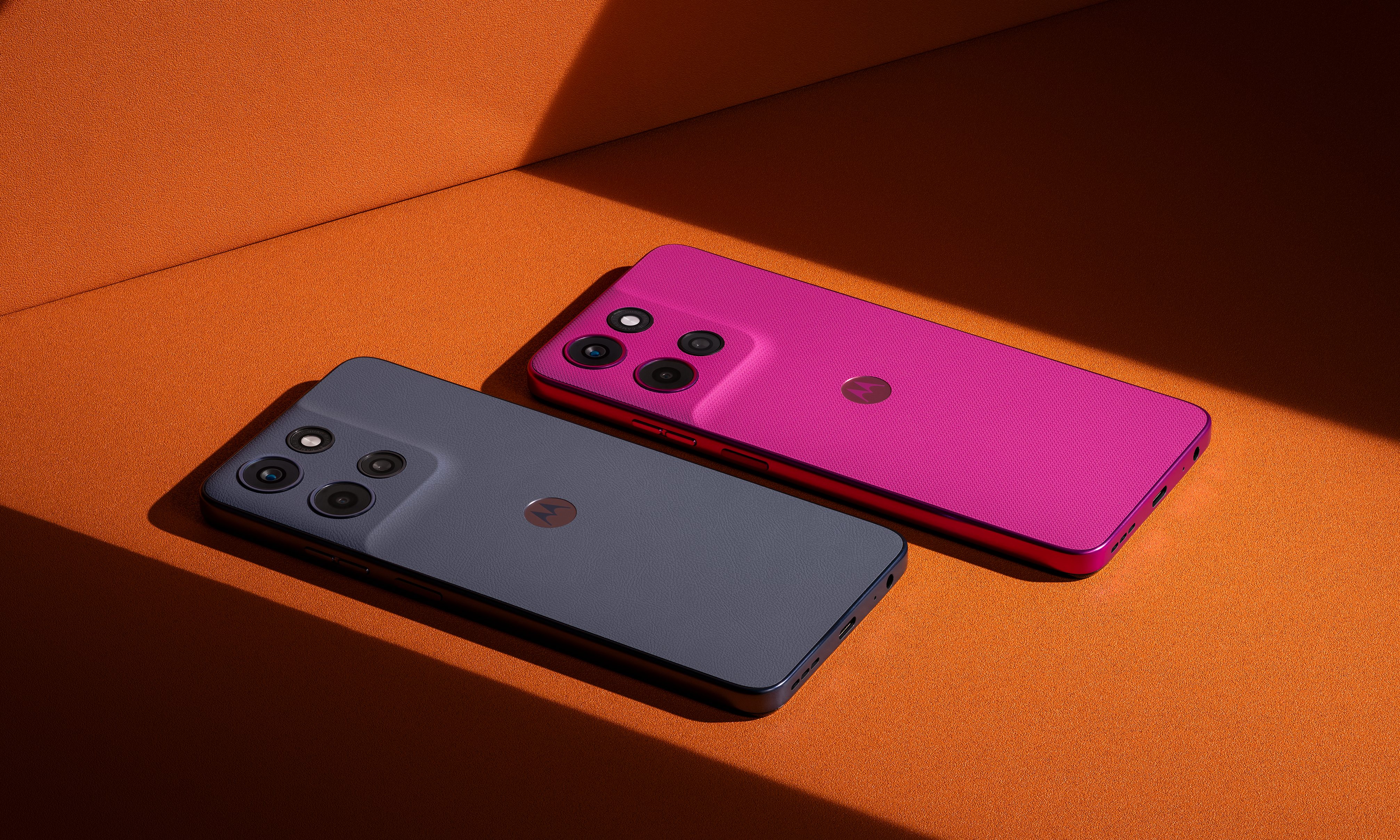
The Moto G Power (2026) had a stronger case despite its own aging chip and shallow two-year update promise, thanks to 8GB of RAM, a sharper display, and wireless charging support. It launched at $299.99, competitive enough to earn a spot. Then it jumped to $399.99 in the same round of hikes, making it twice the price of the A17 while offering only slightly more.
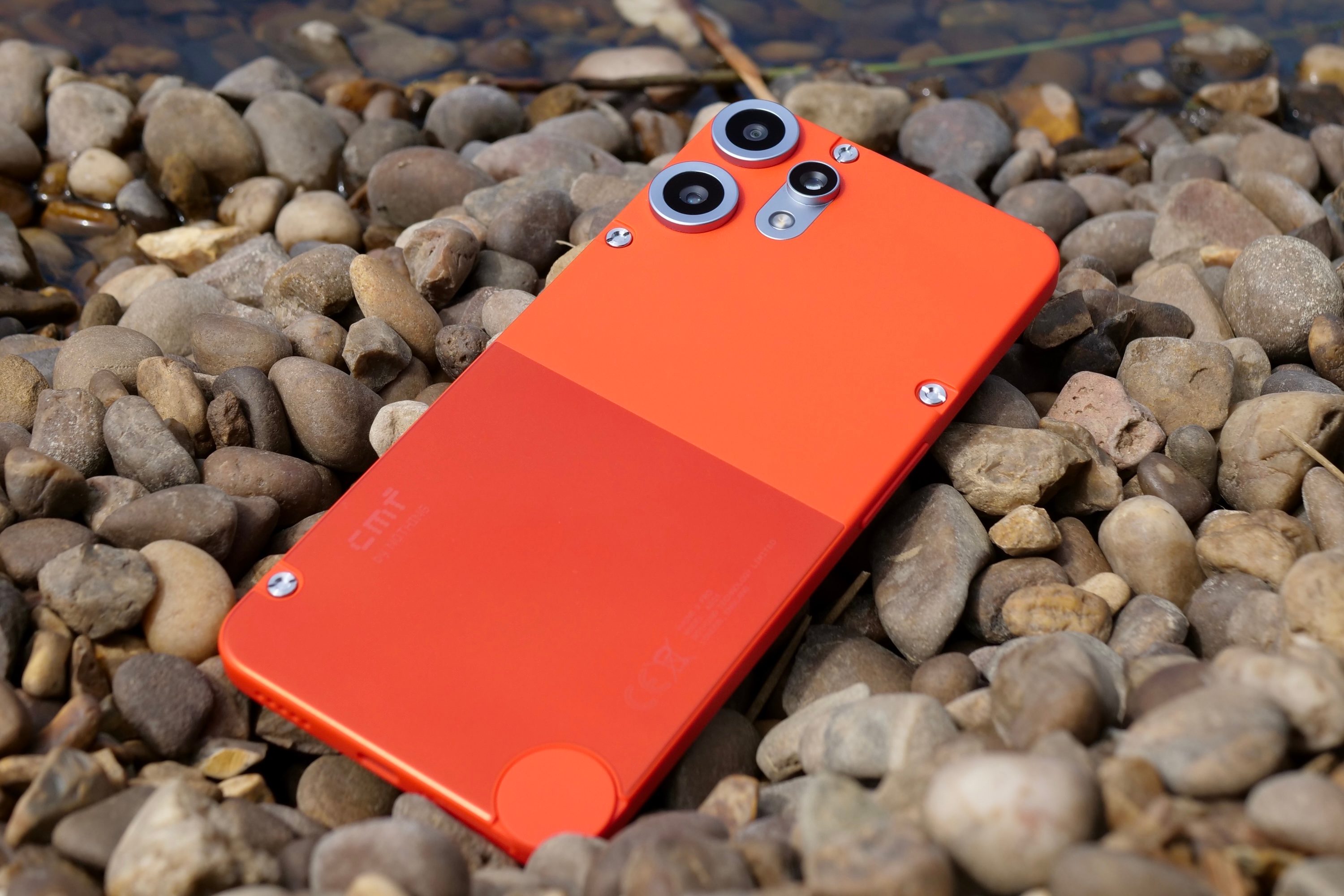
The CMF Phone 2 Pro at its introductory price of $279 would’ve been the wildcard pick, but it’s sold in the US only through a beta program with limited availability, no carrier certification, and a 14-day warranty. That’s too risky a buy for a student.
And OnePlus’ Nord lineup, despite years of solid value-for-money offerings, isn’t worth recommending for quite the obvious reason. The company recently confirmed that it’s exiting the US market, and while it has promised continued software updates and customer support, there’s no telling how long that promise will hold.
Price hikes took out two of these phones, limited availability took out a third, and a market exit took out a brand that could have offered the fourth, leaving the Galaxy A17 as the one clean pick and the NXTPAPER 70 Pro as the one with an asterisk. If you have some wiggle room in your budget and don’t want to settle for the Galaxy A17 or take a chance on the NXTPAPER 70 Pro, our picks of the best mid-range phones for this back-to-school season may have what you’re looking for.