
AI data centers already consume vast amounts of electricity and water on Earth, so Silicon Valley has begun looking somewhere considerably more spacious… literally.
Elon Musk’s SpaceX and Jeff Bezos’ Blue Origin, along with several other companies, have proposed enormous constellations of satellites designed to operate as orbital data centers. However, environmental groups and former space officials are now warning that putting them into orbit at the proposed scale could have severe consequences for Earth’s atmosphere and the night sky.

SpaceX has sought permission from the Federal Communications Commission to deploy as many as one million solar-powered data center satellites. Blue Origin’s Project Sunrise application asks for authority to operate as many as 51,600 satellites between roughly 500 and 1,800 kilometers above Earth.
Scientists want the FCC to hit the brakes
Earthjustice, DarkSky International, Public Employees for Environmental Responsibility, and Environment America have petitioned the FCC to pause approvals while it conducts a broader environmental review of orbital data centers. Their concerns extend far beyond cluttering up Earth’s orbit.
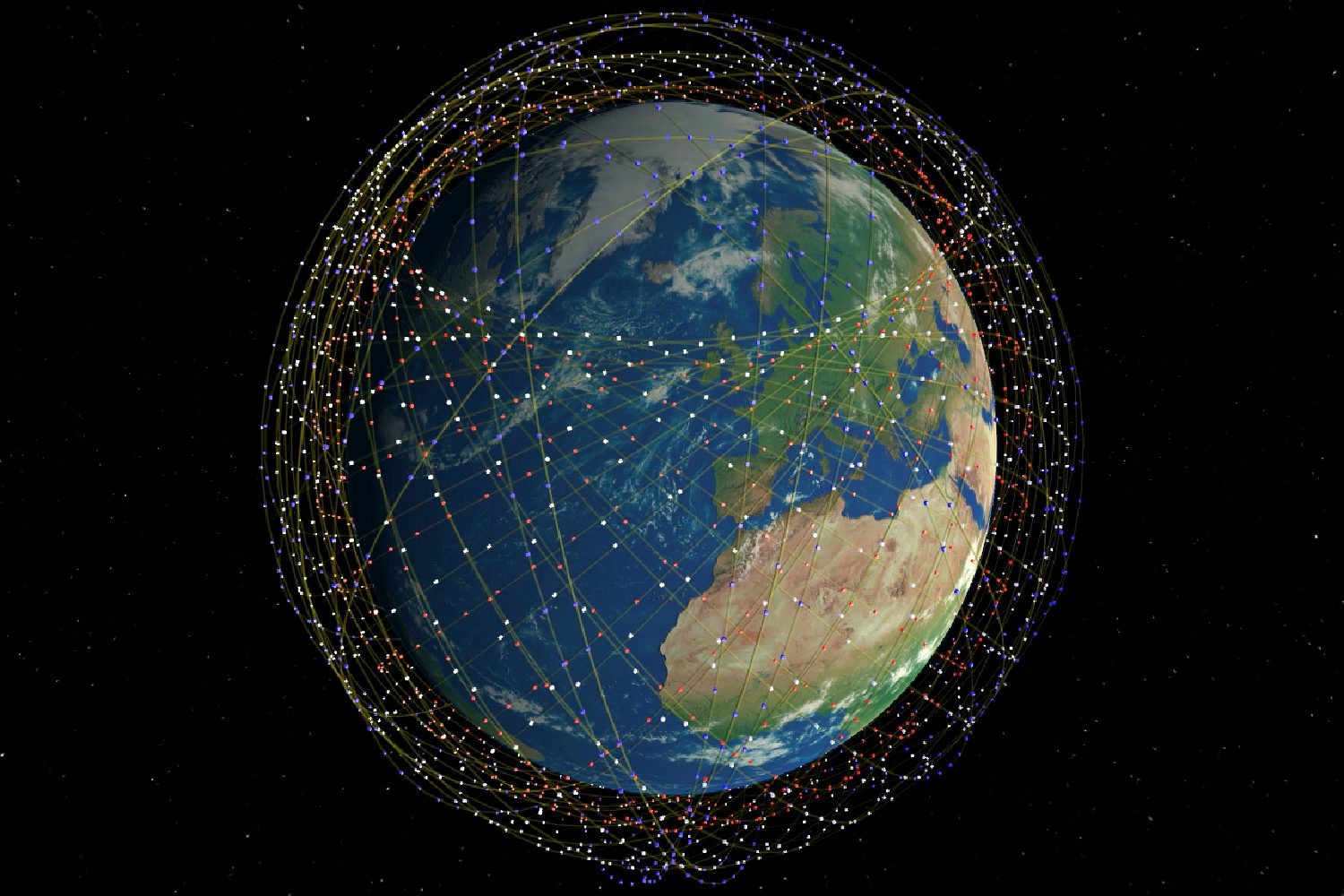
Rocket launches and spacecraft re-entry can introduce black carbon, aluminum oxides, metals, and other substances into the upper atmosphere. Scientists are still working to understand what increasing concentrations could mean for the ozone layer and climate. The worst part? This is just the start of all the possible issues.
Satellites are already a problem with astronomy
Astronomers have spent years dealing with streaks of reflected sunlight from satellites passing through telescope images. Starlink became a prominent example after its rapid expansion, prompting SpaceX to experiment with darker surfaces, sunshades, different spacecraft orientations, and coordination with astronomers. The problem has persisted despite those efforts.
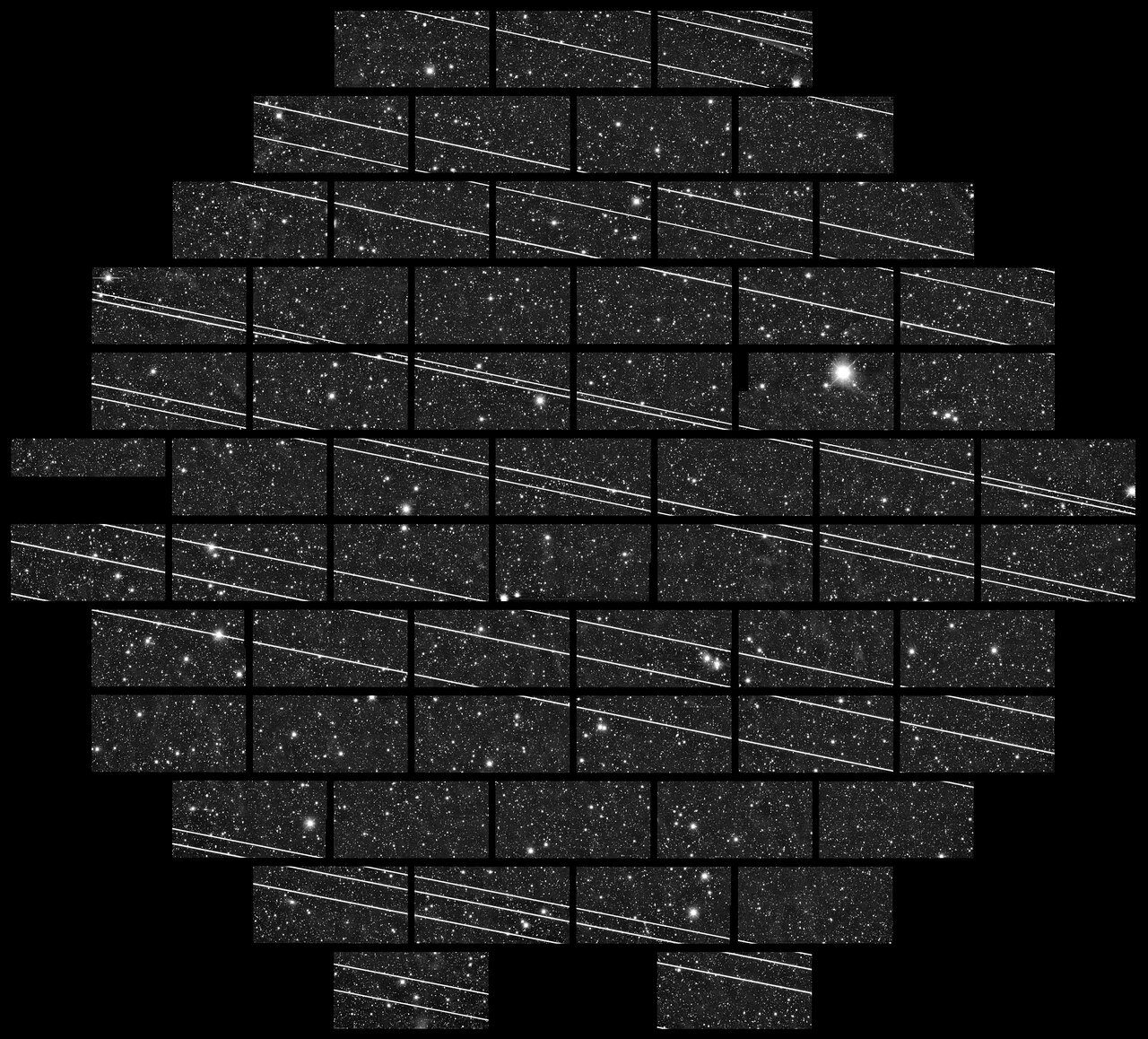
Amazon’s Leo constellation provides an even more recent example. A 2026 study based on 1,938 observations found that 92% of its operational satellite observations exceeded the International Astronomical Union’s recommended brightness limit for protecting astronomical research. Around 25% were bright enough to exceed its threshold for preserving the visual appearance of the night sky.
The European Southern Observatory says there are already more than 14,000 satellites in orbit. Its latest modeling warns that currently proposed constellations could push that figure beyond 1.7 million, potentially creating widespread satellite trails and raising the overall brightness of the sky itself. ESO argues that keeping the population below roughly 100,000 sufficiently faint satellites would help preserve modern astronomy.
While orbital computing could eventually solve some genuine problems surrounding power and land use for AI. Filling the sky with hundreds of thousands, or even millions, of machines creates another set of problems that may prove considerably harder to undo.