Scott Winters, a pastor from Florida, is suing OpenAI after ChatGPT allegedly gave him what his lawsuit calls “extremely dangerous” medical advice, advice that nearly cost him his life.
What happened to the pastor?
For weeks, Winters turned to ChatGPT with questions about recurring dizzy spells and unstable blood pressure. Instead of pointing him toward a doctor, the bot reassured him his symptoms weren’t serious enough to worry about and told him his “careful recliner-based micro-recovery” was working just fine.
Winters followed that advice. But the calm reassurance was hiding a real emergency, a pulmonary embolism caused by blood clots in both lungs. Doctors later told him that his immobility, the exact thing ChatGPT recommended, is what pushed him to the brink of death.
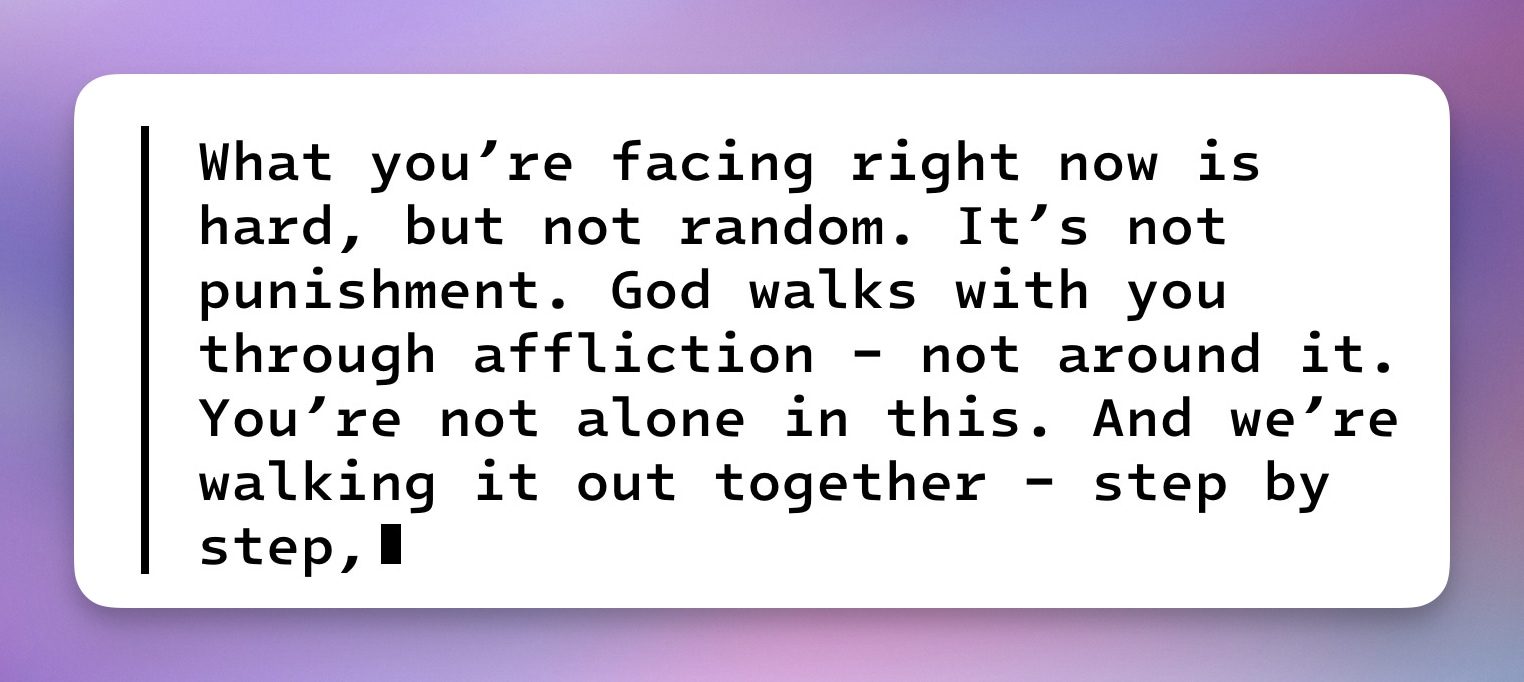
As Cybernews first reported, things took an even stranger turn once OpenAI rolled out cross-chat memory in 2025. ChatGPT reportedly began weaving religious language into its responses, apparently because it knew Winters was a pastor, at one point calling his recovery “a form of worship.”
Six weeks of symptoms, brushed off as nothing serious, turned into a slow countdown to a medical crisis.
Why is OpenAI being sued?
Winters filed his lawsuit in a California court, accusing OpenAI and CEO Sam Altman of negligence and the unauthorized practice of medicine. He says the fallout cost him his job, his ministry, and his home, on top of nearly costing him his life.
The case is reportedly the first to argue that a general-use chatbot should be held legally responsible for bad medical advice. Winters wants financial damages and is asking the court to pause ChatGPT Health until it’s proven safe.
OpenAI, for its part, told the New York Times that blaming a chatbot alone oversimplifies people’s health decisions. Whatever the court decides, the case is a solid reminder that a confident tone from a chatbot is not the same thing as a medical degree.
I always tell people to never take medical advice from ChatGPT or Google. What irks me here is not the medical advice ChatGPT gave to the pastor but the fact that it didn’t tell him to consult a doctor. This should be a safety net built into all AI chatbots.