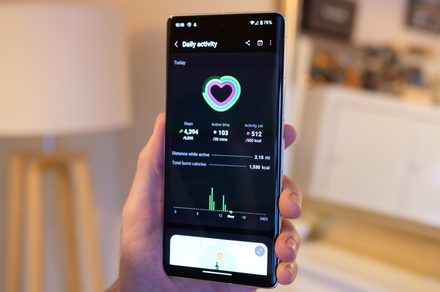
Samsung Health is getting smarter than ever before with its new AI assistant. The Samsung Health Assistant is now available in beta to eligible users in the United States. Built directly into Samsung Health, the conversational assistant can analyze information collected across the app and answer personalized questions about the user’s health and wellness.
Your health charts talk back now
Health Assistant draws from Samsung Health’s five core wellness areas: sleep, activity, nutrition, mindfulness, and vital signs. It can identify relationships between those areas, highlight patterns that may otherwise be difficult to spot, and explain how one part of a user’s routine may be influencing another.
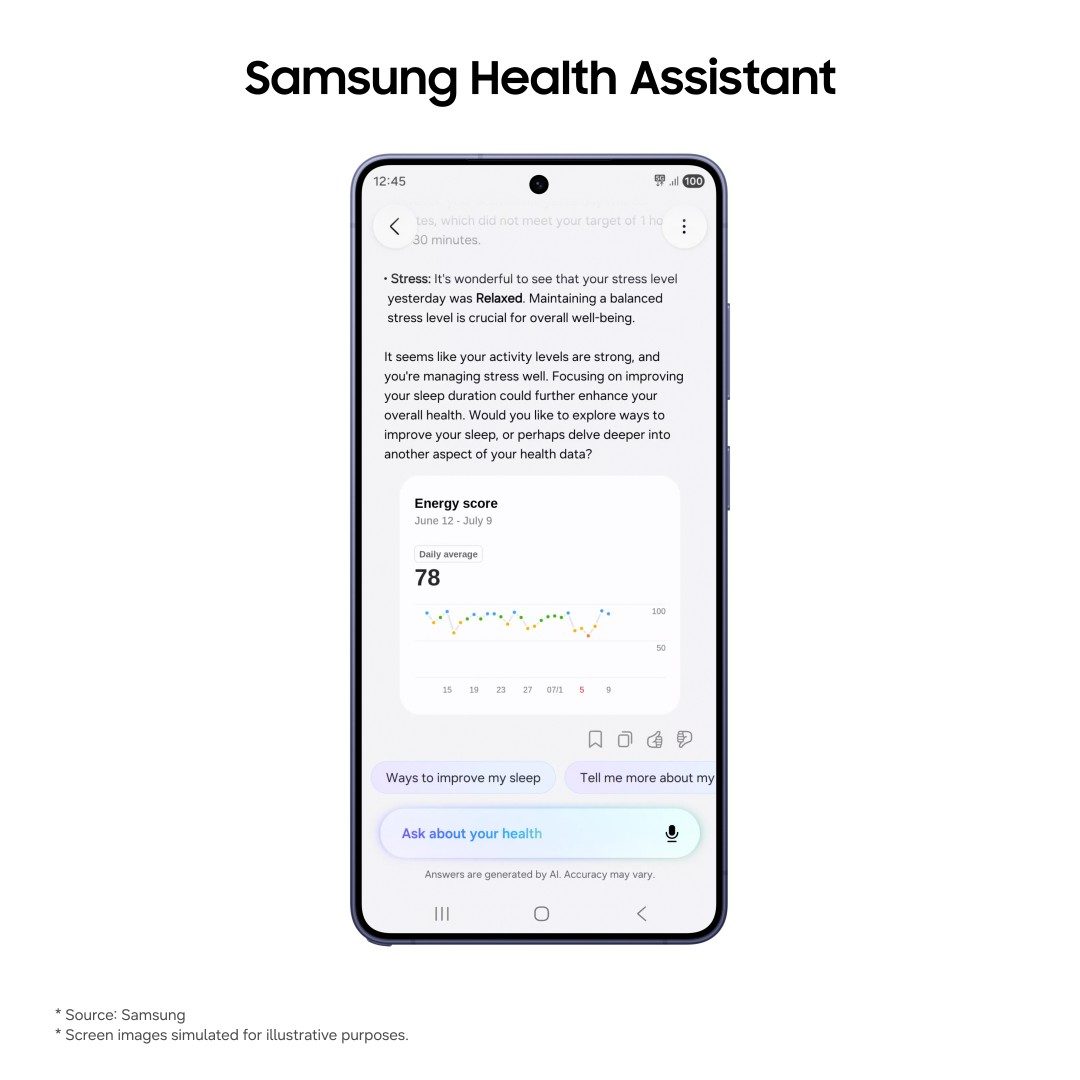
This means that it can sort through mountains of data generated by your Galaxy Watch or Galaxy Ring and present it to you in a manner that’s easier to understand. Rather than opening a separate screen for sleep, exercise, and other stuff, users can simply ask questions and receive guidance based on the combined picture. Samsung adds that its recommendations have been validated by physicians and certified health coaches.
Energy Score still requires activity, sleep, and overnight heart-rate data collected through a compatible Galaxy Watch or Galaxy Ring. The assistant itself can also incorporate information manually logged or stored inside Samsung Health, including nutrition and mindfulness data.
Future versions could become considerably more personal. Samsung plans to use its Personal Data Engine to account for details such as calendar events, routines, and even individual preferences. It is also exploring goal-based coaching and services such as weight management.
Samsung is joining an increasingly crowded AI health race
Samsung describes Health Assistant as the first “fully integrated” AI-powered personal health assistant. So it competes with other similar services like Google Health Coach, which combines Fitbit or Pixel Watch data with sleep, fitness, nutrition, and medical-record information. The system relies on Gemini to answer questions and build personalized plans, but access requires a $9.99 monthly Google Health Premium subscription.
Another great example is Oura Advisor, which uses biometric information and long-term trends collected by an Oura Ring to provide personalized answers about sleep, activity, readiness, and resilience. It requires an active Oura membership. However, Samsung has not announced whether Health Assistant will eventually require payment or revealed which Galaxy devices qualify for the current beta. It is also unclear if and when the featuer rolls out beyond the US.
The company has made it clear that the feature will not provide medical advice, diagnoses, or treatment recommendation. It is just here to make understanding health trends easier.