
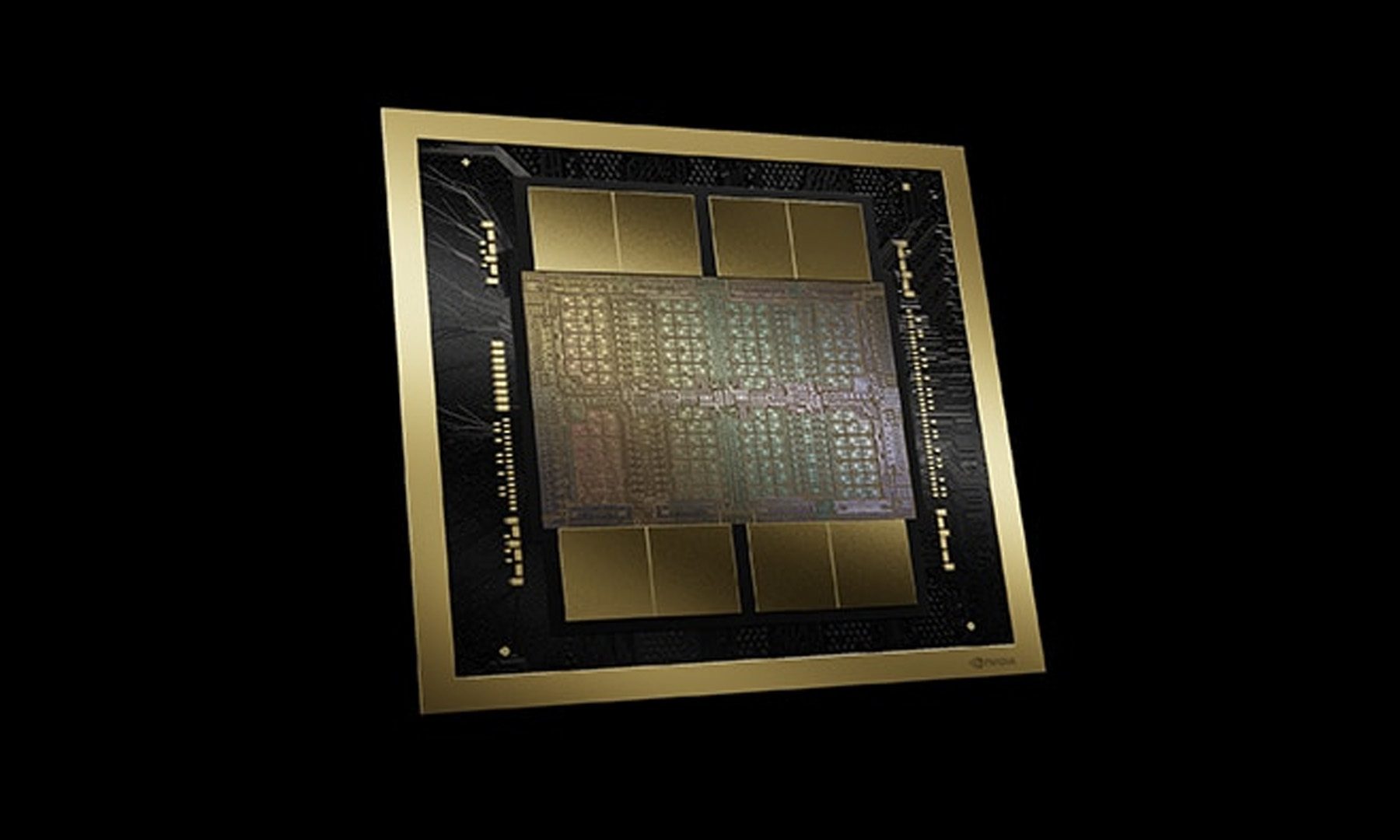
Apple’s next flagship chip may not just be another performance upgrade. Instead, it could be the company’s biggest AI leap yet. According to Bloomberg’s Mark Gurman, Apple is developing the M7 Ultra with one clear goal: dramatically boosting AI performance. Expected to arrive in 2028, the processor is reportedly being designed to handle workloads on a scale that brings it closer to dedicated AI accelerators like Nvidia’s Blackwell than traditional desktop processors.
A desktop chip with server-class memory
The biggest headline is memory. Bloomberg reports that the M7 Ultra is being designed to support up to 1.5TB of unified memory, which is roughly double the capacity currently planned for Apple’s upcoming M5 Ultra. That’s an eye-watering amount even by workstation standards, and far beyond what today’s consumer Macs offer. The idea is simple: larger AI models demand larger memory pools, and Apple wants its future silicon to handle them without constantly relying on external storage or cloud processing.
There is one catch, though. Bloomberg notes that whether Apple can actually ship Macs with the full 1.5TB configuration will depend on the state of the memory market. Ongoing memory-chip shortages continue to make high-capacity modules difficult to source and significantly more expensive, meaning the maximum configuration may ultimately depend as much on supply chains as on engineering.
Apple Intelligence isn’t the only target
The M7 Ultra isn’t just being built for future Macs, either. According to Bloomberg, Apple also plans to use the chip as the backbone of its next-generation AI servers. While an M5 Ultra-based server platform is expected to arrive first, engineers are already developing a more powerful M7 Ultra-powered architecture targeted for deployment around 2029, helping power Apple Intelligence both on-device and in the cloud.

More importantly, the M7 Ultra highlights a major shift in Apple’s silicon strategy. Instead of focusing solely on faster CPUs, better graphics, or improved battery life, Bloomberg says AI is now dictating how the company designs its chips. That’s reportedly why Apple accelerated the M7 family, with the Ultra model expected to deliver AI performance much closer to enterprise accelerators like Nvidia’s Blackwell.
In other words, Apple is no longer building chips that happen to support AI — it’s building chips around AI. If Bloomberg’s roadmap proves accurate, the M7 Ultra won’t just be another annual silicon refresh. It could mark the point at which Apple’s AI ambitions begin to compete with those of some of the biggest names in enterprise computing.