There are already plenty of mental-health chatbots online, but they all run into the same problem. The user still has to reach out first. That is not always easy when someone is stressed, anxious, overwhelmed, or simply unsure how to put their feelings into words.
Researchers at the University of Ottawa are working on a different kind of AI assistant. It is designed to read emotional cues in real time through signals from devices people already use, including smartwatches, smartphones, and earbuds.
It does more than wait for a message
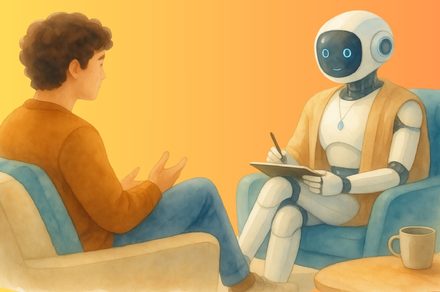
The system is called UbiMyTherapist, short for “You Be My Therapist.” It works as a digital therapy assistant that can provide both reactive and proactive support. In simple terms, it can respond when a user reaches out, but it is also designed to monitor emotional distress through live signals and offer support before the user asks for help.
The system pulls emotional data from several sources. It uses physiological signals such as heart rate variability, changes in speech tone, and written text to assess a user’s emotional state. Those inputs help the assistant understand how the person may be feeling in the moment before it generates a response.

UbiMyTherapist also builds a “digital twin” of the user. This profile brings together the person’s medical and psychological history, and live emotional-state data. The added context helps the assistant respond in a more personal and relevant way instead of relying on generic chatbot-style replies.
According to the University of Ottawa, the system’s reactive mode was evaluated with 24 participants. Licensed therapists also assessed its therapeutic soundness. The university says UbiMyTherapist scored well on empathy and personalization compared with standard large language model setups.
It is not meant to replace therapists
The researchers are not pitching UbiMyTherapist as a replacement for human therapy. It is being developed as a way to extend mental-health support beyond clinics, especially for people who face barriers such as cost, stigma, or limited access to care.
The team plans to improve the prototype so it can respond in real time using signals from a user’s smartwatch. It also plans to work with more licensed therapists to make sure the system stays clinically accurate. For now, UbiMyTherapist is still a research project, not a consumer app. Still, it offers a glimpse of AI being used for something practical and genuinely helpful.