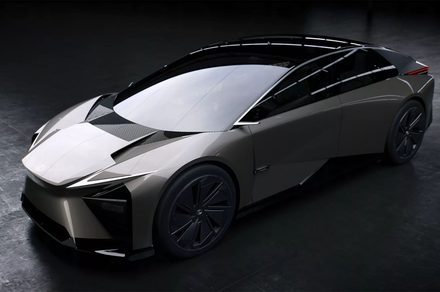
Toyota and Lexus may have just shelved one of the most exciting electric vehicle concepts shown in recent years. According to reports from Automotive News and Nikkei Asia, Toyota has halted development of the next-generation Lexus EV that was expected to be based on the futuristic LF-ZC concept.
For EV enthusiasts and Lexus fans, the news is particularly disappointing because the LF-ZC represented one of the clearest signs that Lexus was finally preparing to make a serious leap into the premium electric future.
One of Lexus’ most ambitious EV projects has reportedly been paused
The Lexus LF-ZC concept was first revealed in late 2023 as part of Toyota’s next-generation EV strategy. The sleek fastback sedan featured aggressive aerodynamic styling, an ultra-modern cabin, steer-by-wire technology, and promises of significantly improved battery efficiency and range.
Toyota had originally planned to launch a production version around 2026 as one of the brand’s most advanced EVs yet. The vehicle was also expected to introduce several next-generation manufacturing technologies, including giga-casting and advanced software-driven architecture.

Now, however, reports suggest the automaker has suspended development of the project while reassessing EV demand, production priorities, and broader market conditions. Toyota reportedly told suppliers that the LF-ZC-based EV program was being halted while the company reevaluates future plans. According to Automotive News, Toyota cited fluctuations in EV demand and the workload tied to vehicle planning and manufacturing as key reasons behind the decision.
The move comes during a complicated moment for the global EV industry. While electric vehicle adoption continues growing overall, several automakers have recently slowed or delayed EV expansion plans amid softer-than-expected demand growth in some markets, rising production costs, and uncertainty around charging infrastructure.
Why this matters
The cancellation or delay matters because the LF-ZC was not just another concept car. It represented Lexus’ attempt to redefine itself for the electric era.
Compared to Lexus’ current EV lineup, which has often been criticized for being conservative or late compared to rivals, the LF-ZC looked genuinely futuristic. It promised longer range, lighter construction, more efficient batteries, and software-focused features designed to compete directly against premium EV brands.

The decision also reinforces Toyota’s much more cautious approach toward full electrification compared to companies like Tesla, BYD, and even traditional rivals rapidly expanding EV lineups. Toyota has consistently argued that hybrids, plug-in hybrids, hydrogen, and EVs should coexist rather than pushing aggressively toward fully electric vehicles alone.
What happens next
Toyota has not officially killed the LF-ZC entirely, meaning the project could still return later in revised form. The company is still expected to continue developing next-generation EV technologies, including solid-state batteries and new software platforms for future Lexus vehicles.
But for now, one of the most visually striking and technologically ambitious Lexus EVs appears stuck in limbo. And honestly, that is frustrating. Because in a market increasingly crowded with similar-looking electric crossovers, the LF-ZC actually felt bold, futuristic, and different – exactly the kind of EV many enthusiasts hoped Lexus would finally build.