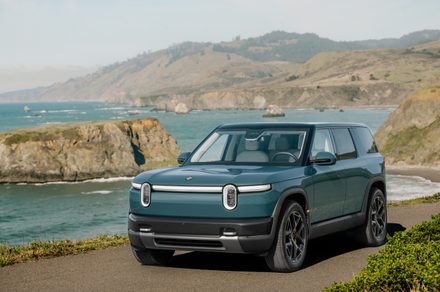
Rivian has once again defended its controversial decision to skip Apple CarPlay and Android Auto, but this time the company says the future of in-car technology is moving beyond smartphone mirroring altogether. According to Rivian’s software leadership, rapid advances in artificial intelligence could soon make the entire CarPlay debate irrelevant.
The comments come as Rivian continues expanding its own AI-powered vehicle software ecosystem instead of adopting Apple’s popular in-car platform. For years, the company has faced criticism from buyers who wanted CarPlay support, but Rivian now believes AI assistants will eventually replace many of the functions drivers currently rely on through their phones.
Rivian wants cars to become ‘AI-defined’ instead of app-driven
Speaking during an interview on The Verge’s Decoder podcast, Rivian Chief Software Officer Wassym Bensaid said advances in AI are changing how users will interact with vehicles. He argued that deep AI integration inside cars could make traditional app-based systems like Apple CarPlay feel outdated.
According to Bensaid, Rivian sees cars evolving from being “software-defined” to becoming “AI-defined.” Instead of opening individual apps for navigation, music, messaging, or scheduling, Rivian believes future AI assistants will handle those tasks through natural conversation and contextual understanding.

That vision is already starting to take shape through the company’s recently launched Rivian Assistant. The AI-powered voice system can manage vehicle controls, answer questions, access calendar information, send messages, and interact with connected services using natural language commands. Rivian says the assistant is deeply integrated into the vehicle rather than functioning as a separate app layer.
The company argues that systems like Apple CarPlay and Android Auto create a fragmented experience because they effectively place a smartphone interface inside the car. Rivian instead wants complete control over the vehicle’s software experience, allowing AI to interact directly with the car’s systems, sensors, navigation, climate controls, and future connected services.
The stance remains controversial. Apple CarPlay continues to be one of the most requested features among many EV buyers, and Rivian previously acknowledged that a large portion of its customer base initially wanted support for it. However, the company claims demand has fallen as its native software experience has improved.
Why this matters
The debate goes far beyond Rivian itself.
Several automakers are increasingly trying to control their software ecosystems rather than handing key parts of the user experience to Apple or Google. Companies see software, subscriptions, AI services, and connected features as future revenue streams, making in-house platforms more valuable than third-party integrations.

At the same time, AI is becoming a major battleground inside vehicles. Rivian’s approach mirrors broader industry trends where carmakers are investing heavily in voice assistants, autonomous features, and AI-powered interfaces that can understand context rather than simply execute commands.
What happens next
Rivian is expected to continue expanding its AI ecosystem, especially with upcoming vehicles like the Rivian R2 and future software updates.
Whether AI can truly replace the convenience and familiarity of Apple CarPlay remains unclear. Many drivers still prefer using the apps, navigation systems, and media services they already rely on every day.
But Rivian’s message is becoming increasingly clear: instead of bringing CarPlay to its vehicles, the company wants to build something it believes will eventually make CarPlay unnecessary. The bigger question is whether customers will agree.