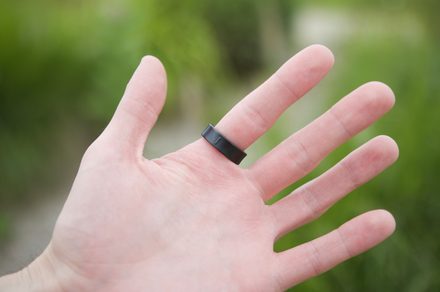
Samsung’s next smart ring may not show up as soon as expected. The Galaxy Ring 2 is expected to skip a 2026 release window, but rumors are pointing to notable upgrades that people actually care about.
According to a new report from ETNews, Samsung is now adjusting the Galaxy Ring 2 launch timing to early 2027 or later. While the wearable was previously expected to appear sometime in the second half of this year, possibly around a Galaxy Unpacked event, the timeline is now considered uncertain.
Why is Samsung delaying the Galaxy Ring 2?
The new report suggests that Samsung is rethinking the schedule after considering the pace of growth in the smart ring market, its flagship product launch calendar, and the marketing impact of releasing a second-gen ring. A person familiar with the matter told ETNews that the company might be eyeing an early 2027 reveal.
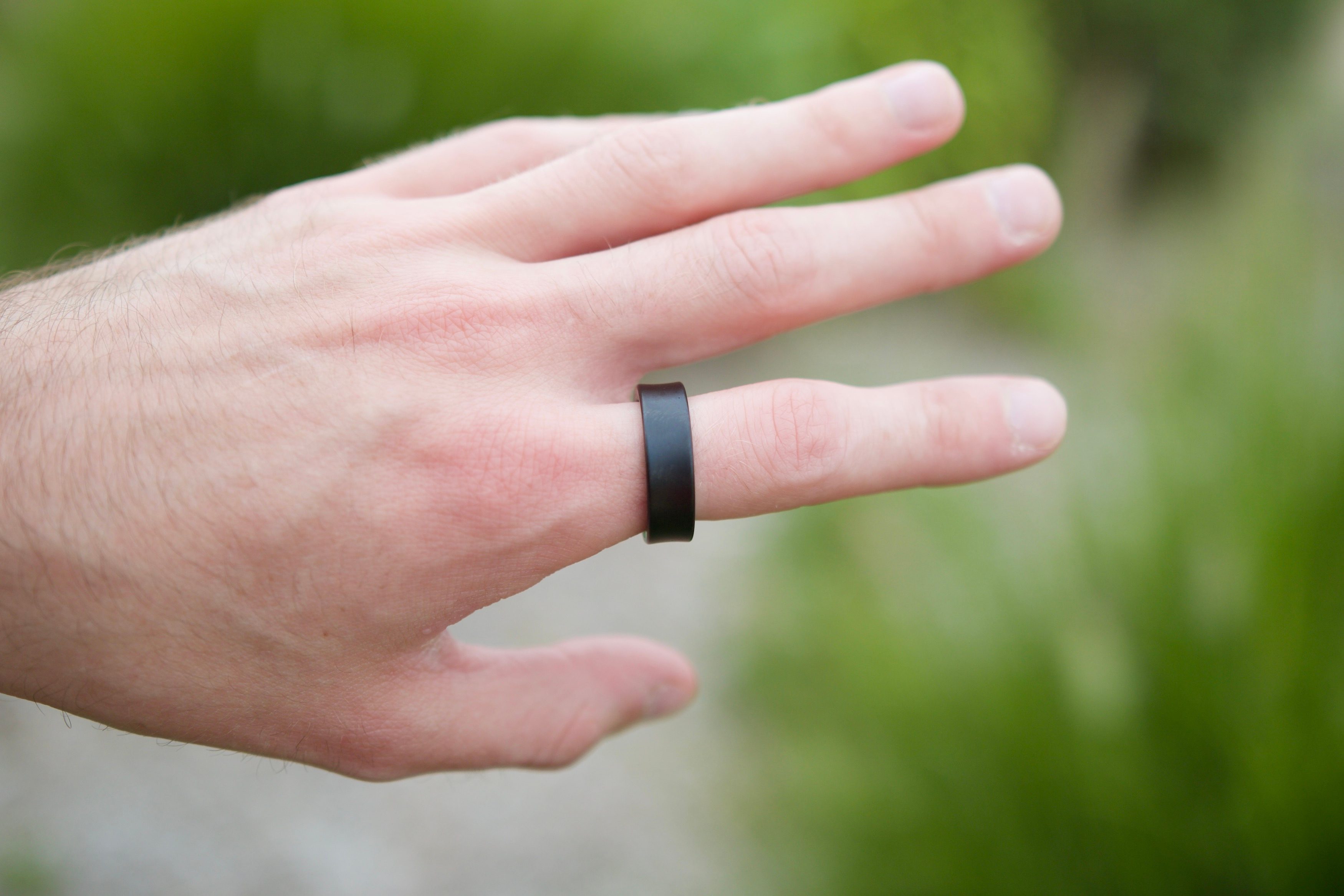
The first Galaxy Ring gave Samsung a foothold in a category still finding its mainstream audience. So a rushed sequel would risk landing as another minor refresh, which probably isn’t enough for a product that already faces questions around pricing and long-term usefulness.
How the next-gen Galaxy Ring is getting better
The Galaxy Ring 2 is reportedly being developed around three major improvements, namely battery life, comfort, and sensor accuracy. In other words, it is shaping up to be more than just a generational refresh. Those are exactly the kind of areas Samsung needed to improve on. The current Galaxy Ring offers up to seven days of battery life, while the next model is reportedly targeting around nine to 10 days. Samsung is also said to be optimizing the internal component layout to reduce thickness and weight, which should make the ring more comfortable for long-term wear.
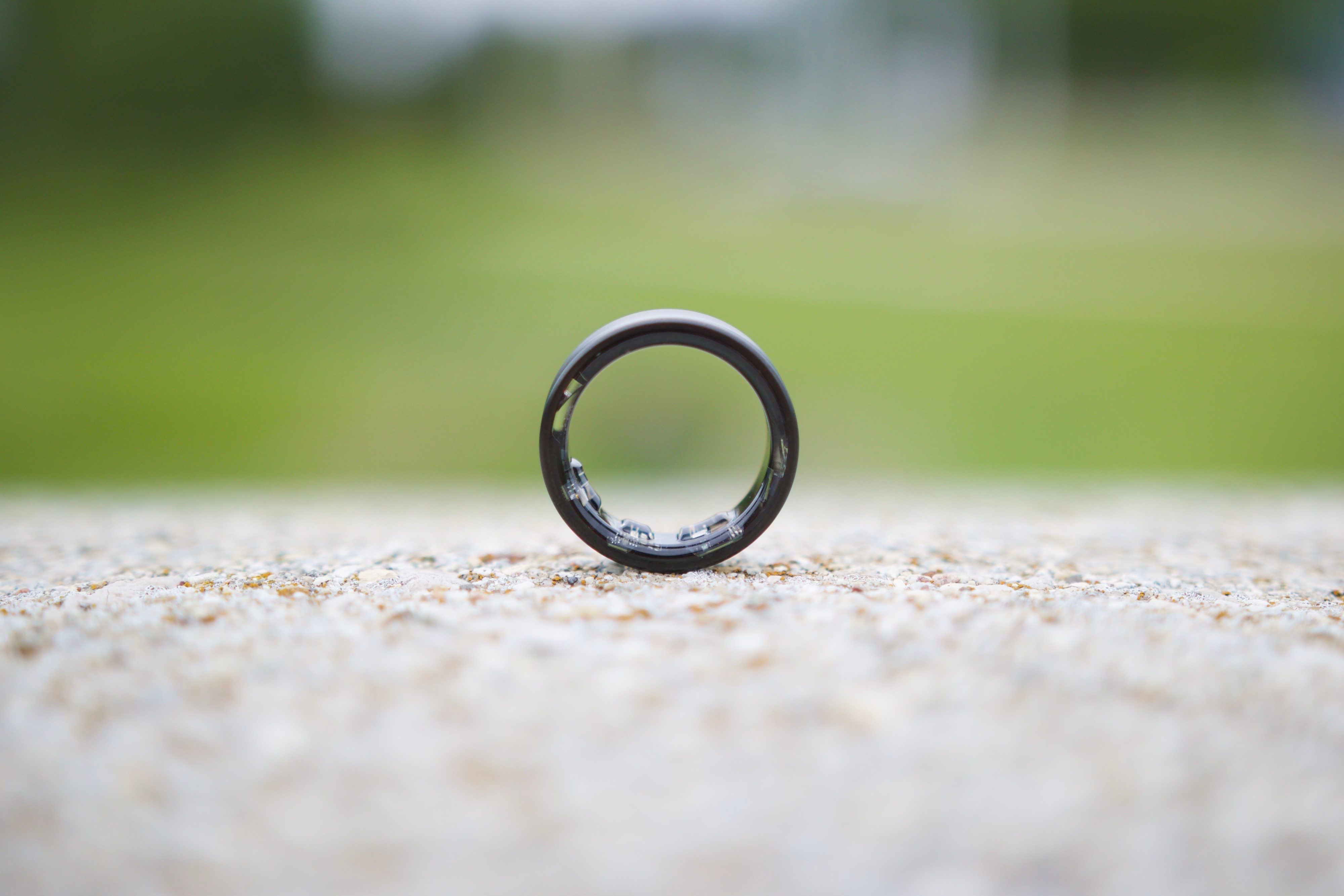
Health metrics are a key aspect of smart wearables, and Samsung is expected to make big improvements with the health features on the Galaxy Ring 2. Samsung is looking at upgraded temperature sensing, better sleep analysis accuracy, and expanded cardiovascular health insights. Non-invasive blood glucose monitoring is reportedly being discussed as a longer-term candidate, although it is unlikely to arrive soon due to accuracy, regulatory, and miniaturization challenges.
With the first Galaxy Ring, Samsung gave health-focused users a screen-free way to track sleep, heart rate, activity, and skin temperature. But it had various limitations. It is expensive, and the feature set did not stretch beyond health tracking. So a long-lasting, slimmer, and more accurate Galaxy Ring 2 with even more features looks like a sensible next step. And based on our older coverage, it could even benefit from magnetic charging with the next-gen Galaxy flagship phones.