If you’ve ever plugged in a controller to your Android phone, jumped into a game, and immediately fumbled a button because the layout felt off, you’re not alone. Android has supported a wide range of gamepads for years now, which is great for flexibility, but not always great for consistency. Muscle memory is a stubborn thing. With Android 17, Google is finally fixing this.
Finally, your thumb gets a say in the matter
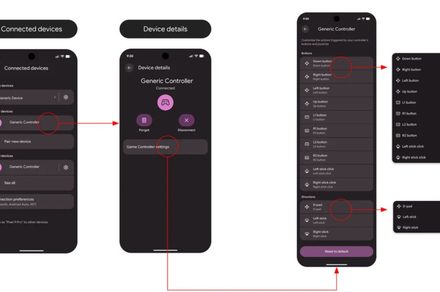
Android 17 introduces system-level controller remapping, and it’s exactly what it sounds like. It can now tweak your controller layout at the system level. That means your preferences stick, no matter what game you’re playing. Using the new Game Controller settings menu, you can reassign buttons, triggers, and even thumbsticks. So if pressing down on a thumbstick feels awkward (because it usually does), you can move that action to a face button that’s easier to reach. And the best part is that your settings are saved on the device.

This isn’t just about convenience; it’s also a big step forward for accessibility. Not everyone interacts with a controller the same way, and having the ability to remap inputs can make games far more comfortable, and in some cases, actually playable. It also solves the classic cross-platform confusion. Switching between consoles, PC, and mobile often means retraining your fingers to adapt to different layouts. With remapping, you can bring a sense of familiarity wherever you play.
Where to find it (and who gets it)
Before you rush to try it, there’s a small catch. This feature is currently available only in the Android 17 Beta, specifically Beta 2 and later. So you’ll need a supported device enrolled in the beta program to access it. Once you’re in, here’s how to find it:
- For wired controllers:
- Head to Settings > System > Game Controller, then select your connected device
- For Bluetooth controllers:
- Go to Settings > Connected devices, tap the menu next to your controller, and open Game Controller settings.

Inside, you’ll see two main sections. One for button inputs like face buttons and triggers, and another for directional controls like sticks and the D-pad. You can swap functions around however you like, whether it’s reassigning a jump button in a platformer or tweaking camera controls in a 3D game. Since this is still in beta, there are a few rough edges. For instance, the on-screen button icons (glyphs) might not always match your controller. Thankfully, the remapping itself still works as intended, even if the visuals are a bit confused. And of course, things could change before the final release.
This might not be the flashiest Android feature, but it’s one of those updates that makes a real difference the moment you use it. It removes friction, gives you control, and makes mobile gaming feel just a bit more polished. It’s definitely the kind of feature that makes you wonder why it wasn’t here all along.