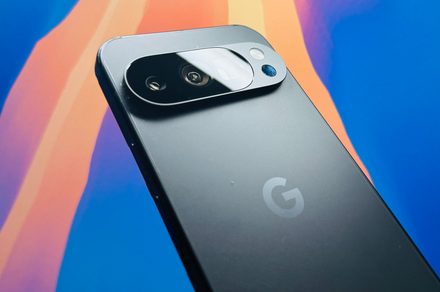
The Pixel 11 Pro XL is already coming into focus, and if you were hoping for a bold redesign, this leak sets a different tone. Early CAD renders obtained by Android Headlines show a device that sticks closely to Google’s current look, just stretched into a larger frame.
That approach feels deliberate. If you already like the Pixel design, this model leans into it instead of reworking it. The main shift is straightforward, it’s bigger.
You’re looking at a 6.8-inch display paired with the same horizontal camera bar across the back. The bar remains fully black in the renders, creating that familiar contrast against the rest of the body.
Same design, scaled with purpose
Very little changes across the exterior. The flat frame, centered punch hole, and overall layout match the rest of the Pixel 11 lineup.
What stands out is how Google positions this device. At 6.8 inches, it remains the largest Pixel, aimed at people who want more screen without moving to a foldable. The dimensions stay close to the previous model, with only slight refinements.
The rear camera bar continues to define the look. It now feels less like a feature and more like a signature that Google isn’t ready to move away from.
Inside changes carry the weight
The real updates are happening internally. The Pixel 11 Pro XL is expected to use the Tensor G6, continuing Google’s push with its own silicon.
Early details point to a revised core setup and a modem change, which should improve efficiency and connectivity. Exact performance gains are still unclear, so that remains something to watch.
Memory and storage may hold steady at 16GB and 256GB, though there’s a chance Google trims RAM slightly to manage rising costs. That kind of adjustment would help keep pricing in check without removing key features.
Battery capacity is expected around 5,500mAh, reinforcing this model’s focus on longevity alongside its larger display.
Timing and pricing to watch
Google is expected to launch the Pixel 11 Pro XL in August, keeping with its recent release pattern.
That timing places it between major competitors, arriving after new foldables and just before the next iPhone cycle. Buyers will have plenty to compare.
Pricing remains uncertain. Rising costs across components are putting pressure on Google’s usual strategy, so a small increase wouldn’t be surprising.
If you’re thinking about upgrading, waiting is the safer move. More concrete details on pricing and final specs should arrive closer to launch.