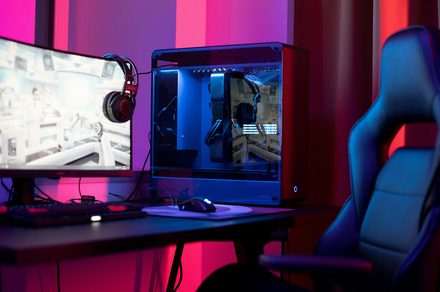
For most of gaming history, the deal between players and technology was refreshingly simple: save up, buy a machine, install a game, and that experience was yours for as long as the hardware kept breathing. Old consoles might collect dust, but they still booted up when nostalgia struck. A five-year-old gaming PC might wheeze at the latest AAA release, but it could still run older favorites just fine. Ownership wasn’t just a technical detail, but was part of gaming culture itself, whether that meant shelves stacked with discs or a lovingly assembled PC rig with mismatched RGB fans and a side panel that had been opened far too many times.

Unfortunately, that long-standing contract is quietly changing. Across the industry, hardware is increasingly being offered as a service rather than a product. Gaming laptops can now be rented through subscription programs, consoles are available on lease-style payment plans, and cloud gaming services promise high-end performance without requiring a powerful PC at home. The pitch is appealingly simple: skip the painful upfront cost and just pay a manageable monthly fee. But the catch is equally simple: when the subscription ends, the hardware goes back, the service stops working, and sometimes even access to the games disappears. What used to be something gamers owned is slowly becoming something they merely access.
The shift isn’t happening randomly either. Gaming hardware has become dramatically more expensive in recent years, largely because the same advanced chips used in gaming PCs are now in massive demand from AI companies and data centers. According to a 2026 outlook from Deloitte, spending on compute and storage hardware for AI deployments surged by 166 percent year-over-year in 2025, reaching roughly $82 billion. Those same fabrication plants produce the GPUs, memory, and processors that power gaming machines, meaning consumer hardware is now competing directly with enterprise AI infrastructure for supply. The result is predictable: prices stay high, availability tight, and suddenly the idea of renting a powerful gaming machine starts to look a lot more tempting. Especially for players who can’t justify dropping $1,500 or more on a PC just to play the latest releases.
Hardware as a subscription
Major hardware companies have begun experimenting with what’s often called Hardware-as-a-Service. Instead of selling a device outright, companies rent it to users through monthly subscriptions that include support, upgrades, and maintenance.

HP, for example, recently launched the OMEN Gaming Subscription program. For a monthly fee ranging roughly from $50 to $130, depending on the tier, subscribers receive a gaming laptop along with technical support and the option to upgrade to newer hardware after about a year. The catch is straightforward: once the subscription ends, the device must be returned. Sony has explored a similar approach through its Sony Flex program in the UK. Through this service, players can lease a PlayStation 5 console, including newer variants, by paying monthly installments over a 12, 24, or 36-month period. While the total cost across several years may approach the price of buying the console outright, the key difference remains that the user does not retain the hardware at the end of the contract.
This hardware shift is closely tied to the growing rise of cloud gaming, too. Services like NVIDIA GeForce Now and Xbox Cloud Gaming aim to remove the need for local gaming hardware entirely by streaming games from powerful remote servers. In fact, market research firms expect the cloud gaming sector to grow rapidly, with projections suggesting a compound annual growth rate of over 40 percent through 2030. In other words, gaming companies are increasingly exploring models where the device in your living room matters less, or might eventually disappear entirely.
When access replaces ownership
From a business perspective, subscription ecosystems make perfect sense. Instead of relying on occasional hardware sales every few years, companies generate predictable recurring revenue. This strategy mirrors the broader shift seen across the tech industry, where music, movies, and software have largely moved from physical ownership to subscription access.

Industry leaders have acknowledged this transition. Microsoft CEO Satya Nadella has described Xbox Game Pass as central to the company’s vision of delivering gaming experiences across multiple devices through subscription services rather than relying solely on console ownership. NVIDIA CEO Jensen Huang has also emphasized the growing role of cloud computing, suggesting that powerful data centers can eventually deliver high-end gaming experiences remotely without requiring expensive GPUs in every home.
For players, however, the long-term implications are more complicated. Renting hardware may lower the barrier to entry, but it can also increase long-term costs. A gamer paying $100 per month for a high-end laptop over two years would spend $2,400. Yet, at the end of that period, there is no hardware to sell, reuse, or upgrade. The machine simply goes back to the manufacturer.
There are also cultural implications, particularly for PC gaming enthusiasts. PC gaming has historically been built around customization and experimentation. Players upgrade GPUs, tweak cooling systems, replace memory modules, and modify their systems over time. Rental hardware, by contrast, often arrives sealed, and opening the device for upgrades or maintenance can violate service agreements. In that sense, a rental-first ecosystem could gradually push aside the tinkering culture that helped define PC gaming for decades.
Beyond financial and cultural concerns, the shift toward rental hardware and subscription ecosystems also raises questions about preserving gaming history. When games exist on physical media or are installed locally, they can survive long after the companies behind them disappear. On the other hand, subscription-based services change that dynamic by tying access to active servers and ongoing licensing. In fact, the video game preservation community has warned that this creates a growing risk for the medium’s long-term survival.

Frank Cifaldi, co-director of the Video Game History Foundation, has described modern games as increasingly being treated as licensed services rather than permanent products that players actually own. Further, legal experts such as Dr. David C. Mowery have also noted that strict digital rights management and game-as-a-service models make it harder for archives and researchers to preserve titles for future generations, since both the hardware and the games themselves may only exist within controlled subscription platforms.
A hybrid future for gaming
Don’t get me wrong, none of this means rental-based gaming is inherently bad. In fact, it could make gaming far more accessible for players who cannot afford expensive hardware. Subscription access lowers the entry barrier and allows more people to experience high-end games without major upfront investments.

Ideally, the future lands somewhere in the middle with a hybrid model. Subscriptions, cloud services, and rental hardware could continue lowering the barrier for casual players who want easy access to games without spending heavily on hardware. At the same time, the enthusiasts, the builders, collectors, and modders would still have the option to buy and own their machines outright. Gaming has always supported multiple ways to play, from smartphones to high-end PCs, so it would be great if the industry evolved to allow both access and ownership to coexist comfortably.
Still, the rise of rental hardware signals a significant philosophical shift for the industry. For the first time, gaming platforms are increasingly being treated less like products and more like ongoing services. If that model continues to expand, the future of gaming might not revolve around the machines players own, but the subscriptions they maintain. And for a hobby built on personal rigs, physical collections, and the joy of tinkering, that’s a change that can feel both exciting and a little unsettling.